
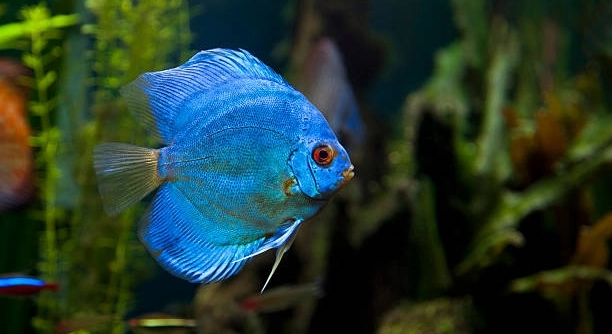
Low oxygen levels in aquarium water can seriously affect the health of discus fish. These vibrant and delicate creatures need stable and well-oxygenated environments to thrive and stay healthy. Understanding how low oxygen impacts them is important for any discus keeper.
Low oxygen levels in discus tanks cause stress, weaken their immune system, reduce appetite, and impair growth. It can lead to slower metabolism, increased susceptibility to disease, and even death if not corrected promptly. Proper oxygenation is essential for their survival.
Knowing the effects of oxygen deprivation will help you maintain a healthier tank environment and keep your discus happy and thriving.
Signs of Stress in Discus Due to Low Oxygen
Discus fish show clear signs when oxygen levels drop. They may swim near the surface more often, gasping for air. Their colors can become dull, and their movements slow down. Sometimes, they hide more or become less active. These behaviors mean the fish are struggling to get enough oxygen. If the problem continues, discus can become very weak and sick. It’s important to notice these signs early to avoid long-term damage. Watching your discus daily helps catch problems before they get worse. Adjusting aeration or water flow can often bring quick relief.
Stress caused by low oxygen reduces discus vitality and can cause severe health issues over time.
Observing your discus carefully is the first step to spotting oxygen problems. When discus stay near the water surface or act listless, it is a strong indication of oxygen stress. This makes their immune systems weaker, leaving them vulnerable to infections. Regular water testing can confirm oxygen levels, and adding air stones or increasing water movement often improves the condition. Also, overcrowding or excess waste can lower oxygen, so maintaining a clean, well-managed tank supports healthy oxygen levels and reduces stress on your discus.
Impact on Growth and Appetite
Low oxygen slows down discus growth.
Discus fish need enough oxygen to digest food and grow properly. When oxygen is low, their metabolism slows, causing them to eat less and grow more slowly. Over time, poor growth weakens their bodies and leaves them open to disease. Juvenile discus are especially sensitive because they require more oxygen to develop. Poor oxygen levels can stunt their development and reduce lifespan. Feeding may become difficult if the fish lose interest in food. Keeping oxygen levels stable helps discus eat well and stay strong. Regular monitoring and tank maintenance can prevent these issues and promote healthy growth.
Effects on Immune System
Low oxygen weakens discus immune defenses.
When discus experience oxygen shortages, their immune systems become less effective at fighting off infections. This makes them more vulnerable to common diseases like fin rot or bacterial infections. The fish’s natural ability to heal and resist illness slows down, increasing the risk of outbreaks in the tank. A healthy immune system depends on steady oxygen supply, so consistent water quality and oxygenation are crucial for preventing illness. Ignoring oxygen problems can lead to repeated sickness and expensive treatments.
Low oxygen stress also makes discus less able to recover from illness or injury. This can turn minor health issues into serious problems quickly, causing suffering and sometimes death.
Behavioral Changes Caused by Low Oxygen
Discus become restless and erratic when oxygen is low.
Low oxygen causes behavioral shifts in discus, such as increased gasping at the water surface and unusual swimming patterns. They may dart quickly or appear lethargic and unresponsive. These changes are signs of discomfort and distress. Discus depend on calm, stable water conditions to feel secure, and oxygen depletion disrupts their normal behavior. These symptoms usually appear before physical health declines, offering a chance to intervene early.
Such behavioral changes reduce discus enjoyment of their environment and can stress other tank inhabitants. Monitoring behavior is a key way to detect oxygen issues before they worsen. Early action can restore balance and protect discus well-being.
Reduced Reproductive Success
Low oxygen lowers discus breeding success.
Discus fish need good oxygen levels to reproduce well. Poor oxygen makes them less likely to spawn or care for their eggs properly.
Increased Susceptibility to Disease
When oxygen is low, discus become prone to infections. Weak immune responses let bacteria and parasites take hold more easily. Maintaining proper oxygen levels is key to preventing disease outbreaks.
Slow Healing and Recovery
Discus recover slower from injuries or illness under low oxygen conditions. The body’s repair processes need oxygen to function well, so a lack of it delays healing and increases risk of complications.
Effects on Metabolism
Low oxygen slows discus metabolism, reducing energy for daily activities and overall health.
What causes low oxygen levels in a discus tank?
Low oxygen in a discus tank is usually caused by poor water circulation, overstocking, and excess waste buildup. When water doesn’t move enough, oxygen cannot dissolve properly. Overcrowding increases oxygen demand, and leftover food or fish waste consumes oxygen as it decomposes. High water temperatures also reduce oxygen availability. Proper filtration, regular cleaning, and avoiding overfeeding help keep oxygen levels balanced.
How can I tell if my discus are suffering from low oxygen?
Discus struggling with low oxygen often swim near the surface, gasping for air. They may show dull colors, reduced activity, and less appetite. Sometimes they hide more than usual. These signs mean they are not getting enough oxygen. Testing oxygen levels with a reliable meter or using kits can confirm the problem.
Is low oxygen dangerous for discus fish?
Yes, low oxygen is very harmful. It causes stress, weakens their immune system, slows growth, and can lead to death if not fixed quickly. Chronic oxygen deprivation leaves discus vulnerable to infections and poor health. Immediate action is necessary to protect their wellbeing.
What can I do to increase oxygen levels in my discus tank?
Improving aeration with air stones or surface agitation helps oxygen dissolve in water. Increasing water flow through filters also boosts oxygen circulation. Avoid overcrowding and remove excess waste regularly. Lowering the water temperature slightly can increase oxygen solubility. These steps create a healthier environment for discus.
Can plants help with oxygen levels in discus tanks?
Yes, live plants produce oxygen during the day through photosynthesis, which benefits discus. However, plants consume oxygen at night, so balance is key. Too many plants or poor circulation can reduce oxygen levels after dark. A mix of plants and good aeration keeps oxygen stable.
How often should I test oxygen levels in my discus tank?
Regular testing, at least once a week, is recommended to ensure oxygen stays within safe limits. More frequent testing is needed if you notice any signs of distress or if tank conditions change. Consistent monitoring helps catch problems early.
Are there specific oxygen level targets for discus tanks?
Ideal dissolved oxygen levels for discus range between 6 to 8 mg/L. Levels below 5 mg/L are risky and can cause health issues. Maintaining oxygen within this range supports optimal discus health and activity.
Can sudden changes in oxygen levels harm discus fish?
Yes, sudden drops in oxygen can shock discus and cause severe stress or even death. Gradual changes in water conditions are safer. When adjusting aeration or introducing new fish, monitor oxygen carefully to avoid rapid fluctuations.
Is it normal for discus to gasp at the surface sometimes?
Occasional surface breathing might happen during feeding or heavy activity, but frequent gasping usually signals low oxygen. Persistent surface breathing requires checking water quality and oxygen levels.
Do discus need more oxygen than other fish?
Discus are more sensitive to oxygen changes because of their delicate physiology. They need stable and high oxygen levels compared to many hardier fish species. Careful management is essential to meet their needs.
How does temperature affect oxygen levels in discus tanks?
Higher temperatures reduce oxygen solubility, making less oxygen available to discus. Warm water also increases their metabolism, raising oxygen demand. Keeping water cooler within their comfort range helps maintain better oxygen balance.
Can oxygen supplements be harmful to discus fish?
Using oxygen supplements like pure oxygen injections is usually safe if done correctly. However, over-oxygenation or sudden changes can stress fish. It’s best to use natural aeration methods unless advised by an expert.
What role does tank size play in oxygen levels for discus?
Larger tanks tend to have more stable oxygen levels due to better surface area and water volume. Small, crowded tanks can quickly run low on oxygen if not well aerated or filtered. Choosing an appropriately sized tank supports oxygen stability.
How does filtration impact oxygen levels?
Good filtration promotes water movement and surface agitation, increasing oxygen absorption. Filters that clog or run slowly reduce oxygen exchange and can harm discus health. Regular filter maintenance is crucial.
Can poor diet affect how discus respond to low oxygen?
A balanced diet supports discus health and immune function, helping them tolerate mild oxygen stress better. Poor nutrition weakens them, making low oxygen effects worse. Feeding quality food in proper amounts is important for resilience.
Are there any signs of permanent damage from long-term low oxygen exposure?
Chronic oxygen deprivation can cause lasting damage such as stunted growth, weakened immunity, and organ stress. Some damage may be irreversible, so preventing long-term low oxygen is vital for discus longevity.
Can I use oxygen tablets or drops to increase oxygen?
Oxygen tablets or drops are not effective for continuous oxygenation. They may temporarily boost oxygen but do not replace proper aeration and filtration. Relying on these can mask underlying problems.
What happens if I suddenly increase aeration in a discus tank?
Sudden strong aeration can stress discus used to calm waters. It may cause erratic swimming or hide behavior. Gradual changes to aeration are better to allow adjustment.
How important is water movement for oxygen levels?
Water movement is key to oxygen exchange at the surface. Still water reduces oxygen transfer and causes depletion. Proper circulation ensures fresh oxygen reaches all tank areas.
What are common mistakes that lower oxygen in discus tanks?
Common mistakes include overcrowding, overfeeding, poor cleaning, inadequate filtration, and ignoring temperature control. These create low oxygen environments that harm discus. Avoiding these keeps your tank healthier.
Can low oxygen affect discus color?
Yes, oxygen stress often causes discus to lose their vibrant colors. Dull, faded appearance signals poor health and oxygen deficiency. Restoring oxygen usually improves color.
How long can discus survive in low oxygen?
Discus can survive only a short time—hours to a day—under very low oxygen before serious damage occurs. Immediate correction is critical for survival.
Is it necessary to quarantine new discus to monitor oxygen needs?
Quarantining new discus helps observe their oxygen tolerance and overall health before adding them to the main tank. It reduces risk of spreading disease and stress.
How does carbon dioxide buildup affect oxygen?
High carbon dioxide lowers oxygen levels and can cause acidity changes harmful to discus. Proper ventilation and plant balance reduce CO2 buildup.
Are oxygen levels affected by water hardness or pH?
Water hardness and pH don’t directly affect oxygen solubility much but influence discus health and stress levels, indirectly impacting oxygen needs. Stable water parameters support better oxygen balance.
Can low oxygen cause discus to refuse food?
Yes, oxygen deficiency lowers appetite. Discus may stop eating when stressed by poor oxygen, worsening health quickly.
What equipment helps maintain good oxygen levels?
Air pumps, air stones, powerheads, and well-maintained filters all help keep oxygen stable. Regular monitoring ensures equipment works properly.
How can I improve oxygen overnight when plants consume oxygen?
Using timers for aeration or adding low-flow air stones at night helps maintain oxygen when plants consume it. Good tank balance prevents oxygen dips after dark.
Are there natural indicators of oxygen levels in the tank?
Fish behavior is the best natural indicator—restlessness, gasping, or lethargy often signal low oxygen. Some hobbyists use snails or shrimp activity as additional clues.
Can lighting affect oxygen levels?
Lighting influences plant photosynthesis, which affects oxygen production during the day. Too much light can cause algae growth that later lowers oxygen at night. Balance lighting carefully.
How often should I clean my discus tank to maintain oxygen?
Regular weekly partial water changes and substrate cleaning prevent waste buildup, improving oxygen levels. Avoid full cleanings that stress fish.
Is low oxygen a common cause of discus death?
Low oxygen is a frequent but sometimes overlooked cause of discus mortality. Preventing it greatly increases chances for healthy fish.
Can stress from other factors worsen oxygen effects?
Yes, stress from poor water quality, sudden changes, or illness makes discus more sensitive to low oxygen. Keeping all conditions stable helps reduce overall stress.
Low oxygen levels can have serious effects on discus fish. These effects range from stress and behavioral changes to weakened immune systems and slowed growth. It is important to keep oxygen levels stable to ensure discus remain healthy and active. When oxygen is low, discus often show signs like gasping at the surface or hiding more, which should never be ignored. Maintaining good water quality and aeration is a simple but effective way to prevent problems.
Keeping a discus tank well-aerated requires regular care. This includes monitoring water movement, avoiding overcrowding, and cleaning the tank often to reduce waste buildup. Using air stones or powerheads helps increase oxygen circulation, while live plants can provide extra oxygen during the day. Temperature control also plays a role since warmer water holds less oxygen. A well-maintained tank not only supports healthy oxygen levels but also creates a more comfortable environment for discus to thrive.
Understanding the impact of low oxygen on discus can help you take better care of these delicate fish. By watching their behavior closely and testing oxygen regularly, you can catch problems early and make adjustments before serious health issues develop. Consistency in tank maintenance and oxygen management is key to keeping discus vibrant and strong. Taking these simple steps will improve their quality of life and increase their chances of living a long, healthy life in your aquarium.

Hello,
If you enjoy the content that we create, please consider saying a "Thank You!" by leaving a tip.
Every little bit helps us continue crafting quality advice that supports the health, happiness, and well-being of pets around the world, for pets of all shapes, sizes, and species.
We really appreciate the kindness and support that you show us!