
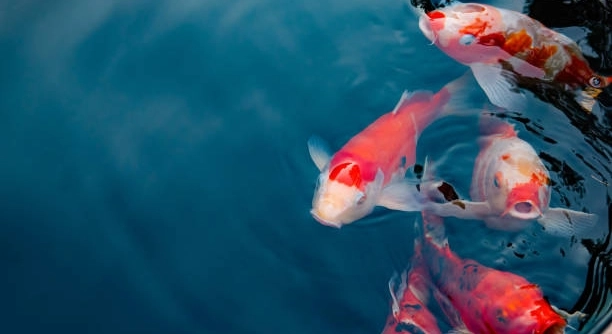
Keeping koi fish healthy means paying attention to their environment. One key part of this environment is the filter that cleans their water. Dirty filters can cause many problems for koi fish and their tank.
Dirty filters reduce water quality, leading to harmful ammonia and nitrite buildup. This environment stresses koi fish, weakens their immune systems, slows growth, causes poor oxygen levels, promotes disease, and affects overall fish health and behavior.
Understanding how dirty filters affect koi fish helps improve their care and keeps them thriving in a clean, balanced pond.
Reduced Oxygen Levels in the Pond
When filters get dirty, they don’t work properly to keep the water clean and clear. This causes oxygen levels in the pond to drop because waste builds up and water circulation slows down. Koi fish need good oxygen to breathe and stay active. Without enough oxygen, they can become weak and less lively. It’s important to clean filters regularly to keep oxygen flowing well. When oxygen is low, koi might gasp at the surface or hide more often. This signals stress and can lead to serious health problems if not fixed quickly.
Low oxygen can cause koi fish to have trouble swimming and reduce their appetite. This affects their growth and overall health. Poor oxygen levels make fish more vulnerable to diseases and infections. Keeping the filter clean helps maintain good oxygen levels for happy, healthy koi.
Regularly checking your filter and pond water quality can prevent oxygen shortages. This simple step makes a big difference in keeping koi comfortable and strong.
Build-Up of Harmful Toxins
Dirty filters allow harmful toxins such as ammonia and nitrites to accumulate in the pond water. These substances come from fish waste, uneaten food, and decaying plants. Normally, a clean filter breaks these toxins down into less harmful compounds. When the filter is clogged or dirty, it cannot remove toxins effectively, leading to dangerous water conditions for koi fish.
High levels of ammonia and nitrites cause stress and damage fish gills, making it difficult for koi to absorb oxygen. This toxic environment weakens their immune systems, increasing the risk of illness. Fish may show signs like red or inflamed gills, lethargy, or unusual swimming behavior when exposed to toxins. Over time, continuous exposure can lead to chronic health problems or even death.
To protect koi, it’s essential to maintain the filter and monitor water parameters regularly. Changing water and cleaning filters reduce toxin levels and create a safer habitat. A well-maintained filter supports the beneficial bacteria that break down waste, keeping toxin levels low. This balance is crucial for koi fish to thrive and stay healthy in their pond.
Increased Risk of Disease
Dirty filters create an environment where harmful bacteria and parasites can thrive. This raises the chances of koi fish getting sick.
When the filter is clogged, waste and debris accumulate in the pond. This dirty water weakens koi’s immune systems and makes it easier for diseases like fin rot or fungal infections to spread. Poor water quality also stresses fish, which lowers their natural defenses. Regular filter cleaning removes these harmful conditions, keeping disease risks low.
Fish affected by disease often show signs such as torn fins, white spots, or unusual behavior. Treating sick koi can be difficult and costly. Prevention through proper filtration and water maintenance is much better. Maintaining a clean filter helps keep the pond environment healthy and protects koi from common illnesses.
Poor Growth and Development
Dirty filters cause water quality to decline, which directly impacts koi growth. When toxins build up, koi have trouble absorbing nutrients and energy.
Koi rely on clean, balanced water to grow strong and healthy. If the water is polluted, their bodies work harder to fight stress and illness, leaving less energy for growth. This can result in stunted development or smaller fish compared to those in well-maintained ponds.
Besides growth problems, poor water quality can cause deformities or weakened immune responses in koi. A clean filter ensures the water stays fresh and healthy, allowing koi to develop properly and reach their full potential over time.
Algae Overgrowth
Dirty filters fail to control excess nutrients in the pond. This leads to rapid algae growth, which can cloud the water and reduce oxygen levels.
Too much algae creates an unhealthy environment for koi. It blocks sunlight and limits oxygen, making it harder for fish to breathe and thrive.
Stress and Behavioral Changes
Poor water quality caused by dirty filters leads to stress in koi fish. Stress weakens their immune system and can cause unusual behavior like hiding or erratic swimming.
Stress affects feeding habits and reduces energy, making koi less active and more vulnerable to diseases. Maintaining a clean filter helps prevent these problems by keeping the water stable and healthy.
Filter Clogging and Damage
A dirty filter clogs more quickly, reducing its effectiveness and potentially causing damage to the system. Regular cleaning extends the filter’s life and ensures it functions properly.
How often should I clean my koi pond filter?
Cleaning frequency depends on pond size, fish load, and filter type. Generally, a thorough cleaning every 3 to 4 weeks is recommended. However, check your filter weekly for buildup or clogging, especially during warm months when fish produce more waste. Regular maintenance helps keep water clear and fish healthy.
What are the signs that my filter is dirty or clogged?
Signs include reduced water flow, cloudy or foul-smelling water, and algae growth. Fish may show stress through gasping at the surface or unusual behavior. If the filter sounds different or water circulation slows, it’s time to clean or inspect the filter parts.
Can I clean the filter with tap water?
It’s best to avoid using chlorinated tap water as it can kill beneficial bacteria essential for breaking down waste. Use pond water or dechlorinated water when rinsing filter media to protect these helpful microbes and maintain biological balance.
What happens if I clean the filter too often or too harshly?
Over-cleaning or scrubbing too aggressively can remove beneficial bacteria, causing toxin levels to rise. This can stress your koi and harm water quality. Clean gently and only when necessary, keeping some bacteria intact for natural filtration.
Are there different types of filters for koi ponds?
Yes, common types include mechanical, biological, and UV filters. Mechanical filters remove debris, biological filters support beneficial bacteria growth, and UV filters help control algae and pathogens. Many systems combine these for effective water cleaning.
How does a dirty filter affect water clarity?
Dirty filters clog with debris and waste, reducing their ability to trap particles. This causes water to become cloudy or murky, which can stress fish and encourage algae growth. Regular cleaning helps maintain clear, healthy water.
Is it normal for algae to grow in my pond?
Some algae growth is normal and even beneficial, as it produces oxygen and provides food for some pond creatures. However, excessive algae caused by poor filtration can harm koi by reducing oxygen and blocking sunlight. Proper filter maintenance controls this balance.
Can a dirty filter cause fish to die?
Yes, poor water quality from a dirty filter can lead to toxic ammonia or nitrite buildup, low oxygen, and increased disease risk. These conditions can be fatal if not addressed quickly. Keeping the filter clean is vital for koi survival.
What’s the best way to maintain filter health long-term?
Regular inspection, gentle cleaning, and monitoring water quality are key. Replace filter media as recommended by the manufacturer, avoid overfeeding koi, and remove excess organic waste. Maintaining good pond hygiene supports filter function and fish health.
Can I use chemical treatments to clean my filter?
Avoid chemical cleaners as they can harm beneficial bacteria and upset the pond’s natural balance. Stick to physical cleaning with pond water and manual removal of debris. Chemical treatments can do more harm than good in the long run.
How do temperature changes affect filter performance?
Filters work best within certain temperature ranges. Cold weather slows biological filtration since bacteria become less active, while warm temperatures increase fish waste and algae growth. Adjust cleaning schedules seasonally to match these changes.
What role do beneficial bacteria play in my filter?
Beneficial bacteria break down harmful ammonia and nitrites into less toxic nitrates, keeping water safe for koi. They live mainly in the biological filter media, so protecting these bacteria through gentle cleaning is essential for a healthy pond ecosystem.
Can dirty filters affect koi breeding?
Yes, poor water quality from dirty filters can stress koi and reduce spawning success. Healthy, clean water supports natural breeding behaviors and the development of eggs and fry. Keeping filters clean helps ensure a safe environment for reproduction.
How do I know if my filter needs replacing?
If the filter is damaged, no longer cleans effectively despite maintenance, or parts are worn beyond repair, it’s time to replace it. Signs include persistent poor water quality, unusual noises, or leaking. Upgrading improves pond health and fish well-being.
Is it okay to clean the filter during the winter?
Cleaning during winter should be minimal since beneficial bacteria slow down. Avoid deep cleaning or replacing all filter media at once. Light maintenance helps prevent clogging without disturbing the biological balance too much during cold months.
Keeping your koi pond filter clean is very important for the health of your fish. Dirty filters cause many problems, from poor water quality to stressed and sick fish. When the filter does not work well, harmful toxins build up, oxygen levels drop, and algae can grow out of control. All these effects make the pond a difficult place for koi to live. Regular cleaning and maintenance of the filter help prevent these problems and create a safe, healthy environment for your koi fish to thrive.
A well-maintained filter supports the balance of the pond’s ecosystem. It helps remove debris and waste, supports beneficial bacteria, and keeps water clear and fresh. This balance is essential for koi to grow strong and stay healthy. When the filter is clean, the pond water stays stable, which reduces stress on the fish and lowers the chance of disease. Taking time to check and clean your filter regularly also extends its lifespan and prevents costly repairs or replacements.
Remember that caring for your koi is more than just feeding them well. Paying attention to the pond’s water quality and the filter’s condition plays a big role in your fish’s well-being. Simple steps like cleaning the filter gently with pond water and monitoring water clarity can make a big difference. Keeping these habits will help your koi live longer, happier lives and allow you to enjoy a beautiful and balanced pond.

Hello,
If you enjoy the content that we create, please consider saying a "Thank You!" by leaving a tip.
Every little bit helps us continue crafting quality advice that supports the health, happiness, and well-being of pets around the world, for pets of all shapes, sizes, and species.
We really appreciate the kindness and support that you show us!