
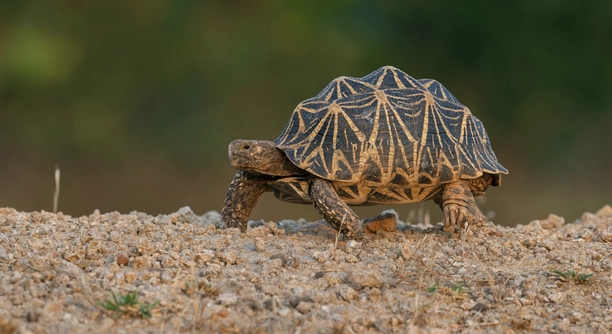
Indian Star Tortoises are known for their beautiful, star-patterned shells. However, these shells can sometimes crack, causing concern for their owners. Understanding how to treat these cracks is important to ensure the tortoise’s health and well-being.
Treating shell cracks in Indian Star Tortoises involves proper care and attention. The cracks can be healed using various methods, including cleaning the wound, applying suitable materials, and ensuring the tortoise’s environment promotes healing. Seeking veterinary advice is recommended.
Taking care of your tortoise’s shell can help prevent further damage. By following these steps, you can improve their condition and keep them healthy for the long run.
Understanding the Causes of Shell Cracks in Indian Star Tortoises
Shell cracks can happen for a variety of reasons. One of the most common causes is trauma, such as accidental drops or impacts. Tortoises are naturally slow-moving creatures, but their shells are still vulnerable to damage from falls or sharp objects in their environment. Another possible reason is improper diet or nutrition. A lack of essential vitamins, like calcium and vitamin D3, can weaken the shell, making it more prone to cracking. Poor housing conditions, such as excessive humidity or inappropriate substrate, can also lead to shell problems. Stress, illness, and even poor shell care practices over time can contribute to cracks forming. Keeping an eye on your tortoise’s health and surroundings is key to preventing damage. Always ensure your tortoise has access to the right nutrients, a safe habitat, and minimal stress.
There are many ways to treat shell cracks depending on the severity. It’s important to address the cause and prevent further injury.
If a crack is mild, cleaning the wound with a disinfectant and applying a protective ointment may be enough. However, deeper cracks might require more intervention. For serious damage, it’s best to consult a veterinarian. They can determine the extent of the injury and recommend appropriate treatment. Some veterinarians may even use a special resin to seal and strengthen the shell. Ensuring your tortoise is housed in a clean, safe, and stress-free environment will help them heal faster. Regular check-ups can also ensure any issues are caught early.
The Importance of Proper Diet and Nutrition
Providing a balanced diet plays a significant role in preventing shell damage.
Ensure your tortoise gets enough calcium, vitamin D3, and other essential nutrients. This will help maintain strong, healthy shell growth and reduce the risk of cracking. Tortoises need calcium for shell and bone development, while vitamin D3 helps in calcium absorption. Without these nutrients, their shells may become brittle and weak, increasing the chances of cracks. Incorporating leafy greens like kale, dandelion greens, and parsley into their diet, along with calcium-rich foods like cuttlefish bone, is an excellent approach. Additionally, tortoises need access to UVB lighting to support vitamin D3 production.
Maintaining the right balance of nutrients, along with providing clean water, is essential for keeping your tortoise’s shell strong. Shell cracks are less likely to occur when your tortoise receives adequate nutrition. However, some tortoises may require supplementation if their diet doesn’t meet all their nutritional needs. Over time, a proper diet can reduce the chances of shell issues and promote better overall health. Remember that a healthy tortoise has a better chance of recovering from injuries and stress.
Keeping the Environment Safe for Healing
Creating a safe environment is crucial for your tortoise’s recovery. A clean, comfortable habitat is essential.
The area should have soft bedding and be free of sharp objects that could further damage the shell. A well-maintained enclosure with appropriate temperatures and humidity levels promotes healing. Tortoises also need to feel secure, so minimize disruptions around their living space. Providing a hiding spot can help reduce stress. Stress can hinder the healing process, so aim to create an environment where they feel calm and safe. A stable and clean space will encourage faster recovery.
Consistent temperature and humidity are essential for proper healing. Too much humidity can lead to fungal infections, while too little can cause dehydration and stress. Maintaining a temperature that mimics their natural environment helps prevent additional strain on their body. Adding a heat lamp or a UVB light helps regulate their internal conditions, supporting the shell’s healing process. Keeping the habitat at the right balance will aid in faster recovery and improve the overall well-being of your tortoise.
Cleaning and Disinfecting the Shell
Cleaning and disinfecting the shell is a necessary step for treating cracks.
First, gently clean the affected area with warm water. Avoid using harsh chemicals, as they can irritate the skin. Use a mild antiseptic solution or a specialized tortoise wound cleaner to disinfect the crack. This will help prevent infection and ensure proper healing. It’s important to do this regularly until the crack starts to heal, ensuring the wound remains clean and free of dirt or bacteria. You can use a soft brush to gently clean the area without causing further damage.
After cleaning the crack, apply a light layer of antibiotic ointment to protect the wound. This can prevent infection and promote healing. However, don’t over-apply ointment, as the shell needs to breathe during recovery. Let the ointment dry before placing the tortoise back in its enclosure. Monitoring the crack closely will help you track its progress. If the area shows signs of infection or worsening, it’s best to consult a veterinarian. Regular cleaning and proper care will reduce the risk of complications during healing.
Seeking Veterinary Care for Severe Cracks
When the cracks are deep or the damage is extensive, it’s important to seek veterinary help.
Veterinarians can assess the severity of the injury and provide professional treatment. They might recommend specific methods such as resin application or even surgery if necessary. Don’t wait for the crack to worsen before consulting a vet.
Prompt treatment can prevent complications like infections or further damage. A vet may also advise on additional care methods for long-term healing. Depending on the injury’s severity, the vet might give you specific guidelines on maintaining the tortoise’s health during recovery. Always act quickly when you notice severe damage.
Using Resin to Seal Cracks
Resin is often used to treat severe shell cracks. It creates a protective barrier.
This treatment helps seal the crack, preventing dirt and bacteria from entering and causing infections. Resin is applied directly to the wound, filling in the cracks and hardening to form a protective shell-like layer. It is essential for deep cracks that require reinforcement. Resin is an effective way to restore the tortoise’s shell and protect it during the healing process. A veterinarian can guide you on the correct procedure to apply resin safely.
FAQ
How long does it take for shell cracks to heal?
The healing time for shell cracks depends on the severity of the injury. Minor cracks can heal in a few weeks, while deeper cracks might take several months. The healing process is influenced by factors such as diet, the environment, and how well the crack is cared for. Keeping the tortoise in a safe, clean habitat with proper humidity and temperature will help speed up the recovery process. If a vet is involved, they will provide an estimate based on the tortoise’s specific condition.
Can I treat minor cracks at home?
Yes, minor cracks can often be treated at home. The first step is to clean the crack with warm water and a gentle antiseptic solution. After cleaning, apply a thin layer of antibiotic ointment to prevent infection. Be sure to monitor the crack regularly to check for any signs of worsening or infection. If the crack doesn’t improve or becomes more severe, seeking veterinary care is recommended.
What are the signs that the crack is getting worse?
Signs that a shell crack is getting worse include swelling, discharge, a foul odor, or the crack expanding in size. These symptoms may indicate an infection or a deeper issue. If you notice any of these signs, it’s important to seek veterinary care immediately. A worsening crack can lead to long-term damage or complications that could affect the tortoise’s health.
How can I prevent shell cracks in the future?
Preventing future shell cracks involves a combination of good care practices. Providing a proper diet rich in calcium and vitamin D3 is essential to maintain shell strength. Keeping your tortoise’s living environment clean and free of sharp objects will help reduce the risk of accidental injury. Proper lighting (UVB) is also crucial for shell health, as it aids in the absorption of calcium. Regular check-ups with a veterinarian will help catch any issues early.
Should I limit my tortoise’s activity while the crack heals?
Limiting your tortoise’s activity during healing can help prevent further injury. While tortoises are generally slow and careful, excessive movement or climbing could aggravate the crack or cause more damage. It’s best to keep your tortoise in a smaller, secure area where it can’t exert too much force on the damaged shell. This controlled environment will promote healing and reduce the risk of further harm.
Can a cracked shell be fully repaired?
A cracked shell can be repaired, but the extent to which it can return to its original state depends on the severity of the injury. Minor cracks may heal completely with proper care, while deeper cracks may leave some permanent damage. In some cases, treatments like resin application can restore structural integrity. Consulting a vet is key in determining whether full repair is possible.
What should I do if my tortoise is in pain from the crack?
If your tortoise shows signs of pain, such as hissing, withdrawing, or reluctance to move, it’s crucial to consult a vet right away. Pain can be a sign of an infection or a more serious injury that needs medical attention. A vet will help assess the level of pain and may prescribe medication or recommend a treatment plan for pain relief.
Is it safe to use home remedies for shell cracks?
Home remedies can be helpful for treating minor shell cracks, but they should be used with caution. It’s important to avoid using harsh chemicals or untested treatments, as they may irritate the wound or slow the healing process. Simple antiseptics and antibiotic ointments are usually safe, but when in doubt, always consult a veterinarian for guidance on the safest course of action.
Can a tortoise live with a cracked shell?
Yes, a tortoise can live with a cracked shell if the injury is properly cared for. Many tortoises recover fully from minor shell damage. However, untreated or severe cracks can lead to infections, deformities, and even death. Timely care and attention can help your tortoise live a healthy life even with a cracked shell, though regular veterinary check-ups are recommended.
How do I know if the crack is infected?
Infection in a cracked shell is typically marked by swelling, redness around the injury, warmth, or discharge (pus or blood). A foul odor from the wound is also a strong indicator of infection. If you notice any of these signs, it’s important to see a veterinarian as soon as possible to prevent the infection from spreading.
What should I do if the crack is deep and large?
For deep and large cracks, immediate veterinary attention is needed. Severe shell damage may require more advanced treatments, including resin application or even surgical intervention. A veterinarian will assess the injury and recommend the best course of action. Trying to treat a severe crack at home without professional help can lead to complications.
Can shell cracks affect my tortoise’s behavior?
Yes, shell cracks can affect your tortoise’s behavior, particularly if the injury causes pain or discomfort. Tortoises with cracked shells may become more lethargic, avoid moving, or exhibit signs of distress. They may also lose their appetite or hide more than usual. Keeping the tortoise in a calm and safe environment and seeking veterinary care can help minimize discomfort.
Taking care of an Indian Star Tortoise with a cracked shell requires attention and patience. Minor cracks can often be treated at home, but more severe injuries will need veterinary care. It’s essential to monitor the tortoise closely for signs of infection or worsening damage. A proper diet, safe environment, and timely treatment can make a significant difference in how well the tortoise recovers. Ensuring that your tortoise gets enough calcium, vitamin D3, and access to UVB light will help maintain a healthy shell and reduce the risk of cracks in the future.
It’s also important to remember that each tortoise is different, and healing times will vary. Some tortoises may heal quickly with little intervention, while others may need more time or additional care. Creating a stable and stress-free environment for them during recovery will improve their chances of healing successfully. Regular check-ups with a veterinarian can help you stay on top of your tortoise’s health and ensure the crack is healing properly. Don’t hesitate to seek professional advice if you notice any complications or signs of infection.
In the end, the key to treating shell cracks in Indian Star Tortoises lies in early detection and proper care. Keeping their living space safe, providing a well-balanced diet, and ensuring they receive the appropriate medical treatment are all critical steps. While the road to recovery may take time, with consistent effort and attention, your tortoise can heal and live a healthy life. Patience and care are your best tools in supporting your tortoise through the recovery process.

Hello,
If you enjoy the content that we create, please consider saying a "Thank You!" by leaving a tip.
Every little bit helps us continue crafting quality advice that supports the health, happiness, and well-being of pets around the world, for pets of all shapes, sizes, and species.
We really appreciate the kindness and support that you show us!