
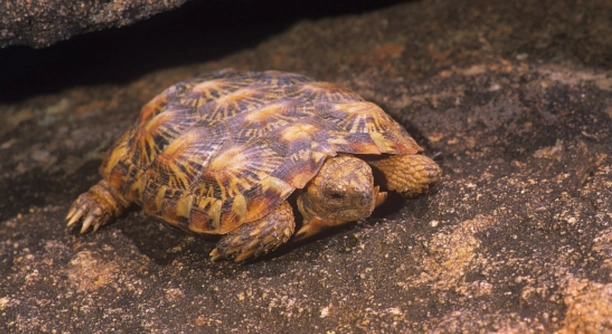
Is your pancake tortoise showing signs of stress, like hiding more than usual or refusing to eat? Stress can impact its health and behavior, making it essential to create a calm and comfortable environment for your unique pet.
The most effective ways to reduce stress in a pancake tortoise include providing a proper habitat, maintaining stable temperatures, offering hiding spots, minimizing loud noises, ensuring a consistent diet, handling with care, and monitoring for health concerns.
A well-maintained habitat and a peaceful environment can significantly improve your tortoise’s well-being. Understanding these methods will help ensure your pet feels secure, comfortable, and stress-free in its enclosure.
Provide a Proper Habitat
A well-structured habitat is essential for keeping your pancake tortoise comfortable and stress-free. A spacious enclosure with a secure lid helps prevent escape while allowing natural movement. The substrate should mimic their natural rocky terrain, using a mix of sand and soil for burrowing. Hiding spots, such as flat rocks or stacked slate, give them a sense of security. Maintain proper ventilation to prevent excessive humidity buildup, which can cause discomfort. Artificial plants or non-toxic real plants can create a more natural setting. Keeping their enclosure clean and dry prevents mold growth and helps maintain their health.
A cluttered or poorly maintained enclosure can make your tortoise anxious. A simple, well-organized habitat with hiding spaces and appropriate substrate encourages natural behaviors. Regularly check for any issues that might cause stress, such as improper lighting or temperature fluctuations.
A stress-free habitat allows your pancake tortoise to thrive. A well-planned setup supports their instincts and helps them feel secure. Proper space, hiding areas, and a clean environment all contribute to their overall well-being. Making small adjustments can lead to noticeable improvements in their behavior and comfort.
Maintain Stable Temperatures
Pancake tortoises rely on stable temperatures to stay healthy. Sudden changes can cause stress and affect their activity levels. Using a reliable heat source, such as a basking lamp, helps maintain consistent warmth throughout the day.
The ideal temperature range for pancake tortoises is between 80°F and 90°F, with a basking area around 95°F. At night, temperatures should not drop below 70°F. A heat lamp or ceramic heat emitter can help regulate warmth. Using a thermostat ensures precise control, preventing overheating or cold spots. UVB lighting is essential for proper shell and bone health. Without it, they may become lethargic or develop health issues. Place the heat source on one side of the enclosure to create a temperature gradient, allowing your tortoise to move between warm and cool areas as needed. Regularly check the temperatures with a digital thermometer to maintain consistency.
Offer Hiding Spots
Hiding spots help pancake tortoises feel safe and reduce stress. Without proper shelter, they may become anxious and less active. Flat rocks, cork bark, and stacked slate provide secure areas where they can retreat when needed. Multiple hiding places allow them to choose where they feel most comfortable.
Placing hiding spots in different areas of the enclosure gives your tortoise options. Some should be near the basking area, while others should be in cooler sections. This setup helps them regulate body temperature without feeling exposed. Avoid plastic hides that trap heat and moisture, as they can cause discomfort. Natural materials like stone or wood blend well into their environment. Ensuring the hides are large enough for them to enter but snug enough to provide security makes them more effective. Checking for stability prevents accidental collapses that could stress or injure your tortoise.
A well-placed hide helps mimic their natural habitat. In the wild, pancake tortoises wedge themselves between rocks for protection. Providing similar spaces in captivity allows them to engage in natural behaviors. If your tortoise frequently hides, it may be a sign they need more security or that the environment is too bright or noisy. Adjusting the enclosure can help them feel more at ease.
Minimize Loud Noises
Loud noises can startle pancake tortoises and increase stress levels. Constant exposure to noise may cause them to hide more, eat less, or become less active. Keeping their enclosure in a quiet area of your home helps them feel safer and more relaxed. Soft background sounds are fine, but sudden, loud noises should be avoided.
Televisions, speakers, and household appliances can create vibrations that disturb your tortoise. Placing their enclosure away from high-traffic areas helps reduce stress. If you have other pets, keeping them from pawing at the enclosure prevents additional anxiety. A solid background, like a rock wall or plants, can act as a barrier, helping to block out some noise. Even small changes, like closing doors or lowering the volume of electronics, can make a big difference in keeping your tortoise calm.
Ensure a Consistent Diet
A balanced diet helps keep stress levels low. Pancake tortoises need a variety of leafy greens, such as dandelion, collard greens, and mustard greens. Occasional treats like hibiscus flowers or cactus pads provide extra nutrients. Avoid high-protein foods, as they can cause health problems over time.
Feeding at the same time each day helps your tortoise feel secure. Sudden diet changes or irregular feeding schedules can create stress. Fresh water should always be available in a shallow dish. Removing uneaten food prevents mold and bacteria growth. A consistent diet keeps their digestion regular and supports overall well-being.
Handle With Care
Frequent handling can stress pancake tortoises. They prefer to stay in their enclosure and may become anxious if picked up too often. If handling is necessary, do it gently and keep sessions brief. Supporting their body properly prevents them from feeling insecure.
Monitor for Health Concerns
Unusual behavior, such as lack of appetite or excessive hiding, may indicate stress or illness. Regularly checking for changes in weight, shell condition, and activity levels helps catch issues early. If symptoms persist, consulting a reptile veterinarian ensures your tortoise receives proper care.
FAQ
How do I know if my pancake tortoise is stressed?
A stressed pancake tortoise may hide excessively, refuse to eat, or become less active. Pacing, scratching at the enclosure walls, and sudden weight loss are also signs of stress. Checking for changes in behavior helps determine if adjustments to their environment are needed.
Can loud noises harm my pancake tortoise?
Loud noises can cause stress, making your tortoise feel unsafe. Vibrations from televisions, speakers, or household appliances may startle them. Keeping their enclosure in a quiet area away from high-traffic spaces helps reduce anxiety and allows them to feel more secure.
How often should I handle my pancake tortoise?
Pancake tortoises do not enjoy frequent handling. Handling them too often can cause stress and disrupt their routine. If handling is necessary, keep sessions brief and support their body properly. Avoid sudden movements, and always place them back gently in their enclosure.
What is the best temperature for a pancake tortoise?
A basking spot should be around 95°F, while the rest of the enclosure should stay between 80°F and 90°F. At night, temperatures should not drop below 70°F. Using a thermostat and checking temperatures daily ensures a stable and comfortable environment.
Do pancake tortoises need UVB lighting?
UVB lighting is essential for their health. It helps with calcium absorption and prevents shell deformities. Without proper UVB exposure, they may develop metabolic bone disease. A high-quality UVB bulb should be used and replaced every six months for effectiveness.
What foods should I avoid feeding my pancake tortoise?
Avoid feeding iceberg lettuce, spinach, and high-protein foods. Iceberg lettuce lacks nutrients, spinach binds calcium, and protein can cause shell deformities. Stick to leafy greens like dandelion and collard greens, along with occasional treats like hibiscus flowers or cactus pads.
Why is my pancake tortoise hiding all the time?
Constant hiding may indicate stress, improper temperatures, or illness. If the enclosure is too cold, they will seek shelter to conserve heat. Loud noises, too much handling, or a lack of proper hiding spots can also cause them to retreat frequently.
How can I make my pancake tortoise feel safe?
Providing multiple hiding spots, maintaining a stable environment, and minimizing disturbances help your tortoise feel secure. Keeping their enclosure clean and placing it in a quiet location also reduces stress. A predictable routine makes them feel more comfortable.
How often should I clean my pancake tortoise’s enclosure?
Spot clean daily by removing waste and uneaten food. Deep cleaning, including replacing the substrate and disinfecting surfaces, should be done once a month. A clean enclosure prevents bacteria buildup and keeps your tortoise healthy.
Can I keep multiple pancake tortoises together?
Pancake tortoises can be housed together if they have enough space and resources. However, overcrowding or competition for food and basking spots can cause stress. Monitoring their behavior ensures they are coexisting peacefully.
What should I do if my pancake tortoise stops eating?
Check the enclosure’s temperature, lighting, and humidity levels, as improper conditions can cause appetite loss. Stress, illness, or a sudden diet change may also be factors. If the issue persists, a visit to a reptile veterinarian is recommended.
Final Thoughts
Caring for a pancake tortoise requires attention to their environment, diet, and overall well-being. Providing a proper habitat with hiding spots, stable temperatures, and minimal noise helps reduce stress. A consistent routine, including regular feeding and gentle handling, allows them to feel more secure. Monitoring their behavior helps identify any potential issues early, ensuring they remain healthy and comfortable. Simple adjustments, like placing their enclosure in a quiet space or offering natural hiding areas, can make a big difference in their stress levels.
Understanding their needs helps create a peaceful and enriching home. A varied diet with leafy greens and occasional treats supports their health, while proper UVB lighting keeps their shell strong. Regular cleaning prevents bacteria buildup and keeps their enclosure safe. Paying close attention to any changes in activity, eating habits, or behavior allows for quick action if something seems off. Keeping their routine consistent and avoiding unnecessary disturbances allows them to feel more at ease.
A stress-free tortoise is more active, eats well, and engages in natural behaviors. Small changes can significantly improve their quality of life, making them more comfortable in their environment. Whether you are a new owner or have cared for one for years, focusing on their needs ensures they stay happy and healthy.

Hello,
If you enjoy the content that we create, please consider saying a "Thank You!" by leaving a tip.
Every little bit helps us continue crafting quality advice that supports the health, happiness, and well-being of pets around the world, for pets of all shapes, sizes, and species.
We really appreciate the kindness and support that you show us!