
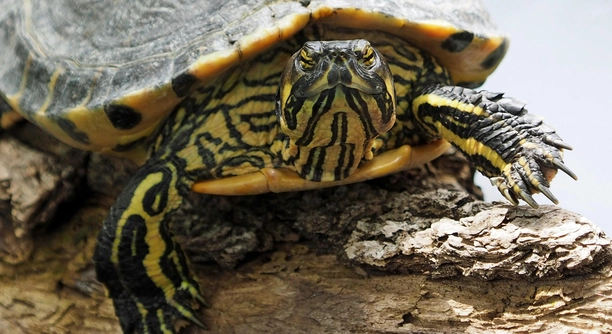
Mold growth in yellow-bellied slider tanks is a common concern for turtle owners. Keeping their environment clean and healthy is crucial for their well-being. If you want to maintain a safe and hygienic tank, mold prevention is key.
Preventing mold in yellow-bellied slider tanks requires regular tank maintenance, proper filtration, and controlling humidity levels. Adequate lighting, water temperature management, and routine cleaning of surfaces help minimize the growth of mold and bacteria.
Maintaining a healthy tank environment will benefit both your turtle’s health and the overall aesthetic of the tank.
Maintain Proper Water Quality
Water quality is one of the most important factors in preventing mold. Dirty water can lead to the growth of harmful bacteria and mold. Regular water changes are essential, but it’s also important to monitor the water’s pH, hardness, and temperature. Yellow-bellied sliders thrive in clean, stable environments, and poor water quality can stress your turtle, leading to health problems.
A proper filtration system is vital for maintaining water cleanliness. A strong filter removes waste and keeps the water free from contaminants. Make sure to choose a filter that is appropriate for the size of the tank. In addition to filtration, using water conditioners can also help neutralize harmful substances.
To keep mold at bay, clean the tank regularly, removing any food or debris that could break down and promote mold growth. Check the filter frequently to ensure it’s working effectively and change it as needed. The cleaner the water, the less likely mold will develop.
Control Tank Temperature and Humidity
Temperature and humidity play a large role in mold prevention. Mold thrives in moist, warm conditions, so it’s important to control both.
Yellow-bellied sliders prefer water temperatures between 75°F and 85°F. Keep the basking area slightly warmer. Using a reliable thermometer will help you maintain this temperature. Humidity, however, should be kept under control to avoid excess moisture. An environment that’s too humid can lead to mold growth on the tank surfaces and substrate.
A good rule of thumb is to monitor both humidity and temperature regularly. Make adjustments as needed with heating lamps and dehumidifiers if you notice any fluctuations. These simple steps can drastically reduce mold growth risks.
Clean the Tank Regularly
Regular tank cleaning is one of the simplest and most effective ways to prevent mold. Waste, uneaten food, and organic matter can accumulate quickly and create the perfect breeding ground for mold. Clean the tank thoroughly at least once a week to keep the environment fresh and mold-free.
While cleaning, be sure to scrub the tank walls, decorations, and any other surfaces where mold could potentially grow. Pay close attention to hard-to-reach areas like corners and cracks. Use non-toxic cleaning products designed for aquariums to avoid harming your turtle. After cleaning, replace the water with fresh, dechlorinated water to help maintain a healthy habitat.
Don’t forget to clean the tank’s substrate as well. The sand, gravel, or rocks at the bottom can harbor debris and mold. Siphoning out debris from the substrate helps keep it clean and reduces the chances of mold buildup.
Provide Adequate Lighting
Proper lighting is essential for preventing mold growth in a turtle tank. Not only does it help with the turtle’s natural behaviors and health, but it also controls humidity and moisture levels. UVB lighting, in particular, helps regulate the tank’s environment.
Choose a light that provides both heat and UVB rays. This encourages your yellow-bellied slider to bask, helping dry out any excess moisture in the tank. Mold thrives in damp conditions, so the heat from the basking light can reduce humidity, creating an environment where mold is less likely to thrive. Keep the lights on a timer to maintain a consistent day-night cycle.
Adjust the lighting to ensure the tank’s temperature remains within the ideal range. A combination of basking lights and low-wattage ambient lighting should be sufficient. Regularly check the lights to make sure they’re working properly, as a malfunction could disrupt the balance in your tank’s ecosystem.
Avoid Overfeeding
Overfeeding is a major contributor to mold growth in turtle tanks. Uneaten food sinks to the bottom and decays, creating a perfect environment for mold. It’s important to feed your yellow-bellied slider only what it can consume in a few minutes to avoid this issue.
If any food remains after feeding, be sure to remove it immediately. A good practice is to feed your turtle in a separate container, allowing you to control the amount of food. This will help prevent food from contaminating the tank, reducing mold risks. It also promotes a healthier feeding routine for your turtle.
Use Safe Substrates
Choosing the right substrate for your tank is key to mold prevention. Some substrates, like organic soil, can hold too much moisture and contribute to mold growth. Consider using materials that allow water to drain easily and dry out faster.
Gravel, large river rocks, or ceramic tiles are safer options. They do not trap excess moisture and are easy to clean. Ensure the substrate is cleaned regularly to avoid the buildup of organic matter that could encourage mold. Avoid using too much substrate, as it could be harder to maintain proper drainage and airflow.
Maintain Tank Airflow
Proper airflow helps control humidity levels and reduces the chance of mold formation. Tanks with poor ventilation tend to hold moisture, creating a favorable environment for mold. Ensure your tank has enough airflow to keep the air circulating.
Consider using an aquarium fan or ensuring the tank lid is slightly open. This will help reduce excess moisture from accumulating on tank surfaces. Good airflow will also help regulate temperature and prevent the tank from becoming too warm or too damp. Regularly check the tank’s ventilation and make adjustments as needed to maintain healthy airflow.
FAQ
How can I tell if mold is growing in my turtle tank?
Mold typically appears as fuzzy, discolored patches, usually white, green, or black, on tank surfaces, substrate, or decorations. If you notice an unusual smell, dampness, or visible growths, it’s time to check for mold. Regular tank inspections can help catch it early. Keep an eye on any areas that stay wet for long periods, as mold often thrives in these spots. If your turtle shows signs of illness, like lethargy or skin issues, mold could be a contributing factor.
Can mold be harmful to my yellow-bellied slider?
Yes, mold can be harmful to turtles. Exposure to mold can cause respiratory issues, skin infections, or eye problems in yellow-bellied sliders. The damp, dirty conditions mold thrives in can also stress your turtle and weaken its immune system. Ensuring a clean and mold-free environment will help your turtle stay healthy and happy. If you notice any unusual behavior or symptoms, it’s important to consult a vet for proper treatment.
What are the best ways to prevent mold in my turtle tank?
To prevent mold, maintain good water quality, regulate temperature and humidity, clean the tank regularly, and provide adequate lighting. A well-filtered tank will reduce debris, while controlling the temperature and humidity will make it less conducive to mold growth. Regularly remove uneaten food and waste, and clean surfaces where mold can develop. Ensuring proper ventilation also helps prevent excess moisture that encourages mold growth.
How often should I change the water in my yellow-bellied slider tank?
Changing the water regularly is essential to prevent mold and maintain a healthy tank environment. A good rule of thumb is to change 25-50% of the water every week. If the tank is particularly dirty, consider doing partial water changes more often. Monitoring water quality through regular testing for pH, ammonia, and nitrates can also help guide water change schedules.
Is it necessary to use a filter in the tank?
Yes, a filter is an important part of maintaining a healthy environment for your yellow-bellied slider. Filters help remove waste, food debris, and harmful chemicals from the water, preventing them from breaking down and potentially causing mold. A good filter will also help maintain proper water circulation, which reduces the chances of stagnant, mold-prone areas in the tank. Make sure to choose a filter that suits the size of your tank and clean it regularly to keep it functioning properly.
How can I prevent excess humidity in my turtle tank?
Excess humidity can lead to mold growth, so managing it is essential. To prevent too much moisture, control the tank’s temperature and ensure proper ventilation. Use a dehumidifier in the room if necessary and consider leaving the tank lid slightly open for better airflow. Avoid over-watering plants or letting water accumulate in corners, as this can increase humidity. Keeping the basking area warm will also help reduce moisture levels.
What should I do if I find mold in my tank?
If you find mold in your turtle tank, act quickly to remove it. Start by cleaning the affected areas with non-toxic aquarium-safe cleaning products. Scrub surfaces with a soft brush or sponge to avoid damaging the tank. Make sure to remove any moldy substrate and replace it with fresh, clean material. After cleaning, replace the water and monitor the tank regularly to ensure the mold does not return. If mold persists, reevaluate the tank’s humidity, temperature, and cleanliness.
How can I keep my turtle’s basking area dry?
Keeping the basking area dry is essential for your turtle’s health. Use a basking lamp to provide warmth and encourage your yellow-bellied slider to dry off completely. Ensure that the basking area is large enough to accommodate your turtle and allow it to completely dry its shell. You can also use absorbent materials like ceramic tiles or rocks in the basking area to help wick away moisture. Check the basking spot regularly for dampness and clean it frequently to prevent mold growth.
What type of substrate is best to prevent mold?
To prevent mold, choose a substrate that allows water to drain and dries quickly. Gravel or river rocks work well because they don’t trap moisture. Avoid using organic materials like soil, as they hold water and can create ideal conditions for mold growth. If you use sand, make sure it’s cleaned regularly and doesn’t retain excess moisture. Whatever substrate you choose, it should be easy to clean and maintain.
Can too much light cause mold in the tank?
Too much light can lead to higher temperatures and increased humidity in the tank, potentially creating an environment where mold can thrive. It’s important to use the right type of lighting, such as a UVB light for your turtle’s health and basking needs. Keep the light on a timer to mimic day and night cycles, ensuring that the tank doesn’t overheat. Balance the lighting with proper ventilation to avoid excessive humidity.
Taking the necessary steps to prevent mold in your yellow-bellied slider’s tank is vital for both their health and the tank’s cleanliness. By maintaining proper water quality, controlling humidity and temperature, and cleaning the tank regularly, you can significantly reduce the chances of mold forming. Monitoring these factors and creating a consistent, stable environment will go a long way in keeping your turtle happy and healthy.
A clean tank not only prevents mold but also helps avoid other potential health problems for your turtle. Regular water changes, along with cleaning the surfaces, decorations, and substrate, are essential to maintaining a safe habitat. It’s important to keep an eye out for any signs of mold, as early detection makes it much easier to remove and prevent its return. Using the right filtration system, substrate, and lighting all play key roles in mold prevention and overall tank maintenance.
Finally, remember that keeping your tank’s environment well-balanced and stable is the best approach to mold prevention. By focusing on routine maintenance, proper lighting, and temperature control, you can ensure your turtle has a healthy, mold-free living space. Regularly monitoring the tank, especially after water changes or feeding, will help you stay ahead of any potential issues. A little time and effort will go a long way in providing your yellow-bellied slider with the best care possible.

Hello,
If you enjoy the content that we create, please consider saying a "Thank You!" by leaving a tip.
Every little bit helps us continue crafting quality advice that supports the health, happiness, and well-being of pets around the world, for pets of all shapes, sizes, and species.
We really appreciate the kindness and support that you show us!