
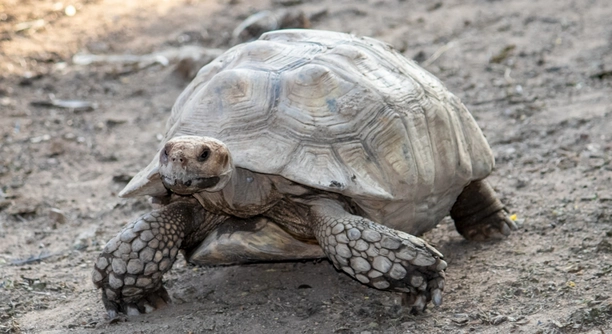
If you have a tortoise and notice it’s too cold, it can be concerning. Tortoises are cold-blooded animals, so their body temperature relies on external warmth to stay healthy. Knowing how to help is important for their well-being.
To help a tortoise that’s too cold, it’s essential to warm them gradually. This can be done by providing a heat source, such as a heat lamp or warm water, depending on the species. Do not place them in direct sunlight immediately.
There are a few simple methods to help warm your tortoise safely. By following these tips, you can ensure your tortoise stays healthy and comfortable.
How to Identify If Your Tortoise Is Too Cold
Tortoises rely on external heat to regulate their body temperature, so if they’re too cold, it can be harmful. A tortoise that is too cold will often appear lethargic or might even stop moving. Their appetite may decrease, and they might withdraw into their shell for warmth. If you notice these signs, it’s a clear indication that your tortoise’s temperature is dropping too low. In extreme cases, prolonged exposure to cold can lead to more serious health issues, like respiratory problems or even death.
Once you notice these signs, it’s important to act fast. However, never immediately place your tortoise in direct heat. Rapid temperature changes can be just as harmful as being too cold. Instead, focus on warming them up gradually.
The first step is to check their environment. If their habitat is too cold, they may need additional heat sources like heat lamps or heating pads. Ensure that these heat sources are not too hot, as a slow increase in temperature will allow their body to adjust properly.
Ways to Warm Your Tortoise Safely
The best way to warm a cold tortoise is by using a heat lamp or soaking them in lukewarm water. Never use direct sunlight or heat sources that might be too intense.
Start by placing your tortoise under a heat lamp, keeping the distance appropriate to avoid overheating. If you’re soaking them, make sure the water is not too hot, just warm enough to help them relax and slowly regain heat.
When you provide a heat lamp, ensure the temperature remains consistent in their environment. Keep the light focused on the basking area while allowing them to move away to cooler spots if they need to. Soaking them in lukewarm water can help raise their body temperature without causing stress. It’s important to monitor them during this process, especially to make sure the water remains at the right temperature.
If your tortoise is still too cold, a slightly warmer environment might be necessary. You can create a small, safe heated area for them to bask in. It’s crucial to always check the temperature with a thermometer. Cold tortoises often need more than just immediate warmth; it may take time for them to fully warm up and recover. Be patient and gentle with the process.
Preventing Future Cold Stress
To avoid this issue in the future, it’s essential to maintain a stable environment for your tortoise. Invest in a reliable heat source and a thermostat to keep their habitat warm. Cold drafts, like from open windows or doors, should be avoided, as they can quickly drop the temperature.
Regularly check the temperature in your tortoise’s enclosure to ensure that it stays within their ideal range. Different tortoise species have slightly different needs, so make sure you know the specific temperature requirements for the species you have. This simple step can help prevent cold stress and keep your pet healthy.
Additionally, make sure your tortoise’s diet and hydration levels are consistent. A well-fed, hydrated tortoise is more likely to withstand colder temperatures better than one that is malnourished or dehydrated. Regular health checks will also help ensure your tortoise stays in top condition throughout the year.
Use a Heat Source to Gradually Warm Your Tortoise
A heat lamp is one of the most reliable ways to warm a cold tortoise. Position the lamp at an appropriate distance to avoid overheating. The goal is to provide a consistent, gentle heat. Ensure the heat source doesn’t create hot spots in the enclosure.
Start by placing your tortoise under the heat lamp for about 30 minutes to an hour. Monitor its behavior during this time. If your tortoise starts moving more, that’s a sign that they’re warming up. Make sure to keep the heat at a moderate level to avoid sudden temperature shifts. Using a thermometer can help you maintain the right temperature.
In addition to the heat lamp, some tortoises respond well to heating pads, but these should be used carefully. A heating pad under the tank can create a stable warm spot for your tortoise to move towards. Be cautious not to overheat the enclosure with too many heat sources. Properly monitoring temperature is key to keeping your tortoise safe.
Soaking in Lukewarm Water Can Help
Soaking your tortoise in lukewarm water can gradually raise their body temperature. Fill a container with water just above room temperature, making sure it’s not too hot. Let your tortoise soak for about 20 to 30 minutes. Keep a close eye on them to ensure they’re not stressed or too cold.
While soaking, it’s important to ensure your tortoise is comfortable and safe. Keep the water level low enough so they can easily stand or rest with their head above the water. If your tortoise seems hesitant or stressed, stop the process and try again later. Some tortoises may resist the water treatment, so don’t force them into it.
After soaking, dry your tortoise gently with a soft towel. This helps to prevent them from staying damp, which could lower their body temperature again. Regularly check your tortoise’s behavior after soaking. If they continue to show signs of cold stress, further warmth or environmental adjustments may be necessary.
Avoid Rapid Temperature Changes
Sudden temperature changes can shock your tortoise’s system. If they are too cold, don’t immediately put them in direct heat or sunlight. Gradually raise their body temperature to allow their system to adjust properly. Fast changes can lead to further stress and harm.
Make sure the temperature change is gradual. If you’re using a heat lamp or soaking method, give your tortoise time to adjust. Don’t rush the process, as a slow and steady warm-up is far safer. Monitor their behavior closely as they warm, watching for signs of improvement like movement and alertness.
Allow your tortoise to move to a cooler spot if they need it. It’s important to avoid overwhelming their body with extreme heat. Overheating can be as dangerous as being too cold.
Create a Comfortable, Warm Environment
Maintaining a warm environment for your tortoise is key to preventing cold stress. Keep their enclosure at a consistent, appropriate temperature. Invest in a reliable heat source, such as a ceramic heater or heating lamp. This ensures they stay at a comfortable temperature even when the weather changes.
Using a thermostat can help regulate the heat. Keeping the enclosure temperature in check will reduce the risk of your tortoise becoming too cold. Also, avoid drafts and cold areas that can lower the ambient temperature. A cozy, warm space is essential for their health and comfort.
Check Temperature Regularly
Monitoring the temperature in your tortoise’s habitat is vital to their health. Without proper heat, your tortoise could easily become too cold. Regularly check the temperature with a thermometer to ensure their environment stays within the proper range.
FAQ
How do I know if my tortoise is too cold?
If your tortoise is too cold, it will show certain signs. A common indicator is sluggishness or inactivity. It may retreat into its shell and remain in that position for long periods. Cold tortoises often lose their appetite and show little interest in moving around. If you notice these behaviors, it’s a good idea to check the temperature in their habitat.
Also, if your tortoise has been in an environment where the temperature drops below their recommended range, this could lead to cold stress. For most species, this is usually below 65°F (18°C). Always ensure their enclosure maintains a stable, warm environment, especially during cooler weather.
What temperature should I keep my tortoise’s enclosure?
The ideal temperature for your tortoise will depend on its species. Most species of tortoises, such as the Russian or Hermann’s tortoise, need a basking spot of around 85°F to 90°F (29°C to 32°C). The rest of the enclosure should have a cooler area, ideally between 70°F and 75°F (21°C to 24°C). For tropical species like the Leopard tortoise, you may need a slightly warmer basking area.
It’s important to research the specific needs of your tortoise species to ensure they stay within their preferred temperature range. A temperature gradient—having both warm and cool areas in the enclosure—is crucial for your tortoise to regulate its body temperature effectively.
Can I warm up my tortoise too quickly?
Yes, warming up your tortoise too quickly can cause harm. A rapid temperature change can shock your tortoise’s system and cause additional stress. Always gradually increase the temperature. For example, if you’re using a heat lamp, start by placing it at a safe distance to avoid intense heat. If you’re soaking your tortoise, make sure the water is just slightly warmer than room temperature.
You should never place your tortoise in direct sunlight or hot water right away. Overheating is a serious risk. Always allow your tortoise’s body to warm up slowly and gently to avoid complications.
How often should I soak my cold tortoise?
If your tortoise is too cold, you can soak it in lukewarm water for 20-30 minutes to help it warm up. You should only do this when necessary, such as when the tortoise has been exposed to cooler temperatures or shows signs of cold stress. Soaking too frequently may cause undue stress.
The water should be warm, but not hot, ideally around 75°F to 80°F (24°C to 27°C). Be sure to dry your tortoise carefully afterward to prevent it from getting cold again. It’s important to monitor the tortoise’s behavior after soaking to see if it begins to perk up.
Can I use a heating pad to warm my tortoise?
Yes, a heating pad can be used to warm your tortoise, but it should be placed under the enclosure rather than directly on the tortoise. This helps create a warm spot for your tortoise to move towards if needed. Make sure the heating pad is controlled by a thermostat to avoid overheating.
A heating pad is useful for creating a consistent warmth in the enclosure, especially during colder months. However, you should never rely solely on a heating pad. A combination of a heat lamp and a heating pad is typically the best method for keeping your tortoise comfortable.
What should I do if my tortoise refuses to eat after getting too cold?
A tortoise that refuses to eat after being too cold might still be recovering from cold stress. Cold tortoises often lose their appetite, which can be frustrating for owners. If your tortoise is still sluggish or inactive, continue to warm them up gradually and provide them with a safe, comfortable environment.
If your tortoise doesn’t start eating within a couple of days, you should consult with a vet. Sometimes, prolonged cold stress can lead to more serious health issues that may need professional treatment. Be patient and keep monitoring their behavior closely.
Is it safe to keep my tortoise outside in cooler weather?
Tortoises can live outside in cooler weather, but only if their enclosure is properly set up to protect them from temperature drops. If you live in an area with colder winters, it’s not advisable to leave your tortoise outside unless it’s in a secure, insulated outdoor enclosure.
Outdoor enclosures should have a sheltered area with a heat source to maintain a comfortable temperature. During extreme cold, it’s better to bring your tortoise inside to prevent it from becoming too cold. Make sure they are kept in a safe, stable environment.
How do I avoid cold stress in my tortoise during winter?
To prevent cold stress during the winter months, ensure your tortoise’s enclosure is insulated. If your tortoise is kept indoors, make sure the room temperature stays within the ideal range. During winter, you can also use additional heating sources like heat lamps and heating pads to regulate the temperature.
If your tortoise is housed outside, it’s best to bring it inside during colder months or ensure its outdoor enclosure has proper heating. A thermometer is essential for monitoring the temperature. Cold stress can be avoided with a consistent, warm environment and regular checks.
Can my tortoise get hypothermia?
Yes, tortoises can suffer from hypothermia if exposed to extreme cold for an extended period. If their body temperature drops too low, they can become unresponsive, and their vital functions may slow down. Hypothermia can be life-threatening, so it’s important to avoid exposing your tortoise to cold temperatures below their safe range.
If you suspect your tortoise is suffering from hypothermia, you should act quickly. Warm them up gradually with the methods mentioned, but seek immediate veterinary attention if you notice signs of severe cold stress, such as a completely unresponsive tortoise.
How can I keep my tortoise warm during a power outage?
In the event of a power outage, there are a few options to keep your tortoise warm. One option is to place your tortoise in a smaller container with warm water. You can also use hot water bottles wrapped in towels to gently warm their enclosure.
Make sure to keep an eye on the temperature and try to prevent drafts. If the power outage is prolonged, you might need to bring your tortoise inside to a warmer area, such as a bathroom or basement, where temperatures can be controlled more easily.
Can my tortoise live in a heated tank?
A heated tank is an option for some tortoises, especially if they are housed indoors. It can provide a consistent temperature for your tortoise, but it’s important to make sure the tank is the right size, and you should monitor the temperature carefully.
Make sure there are areas in the tank that allow your tortoise to move between warmer and cooler spots. Too much heat or a constant high temperature can cause stress, so always provide a balanced environment that mimics their natural habitat.
Final Thoughts
Taking care of a tortoise involves understanding its needs, especially when it comes to temperature. Since tortoises are cold-blooded animals, their body temperature depends on their environment. If their surroundings get too cold, they can become lethargic, lose their appetite, and even face serious health problems. Keeping their enclosure at the right temperature and ensuring they have access to heat sources like lamps or heating pads is essential for their well-being. If your tortoise does get too cold, it’s important to warm them up gradually, not too quickly, to avoid further stress.
Preventing cold stress in tortoises comes down to creating a stable, warm environment. Whether your tortoise lives indoors or outdoors, it’s vital to monitor the temperature regularly. Using a thermometer can help make sure your pet’s enclosure stays within the ideal range for its species. It’s also a good idea to keep drafts away and avoid sudden changes in temperature that could shock their system. By making sure they have a warm spot to bask in and a cooler area to retreat to, your tortoise will be able to regulate its body temperature as needed.
Lastly, regular monitoring and care are key to keeping your tortoise healthy, especially during colder months. If you notice signs of cold stress, like inactivity or refusal to eat, take immediate action to warm them up. If necessary, soak them in lukewarm water or use a heat lamp. Over time, with consistent care and the right environment, your tortoise will stay happy and healthy. It’s important to remember that tortoises are sensitive to temperature changes, and taking steps to protect them from cold stress can help ensure they live a long, comfortable life.

Hello,
If you enjoy the content that we create, please consider saying a "Thank You!" by leaving a tip.
Every little bit helps us continue crafting quality advice that supports the health, happiness, and well-being of pets around the world, for pets of all shapes, sizes, and species.
We really appreciate the kindness and support that you show us!