
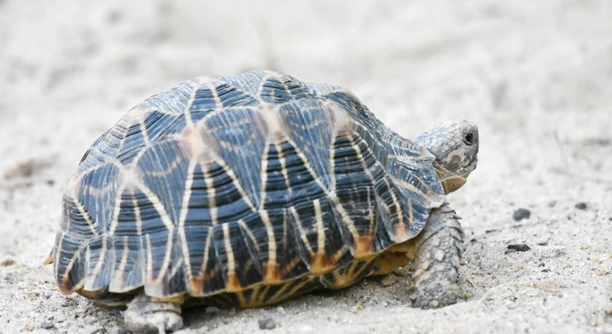
Is your Indian star tortoise struggling with temperature fluctuations in its tank? Maintaining the right environment is essential for its health and well-being. Proper temperature regulation ensures your tortoise stays comfortable, active, and free from potential health issues.
The most effective ways to control the temperature in your Indian star tortoise’s tank include using ceramic heat emitters, under-tank heaters, and thermostats. These methods help maintain consistent warmth, preventing dangerous drops or spikes that could negatively impact your tortoise’s overall health.
Creating a stable environment for your tortoise requires careful adjustments. Understanding how to manage heat sources and airflow will help you maintain the ideal temperature range.
Use a Ceramic Heat Emitter
A ceramic heat emitter is a great way to maintain warmth in your Indian star tortoise’s tank without emitting light. These heaters provide consistent heat, preventing sudden temperature drops. They work well for nighttime heating when additional warmth is needed but light exposure should be minimized. Proper placement ensures even heat distribution.
Choose a ceramic heat emitter with the right wattage for your enclosure size. A thermostat can help regulate the temperature, preventing overheating. Position it at one end of the tank to create a temperature gradient, allowing your tortoise to move between warmer and cooler areas as needed.
Ceramic heat emitters are durable and long-lasting. They produce infrared heat, which penetrates surfaces and helps maintain a stable environment. Unlike traditional heat lamps, they do not disturb your tortoise’s natural day-night cycle. Regularly monitor the temperature to ensure it remains within a safe range.
Use an Under-Tank Heater
Under-tank heaters provide gentle, consistent warmth for your tortoise’s enclosure. They are especially useful in cooler environments where additional heat is necessary.
Attach the heater to the outside bottom of the tank, covering only a portion of the surface. This setup allows your tortoise to regulate its body temperature by moving between heated and unheated areas. A thermostat is essential to prevent overheating.
Under-tank heaters work best when used with a thermostat and a temperature gradient. They help maintain consistent warmth without drying out the air, which is important for your tortoise’s health. These heaters should not cover the entire enclosure, as your tortoise needs cooler areas to regulate its body temperature. Always monitor surface temperatures to avoid overheating. Using an under-tank heater in combination with other heating methods can help you create a well-balanced and comfortable habitat for your tortoise.
Install a Thermostat
A thermostat helps regulate the temperature in your tortoise’s tank by automatically adjusting heat sources. This prevents dangerous fluctuations that could impact your tortoise’s health. Without a thermostat, temperatures may become too high or too low, creating an unsuitable environment for your tortoise.
Choose a thermostat designed for reptile enclosures and connect it to your primary heat source, such as a ceramic heat emitter or an under-tank heater. Set the ideal temperature range, ensuring that the basking area stays warm while the cooler side remains comfortable. Regularly check the thermostat’s accuracy with a separate thermometer to prevent malfunctions.
Thermostats provide consistent temperature control, reducing the risk of overheating or excessive cooling. Digital models with probes offer precise readings, helping you maintain a stable environment. Placing the probe at the right height in the enclosure ensures accurate temperature regulation. A well-regulated habitat keeps your tortoise comfortable and healthy.
Adjust Ventilation and Humidity
Proper ventilation prevents stagnant air and helps regulate temperature. Too little airflow can trap heat, making the enclosure too warm. Conversely, excessive airflow can cause heat loss, leading to cooler conditions. Finding the right balance ensures your tortoise stays comfortable.
Use ventilation holes or mesh panels to improve airflow while preventing excessive heat escape. Adjust their placement based on the temperature inside the tank. Pairing ventilation adjustments with controlled heating elements helps maintain the ideal climate. If the enclosure loses too much heat, partially covering ventilation areas can help retain warmth.
Humidity plays a crucial role in your tortoise’s health. Low humidity can cause dehydration, while excessive humidity encourages mold and bacteria growth. Using a hygrometer allows you to monitor levels and make necessary adjustments. If humidity is too low, misting the enclosure or adding a damp substrate can help. If levels are too high, increasing ventilation or using a dehumidifier may be necessary. Keeping a balance between temperature and humidity creates a healthier environment for your tortoise.
Use a Basking Light
A basking light provides essential warmth and mimics natural sunlight. Position it at one end of the enclosure to create a temperature gradient, allowing your tortoise to regulate its body temperature. Use a timer to maintain a consistent day-night cycle and prevent excessive exposure.
Choose a basking bulb with the correct wattage for your tank size. A temperature gauge ensures the basking area remains warm without overheating. Keep the bulb at a safe distance to avoid burns while still providing sufficient warmth. Regularly inspect the bulb’s function to maintain a stable heat source.
Monitor Temperature with a Digital Thermometer
A digital thermometer provides accurate temperature readings, ensuring your tortoise’s enclosure remains within a safe range. Place thermometers in multiple locations, including the basking and cooler areas, to monitor variations. Checking these readings daily helps identify any sudden changes that could affect your tortoise’s well-being.
Adjust Heating Based on Seasonal Changes
Temperature requirements change with the seasons. During colder months, increase heating elements to maintain warmth. In warmer months, reduce heating or adjust placement to prevent overheating. Regularly monitoring and adapting to seasonal shifts keeps your tortoise comfortable year-round.
FAQ
How do I know if my tortoise’s tank is too hot or too cold?
If your tortoise is constantly trying to escape the tank or showing signs of lethargy, it could be due to incorrect temperature. A basking area that’s too hot can cause dehydration or burns, while a tank that’s too cold can slow metabolism and make your tortoise less active. Use a thermometer to check temperatures regularly and ensure the basking area is around 95°F, while the cooler side should be between 75°F and 85°F.
Can I use a regular heat lamp instead of a ceramic heat emitter?
A regular heat lamp provides light and warmth, but it can interfere with your tortoise’s day-night cycle. A ceramic heat emitter is often preferred because it provides heat without light, maintaining a natural environment for your tortoise to rest. Heat lamps can be used during the day but should be avoided at night.
What is the ideal humidity level for my tortoise’s tank?
The humidity level should generally be between 50% and 60%. Excessively low humidity can cause dehydration, while high humidity levels can create an environment that promotes mold and bacteria growth. Regularly check the humidity with a hygrometer and adjust the humidity accordingly by using a misting system or adjusting ventilation.
Should I use a heating pad or an under-tank heater?
Both heating pads and under-tank heaters are effective, but an under-tank heater is usually preferred. It evenly distributes heat across the bottom of the tank, preventing cold spots. A heating pad can be used for additional warmth but should be monitored to ensure it doesn’t overheat.
Can my tortoise be exposed to temperatures below 70°F?
Exposure to temperatures below 70°F for extended periods can cause stress and health problems for your tortoise. Prolonged cold can slow their metabolism and suppress immune function. Ensure that the temperature stays within the safe range by using a thermostat and adjusting your heating sources as needed.
Is it necessary to have both a basking spot and a cooler area?
Yes, providing both a basking spot and a cooler area allows your tortoise to regulate its body temperature. The basking spot should be the warmest area, around 95°F, and the cooler area should be around 75°F to 85°F. This gradient gives your tortoise control over its environment.
What kind of thermometer should I use for my tortoise’s tank?
A digital thermometer with a probe is the most accurate and reliable for monitoring temperature. Place one thermometer near the basking spot and another in the cooler area to ensure that temperatures are maintained properly across the tank. Avoid using glass thermometers, as they can break easily.
Can I leave my tortoise in direct sunlight for heating?
While direct sunlight can help warm your tortoise, it is not a reliable or consistent source of heat. Sunlight can vary throughout the day and is harder to control. It’s better to use a regulated heat source like a ceramic heat emitter or basking light for stable temperatures.
How often should I check the temperature in my tortoise’s tank?
You should check the temperature at least once a day to ensure that it remains within the correct range. If you notice fluctuations, consider adjusting your heating methods. A consistent environment is important for your tortoise’s health, so regular monitoring is key.
What do I do if my tortoise is showing signs of overheating?
If your tortoise shows signs of overheating, such as excessive panting, lethargy, or a lack of interest in food, immediately move it to a cooler area. Check the tank’s temperature to ensure it is within the recommended range. You may need to adjust your heat sources or thermostat settings.
How do I adjust the temperature at night?
At night, the temperature should drop slightly to mimic natural conditions. The cooler side of the tank can stay around 75°F to 80°F, while the basking area should be turned off. Use a ceramic heat emitter or under-tank heater if additional warmth is necessary during the night.
How can I make sure my tortoise gets enough UVB light?
UVB light is essential for your tortoise’s health, as it helps with calcium absorption and shell growth. Ensure the tank is equipped with a UVB light source that provides the proper UVB spectrum. Position the light near the basking spot but avoid placing it too close to prevent overheating.
Can I use a heat lamp and ceramic heat emitter together?
Yes, a heat lamp and ceramic heat emitter can be used together. The heat lamp should provide warmth during the day, while the ceramic heat emitter can be used at night to maintain a consistent temperature. Just ensure that the tank doesn’t become too hot, and monitor temperatures closely.
What is the best way to create a temperature gradient in the tank?
To create a temperature gradient, place your heat source, such as a basking light or ceramic heat emitter, at one end of the tank. This will create a warm basking area while the other side of the tank remains cooler. Regularly check temperatures to ensure the gradient is consistent and suitable for your tortoise.
Should I use a timer for the heat light?
Using a timer is highly recommended to establish a consistent day-night cycle. The timer will automatically turn the heat light on and off at scheduled times, helping mimic natural daylight and darkness. This also prevents the heat source from staying on too long and overheating the tank.
Final Thoughts
Maintaining the right temperature for your Indian Star Tortoise is crucial for its health and well-being. By ensuring a proper basking spot and creating a temperature gradient, you help your tortoise regulate its body temperature naturally. Regularly checking the temperature with a thermometer and adjusting the heating sources will allow you to provide a stable and safe environment. Additionally, ensuring the humidity level stays within the right range will further contribute to your tortoise’s comfort.
It is important to remember that the needs of your tortoise will change depending on the season. During colder months, you may need to increase the warmth to ensure your tortoise remains active and healthy. Similarly, in warmer months, you may need to reduce heating or adjust the placement of the heat source to prevent overheating. The ability to monitor and adjust the temperature will help your tortoise stay comfortable all year round.
With the right setup, your Indian Star Tortoise will thrive in its habitat. Regular maintenance, such as checking the temperature, adjusting the humidity, and replacing bulbs as needed, ensures that the environment remains optimal. A consistent approach to temperature management promotes your tortoise’s growth, activity, and long-term health. Proper care will not only help maintain your tortoise’s comfort but also prevent common health issues related to improper temperature regulation.

Hello,
If you enjoy the content that we create, please consider saying a "Thank You!" by leaving a tip.
Every little bit helps us continue crafting quality advice that supports the health, happiness, and well-being of pets around the world, for pets of all shapes, sizes, and species.
We really appreciate the kindness and support that you show us!