
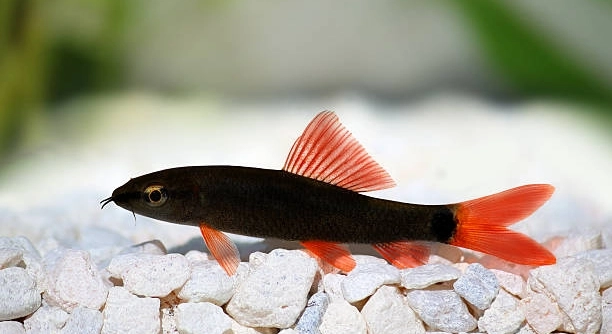
Is your rainbow shark acting strangely, hiding more often, or showing signs of aggression you haven’t noticed before in your tank?
Rainbow shark stress is typically caused by poor water conditions, overcrowding, lack of hiding spaces, or incompatible tank mates. Identifying subtle behavioral and physical changes early can help prevent long-term health problems and improve overall tank harmony.
Understanding what these stress signs look like will help you keep your rainbow shark healthy and ensure your tank stays peaceful.
Unusual Hiding or Isolation
Rainbow sharks are active swimmers that often patrol their territory. If yours is hiding more than usual or staying in one corner, it might be stressed. This behavior can be triggered by changes in water quality, temperature, or the tank layout. New additions to the tank may also cause territorial disputes, especially if space is limited. Stress can cause the shark to retreat and avoid interaction, which is not typical when conditions are right. Monitor their usual behavior patterns closely, as hiding may also indicate injury or early signs of illness. Maintaining proper tank conditions with clean water and stable parameters can often reverse this. Consider rearranging decorations or adding more hiding spots to create a safer environment. Keeping them in a well-structured aquarium with minimal stressors will reduce isolation behavior and support their natural confidence. Isolation isn’t always a concern, but frequent or long-term hiding should be addressed quickly.
Unusual hiding behavior should be taken seriously. Stress-related isolation can lead to weakened immunity and a greater risk of illness.
If you notice your rainbow shark spending more time alone than usual, check the water conditions and observe its tank mates. Stress can develop quickly, and small changes may prevent long-term issues. Consistency in care will improve your shark’s behavior.
Aggression Toward Tank Mates
Aggressive behavior can be a clear sign of stress in rainbow sharks.
When a rainbow shark becomes overly aggressive, it usually means something in the environment is off. These fish can be territorial, but extreme chasing or fin nipping often indicates overcrowding, poor tank design, or incompatible companions. A tank that’s too small doesn’t give them enough room to establish their own space, increasing their anxiety and provoking attacks. Adding more visual barriers like plants, caves, or rocks can reduce aggression by breaking up sightlines and giving each fish its own space. Avoid pairing them with slow swimmers or bottom dwellers, as this can lead to constant conflict. Monitor the tank for any visible injuries or signs of stress in the other fish as well. If aggressive behavior persists, it may be necessary to move tank mates or even isolate the rainbow shark temporarily. Adjusting the tank layout and population can help reset territorial boundaries and return balance to the aquarium.
Loss of Appetite
When a rainbow shark is stressed, one of the first signs may be a sudden lack of interest in food. Skipping meals or spitting food out is not typical and should be addressed quickly.
A healthy rainbow shark usually eats with enthusiasm during feeding times. If yours ignores food or eats very little, stress could be the cause. Changes in water temperature, ammonia spikes, or disruptions to their environment—such as moving decorations or adding new tank mates—can throw them off. Sometimes, the problem might be internal, like parasites or early illness, both of which can be triggered by stress. Ensure the water parameters are stable and feeding times remain consistent. Avoid overfeeding or offering low-quality food. Offer smaller, easier-to-digest portions to see if their appetite returns. Once the root issue is handled, feeding behavior typically improves within a few days. Keep monitoring their food intake to catch signs of recovery.
If stress continues, the shark’s immune system may weaken, leading to long-term health issues. Malnourishment increases vulnerability to diseases and slows recovery from injuries. Watch for weight loss or unusual swimming behavior alongside appetite loss. Feeding should always be predictable and balanced, so disruptions in this pattern are worth investigating immediately. Fixing stress early improves the shark’s chances of a full recovery.
Rapid Gill Movement
Heavy gill movement is often a sign that your rainbow shark is under physical or environmental stress. This includes rapid breathing or staying near the surface, both of which suggest low oxygen levels or toxin exposure.
Check water conditions first. High ammonia or nitrite levels can cause gill irritation, leading to rapid breathing. Poor circulation or low oxygen can make it worse. Make sure your filter and air pump are functioning well, and consider adding an air stone for better aeration. Sudden temperature increases can also reduce oxygen availability, so monitor heat levels regularly. If water tests show issues, do a partial water change right away. Avoid overstocking the tank, as too many fish reduce oxygen and increase waste. You should also look for signs of infection—swollen or discolored gills often point to illness. Treating water quality issues quickly is the best way to slow gill movement and reduce overall stress in your shark.
Faded or Dull Color
Rainbow sharks usually display vibrant colors, especially when they feel secure. When their color fades or turns dull, it’s often a response to stress. Poor lighting, illness, or unstable water conditions can all cause a visible drop in color intensity.
Color changes can also signal fear or discomfort. If the tank setup lacks proper hiding spaces or there’s frequent conflict with tank mates, your shark may respond by fading in color. This is their way of signaling distress. Fixing the environment and reducing tank stressors usually brings their color back.
Erratic Swimming
Erratic swimming in rainbow sharks includes sudden dashing, looping, or staying upside down. These behaviors can be triggered by high nitrate levels, temperature spikes, or a chemical imbalance. Such swimming patterns are not normal and should be addressed immediately to avoid further stress or injury.
Clamped Fins
Clamped fins look tight and folded against the body instead of flowing normally. This is often an early sign of stress. Watch for this subtle change, as it can indicate poor water quality or underlying illness.
FAQ
How can I tell if my rainbow shark is stressed or just being territorial?
Rainbow sharks are naturally territorial, especially as they mature. Mild chasing and defending a specific area in the tank can be normal behavior. However, if the shark is constantly aggressive, shows physical signs like clamped fins, faded color, or avoids eating, it’s likely stress. Watch how often it chases other fish and whether the behavior includes nipping or injury. Stress-related aggression often comes with other symptoms, while territorial behavior usually stays within certain boundaries and doesn’t disrupt feeding or general movement patterns.
What tank size helps reduce stress in rainbow sharks?
A minimum tank size of 55 gallons is best for adult rainbow sharks. Smaller tanks can lead to territorial stress and lack of swimming space. A longer tank allows them to establish territory and roam freely without constant conflict. If you notice pacing, hiding, or aggression in a smaller tank, upgrading the space can make a big difference. Make sure the tank has enough length, not just volume, since rainbow sharks are bottom dwellers that swim horizontally. More space helps balance their territorial behavior and reduces stress over time.
Are rainbow sharks okay with other bottom dwellers?
In most cases, rainbow sharks should not be housed with other bottom dwellers. They are highly territorial and often see fish like loaches, catfish, or other sharks as rivals. This leads to stress and potential injuries. If you want a community setup, choose mid-to-top swimming fish that are quick and peaceful. Fish like danios or barbs can sometimes work, as they avoid the shark’s preferred zone. Always monitor interactions closely, especially in the first few days. Each shark has its own temperament, but it’s safer to avoid other bottom dwellers entirely.
What should I do if my rainbow shark stops eating for several days?
First, check the water conditions. Ammonia, nitrite, or high nitrate levels can quickly affect appetite. If the water is fine, try offering a different food like thawed bloodworms or high-quality sinking pellets to stimulate interest. Stress from recent tank changes or bullying can also cause loss of appetite. Reduce disruptions and make sure the shark has places to retreat. Avoid overfeeding, as leftover food can worsen water quality. If the shark refuses to eat for more than four days, and no water or behavioral improvements help, consider isolating it or consulting a vet.
How often should I check water parameters for a stressed rainbow shark?
Check water parameters at least once a week, and more often if your rainbow shark shows signs of stress. Use a test kit to monitor ammonia, nitrite, nitrate, pH, and temperature. Sudden changes or high toxin levels can lead to stress quickly. A partial water change of 25–30% can help improve conditions. Keep a log to track changes and patterns, especially if your shark is sensitive. Regular testing helps prevent issues before they affect your fish’s behavior and health. Stability is key to reducing stress in rainbow sharks.
Can tank decorations help reduce stress in rainbow sharks?
Yes, decorations play an important role. Caves, rocks, driftwood, and plants help break up sightlines and give your rainbow shark places to claim as territory. This reduces unnecessary chasing and helps the fish feel secure. Avoid large open spaces with nowhere to hide, especially if there are tank mates. A well-decorated tank can reduce stress-related behaviors like hiding, aggression, or erratic swimming. Make sure the decorations are smooth and safe to prevent injury. Rearranging decor occasionally can also reset territorial boundaries if aggression becomes excessive.
Final Thoughts
Caring for a rainbow shark takes patience and attention. These fish are beautiful, active, and full of personality, but they also need the right environment to stay healthy. Stress can affect them quickly, often in ways that are easy to miss. Changes in color, swimming patterns, appetite, and behavior toward tank mates are all signs something might be wrong. Learning how to spot these changes early makes a big difference. A clean, stable tank with plenty of space and hiding spots can help prevent many common stress triggers. Consistency is key, and small improvements in your setup can go a long way.
Stress doesn’t always come from something big. Even small shifts in water temperature, lighting, or tank layout can make your rainbow shark uncomfortable. They’re sensitive to their surroundings and react when things aren’t right. That’s why regular checks of your water parameters, filter function, and general tank condition matter so much. If your shark starts hiding more, showing aggression, or eating less, it’s best to take action quickly. Most problems can be managed before they become serious. The sooner you notice a change, the easier it is to correct the issue and help your fish feel safe again.
Rainbow sharks thrive when their space is respected, and their needs are met. Avoid overcrowding, choose tank mates carefully, and give them areas to explore and hide. If they feel secure, their true colors and behavior will shine. Stress doesn’t just affect the shark—it impacts the entire tank dynamic. A peaceful and well-maintained environment benefits every fish you keep. Keeping your rainbow shark happy isn’t hard, but it does take routine care and a bit of observation. With time, you’ll understand their patterns better and be able to spot issues early. This builds trust and leads to a healthier, more active fish.

Hello,
If you enjoy the content that we create, please consider saying a "Thank You!" by leaving a tip.
Every little bit helps us continue crafting quality advice that supports the health, happiness, and well-being of pets around the world, for pets of all shapes, sizes, and species.
We really appreciate the kindness and support that you show us!