
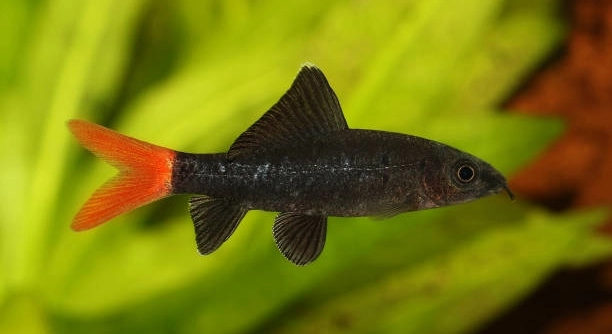
Is your rainbow shark acting differently or spending more time hiding than usual? These subtle changes could be early signs of illness.
The most common signs of a sick rainbow shark include loss of appetite, unusual swimming patterns, faded coloration, clamped fins, and increased hiding behavior. These symptoms can point to stress, poor water quality, or internal infections.
Knowing what to look for early can help you keep your rainbow shark safe, healthy, and thriving in its freshwater environment.
1. Loss of Appetite
When a rainbow shark stops eating or shows less interest in food, it’s often a sign something is wrong. Healthy sharks are usually active feeders, especially during regular feeding times. A sudden change in appetite can be caused by stress, poor water conditions, or illness. It’s important to monitor how much food is left behind after each feeding. Leftover food not only signals a problem but can also lead to ammonia spikes in the tank. Always check that the water temperature, pH, and ammonia levels are stable. Stress from tank mates or lack of hiding spots may also affect their appetite. If the water quality looks fine and your shark still isn’t eating, it may be time to isolate the fish and observe for other symptoms. A rainbow shark’s refusal to eat should never be ignored, as it can quickly lead to weakness and lowered immunity.
Reduced feeding over multiple days should be addressed right away to prevent further decline.
Introduce small portions of high-quality food and keep a close watch on eating habits. Removing uneaten food promptly will help reduce waste buildup and keep the tank cleaner. A well-balanced diet also supports quicker recovery if illness is involved.
2. Unusual Swimming Behavior
Changes in swimming are often one of the first signs of stress or sickness.
A healthy rainbow shark swims steadily and usually patrols its territory at the bottom of the tank. If you notice erratic swimming, floating near the surface, or excessive hiding, these could indicate a health problem. Sickness can interfere with a fish’s buoyancy, making it harder for them to maintain balance. Look for signs like spinning, rubbing against surfaces, or gasping near the top. These behaviors may be linked to poor water quality, parasites, or internal issues. Check for sudden temperature changes, nitrate spikes, or low oxygen levels. A gentle water change might help ease stress, but avoid major fluctuations that could make things worse. If erratic swimming continues, consider separating your rainbow shark into a quarantine tank for further observation. Using a tank light with a timer and maintaining a stable routine can also support more predictable swimming habits.
3. Faded or Dull Coloration
A rainbow shark’s color can fade when it’s under stress or feeling unwell. Bright colors signal good health, while dull or patchy tones often point to a problem. Water conditions and diet play a big role in maintaining vibrant color.
Consistent exposure to poor water quality can weaken the immune system and dull your shark’s appearance. Ammonia, nitrite, or nitrate spikes are common causes. Testing the water regularly is essential. Make sure the temperature is stable, and avoid overcrowding. Stress from aggressive tank mates or constant disruption of territory can also impact their coloring. A stressed fish will often display duller tones, especially along the fins and belly. Introduce live plants and hiding spots to help reduce stress and improve their comfort level. Feed color-enhancing food and keep a regular schedule for lighting and feeding. With stable care, you may see color improvements within a few days.
In some cases, faded color may be caused by internal parasites or bacterial infections. These issues often appear alongside other symptoms, like lack of appetite or strange swimming behavior. If basic care steps don’t help, try moving your shark to a quarantine tank. Begin treatment with anti-parasitic or antibacterial medication, depending on the signs. Always follow dosing instructions carefully.
4. Clamped Fins
Clamped fins are a sign that your rainbow shark is feeling unwell or stressed. Healthy fins should be spread out and slightly moving. If the fins appear tightly closed against the body, something is likely wrong.
Poor water conditions, sudden temperature changes, or low oxygen levels often trigger clamped fins. Ammonia or nitrite build-up irritates the skin and fins, making the shark uncomfortable. It’s also possible your shark is reacting to aggressive tank mates. Sudden light changes, frequent handling, or loud noise can add to the stress. Check the water parameters and perform a partial water change if needed. Improving tank conditions may help the fins return to normal.
If the problem continues, clamped fins may be linked to fin rot or internal infections. Look for white edges, darkened tips, or fraying. These are signs of bacterial issues and may require antibiotic treatment. Isolate the fish if you notice more symptoms developing. Clean the tank and monitor water conditions daily. Keeping stress low and feeding a nutrient-rich diet can support recovery and reduce the chance of the problem spreading.
5. Hiding More Than Usual
Rainbow sharks enjoy having a space to retreat, but excessive hiding often means something is wrong. Illness, poor water quality, or bullying can make them seek shelter more than usual. Observe how often and how long your shark hides.
Sudden changes in tank mates, lighting, or loud sounds can also increase hiding. Stress builds up quickly in small spaces. Make sure your shark has stable surroundings and enough room to swim. If the behavior continues, check for other signs of illness.
6. Labored Breathing or Gasping
Labored breathing or gasping at the surface is a sign your rainbow shark may be struggling with low oxygen levels or gill irritation. Poor water quality, high temperatures, or lack of circulation can quickly affect oxygen levels. Make sure your filter is working properly and consider adding an air stone. Watch closely for signs like flared gills, heavy breathing, or spending too much time near the surface. These signs often show up before other symptoms appear. If your shark continues to struggle, test the water right away and take steps to correct the issue before it worsens.
7. White Spots or Lesions
Small white spots on the body or fins may be an early sign of ich. Treating it early helps prevent spread.
FAQ
What water parameters should I check if my rainbow shark seems sick?
Start with ammonia, nitrite, and nitrate levels—ammonia and nitrite should be at 0 ppm, and nitrates under 40 ppm. Check pH, which should be between 6.5 and 7.5. Water temperature should remain between 75°F and 81°F. Sudden shifts in any of these can cause stress and illness. Test regularly with a liquid test kit rather than strips for more accuracy. Poor water quality is one of the most common causes of stress-related symptoms, so keeping things stable is essential for your shark’s health.
Can rainbow sharks recover from illness on their own?
If the illness is mild and the water conditions are corrected quickly, they may improve without medication. However, ignoring symptoms can make things worse. Early signs like loss of appetite, hiding, or color fading should not be dismissed. A clean tank, low stress, and a high-quality diet may be enough to help a mildly sick shark recover. Still, if symptoms persist or worsen, proper treatment will be necessary. Isolating the shark for closer observation can help prevent the spread of illness and give it time to rest without added stress.
How can I safely isolate a sick rainbow shark?
Use a separate tank with at least 10 gallons of water, a sponge filter, and a heater. Match the water conditions to the main tank as closely as possible to avoid shock. Add a few hiding places using plants or caves. Monitor the shark daily and avoid overfeeding. Medication can be added safely in this controlled environment. After treatment, disinfect any tools before reusing them in the main tank. This setup allows for more focused care and keeps other fish safe from potential infections.
What medications are safe for rainbow sharks?
Look for medications designed for freshwater tropical fish. Common treatments include ich medications with malachite green, anti-parasitic formulas containing praziquantel, and antibacterial products like Maracyn. Always follow dosage instructions carefully. Remove activated carbon from your filter before treating, as it can absorb the medication. If unsure, treat the fish in a quarantine tank to reduce risk. Natural treatments like aquarium salt can help with some mild symptoms, but more serious infections need targeted solutions.
How do I prevent illness in the future?
Keep the tank clean with regular partial water changes—about 25% weekly. Don’t overcrowd the tank, and avoid keeping aggressive species with your rainbow shark. Stick to a consistent feeding and lighting schedule. Use a high-quality filter, test the water weekly, and quarantine any new fish before introducing them. Offer a balanced diet and provide enough space and hiding spots to reduce stress. Avoid sudden changes to temperature or layout. Taking small, regular steps can go a long way in keeping your fish healthy.
What should I feed a sick rainbow shark?
Offer easy-to-digest foods like soaked pellets, thawed frozen bloodworms, or brine shrimp. Avoid overfeeding—small portions once or twice a day are best. Stick to high-protein foods to support strength and healing. Remove uneaten food quickly to prevent spikes in ammonia. During recovery, your shark may not eat much, so focus on water quality and comfort. Once it starts showing interest in food again, you can slowly return to its regular diet.
Is it normal for a rainbow shark to be aggressive?
Rainbow sharks are territorial by nature, especially as they mature. Some aggression is expected, but excessive chasing, biting, or guarding behavior can increase stress and sickness in both the shark and other tank mates. Provide plenty of space—at least a 30-gallon tank—and use rocks or plants to block direct sightlines. Avoid housing more than one rainbow shark unless the tank is very large. Keeping peaceful, fast-swimming tank mates and offering multiple hiding spots will help reduce aggressive behavior.
How often should I clean the tank when my shark is sick?
During illness, it’s important to keep the water extra clean. Perform 20–25% water changes every 2–3 days, depending on how quickly waste builds up. Use a gravel vacuum to remove uneaten food and debris. Make sure the new water is the same temperature and pH as the old water to avoid shock. Clean the filter media gently in tank water once a month to maintain biological balance. Stable water conditions will help your rainbow shark recover faster.
Final Thoughts
Caring for a rainbow shark takes patience, attention, and consistency. When your fish starts showing unusual behavior, it’s important to act quickly and calmly. Early signs of sickness, like hiding more often or losing interest in food, can sometimes go unnoticed. These small changes matter and often point to stress or health problems. Keeping a close eye on your rainbow shark’s daily habits will help you catch problems early. A healthy shark is usually active, alert, and displays bright coloration. If something feels off, trust your instincts and begin checking the basics—like water quality and diet—first.
Creating a stable environment is one of the best ways to prevent illness. Always monitor the water parameters and avoid sudden changes in temperature or tank setup. Use a reliable filter, perform regular water changes, and feed a balanced diet. Also, make sure the tank isn’t overcrowded and that your rainbow shark has plenty of space to swim and hide. Providing hiding spots helps reduce stress, especially when your shark feels overwhelmed or tired. Stress is a major cause of illness in fish, and it often comes from poor water conditions, aggressive tank mates, or inconsistent routines. Keeping things steady will support your shark’s health and overall well-being.
If your rainbow shark does become sick, don’t panic. Start with the simplest steps—check the water, clean the tank, and improve the diet. If symptoms continue or worsen, consider moving the shark to a separate tank for observation and treatment. There are many medications available, but they must be used carefully and only when needed. Treating your fish in a controlled space reduces stress and allows faster recovery. Most importantly, stay patient and give your rainbow shark time to heal. Watching your fish recover is a rewarding part of being a responsible pet owner. With proper care, your rainbow shark can stay healthy and active for many years.

Hello,
If you enjoy the content that we create, please consider saying a "Thank You!" by leaving a tip.
Every little bit helps us continue crafting quality advice that supports the health, happiness, and well-being of pets around the world, for pets of all shapes, sizes, and species.
We really appreciate the kindness and support that you show us!