
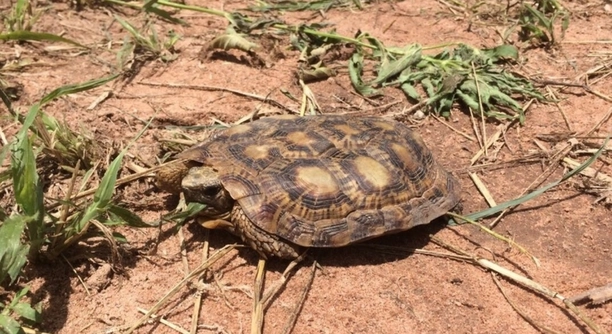
Pancake tortoises are unique and sensitive creatures. Their wellbeing is influenced by various factors, including the stress caused by noise. Reducing noise stress for these fascinating reptiles is important to their overall health and happiness.
Reducing noise stress for pancake tortoises involves minimizing loud sounds and providing a calm environment. Simple steps like soundproofing their enclosures, keeping them in quiet areas, and limiting sudden noises can significantly improve their comfort and reduce stress.
There are easy and practical ways to help these tortoises thrive. Understanding their need for peace and quiet can make all the difference in creating a stress-free environment for them.
Why Noise Stress Affects Pancake Tortoises
Pancake tortoises are naturally quiet animals that thrive in calm environments. Loud noises can cause them significant stress, which may lead to poor health and undesirable behaviors. The key to a healthy tortoise is ensuring they feel safe and secure in their space. These tortoises are particularly sensitive to sound because their hearing range is much wider than humans. Sudden loud sounds, especially those that happen regularly, can be disturbing. Over time, this noise pollution can affect their mood, behavior, and overall well-being. This is why it’s important to be aware of your tortoise’s environment and take steps to minimize noise disruptions.
While it may be tempting to keep your tortoise in an active room, that might not be the best choice. A quieter, more peaceful area will go a long way in reducing stress.
By lowering noise exposure, you help your tortoise avoid feeling threatened or startled. Less stress means fewer health issues, a more active tortoise, and a happier, healthier life. If you create a serene habitat, your tortoise can live its best life.
Quieting Their Environment
Creating a quiet space is essential for reducing noise stress. A peaceful area helps your tortoise feel safe and comfortable. Choosing the right room is key, as some rooms naturally attract more noise than others. Make sure the area is away from high-traffic zones and loud activities.
In a home, the living room or kitchen might not be ideal. It’s better to choose a quiet, low-traffic room. Ensure the area is well-ventilated and free from loud appliances or electronics. A quiet spot near a window could provide a peaceful atmosphere without constant disruptions from people or pets.
Consider adding soft materials, like blankets or carpets, which absorb sound and further minimize noise. This can create a more secure environment for your pancake tortoise, allowing it to feel less anxious. Over time, a calm space will help them adjust and lead to improved health and behavior.
Soundproofing the Enclosure
Soundproofing your tortoise’s enclosure can be a helpful way to reduce noise exposure. Adding materials that block or absorb sound can keep the environment quieter. Foam panels, cork, or even thick fabric can act as barriers to loud sounds.
For the best results, ensure the enclosure is sealed properly to keep outside noise from getting in. Soundproofing doesn’t require heavy construction. A few simple adjustments can make a noticeable difference. Adding extra layers of bedding or insulation material to the walls of their enclosure helps dampen sound. This is an easy way to create a more peaceful setting for your tortoise.
Always be careful not to overheat the enclosure, though. Ensure the space remains well-ventilated, so the tortoise doesn’t experience heat stress. The goal is to provide a quieter, comfortable environment without compromising on temperature or air quality.
Reducing Household Noise
To further protect your tortoise from noise, reduce household disruptions. Turn off loud devices when possible, especially in the same room as your tortoise. Minimizing outside noise, like traffic or construction sounds, is also important for creating a peaceful space.
Simple things, like using quieter appliances or closing windows, can help lower overall noise. Noise from nearby rooms can also be blocked by closing doors or installing thicker curtains. Every small adjustment adds up to a calmer environment for your tortoise.
Avoiding Sudden Loud Noises
Sudden loud sounds, like slamming doors or loud music, can startle your tortoise. These sounds might cause anxiety or stress that affects their health. Always be mindful of any sudden movements or noises around your tortoise’s space.
If possible, avoid playing loud music or making abrupt noises near your tortoise’s enclosure. Slow, calm movements will help your tortoise feel safe.
FAQ
What type of sounds are most stressful for pancake tortoises?
Pancake tortoises are particularly sensitive to sudden, loud sounds like banging doors, loud voices, or loud music. These sounds can startle them, causing stress. Constant or high-pitched noises, such as alarms or beeping electronics, can also affect their comfort. The best way to ensure your tortoise isn’t stressed by sound is to keep their environment quiet, with minimal distractions.
How can I tell if my pancake tortoise is stressed by noise?
Signs that your pancake tortoise may be stressed include hiding more often, staying still for long periods, or moving erratically. They may also show less interest in food or become more aggressive if disturbed. If your tortoise shows these behaviors during loud noises, it’s a sign they are stressed.
Are there any specific noises that pancake tortoises like?
Pancake tortoises generally prefer a quiet environment, but soft, low sounds such as gentle music or calming background noise can sometimes be more soothing than sudden loud noises. The key is to keep it at a low volume and avoid anything that might startle them.
How often should I check the noise level in my tortoise’s environment?
It’s important to regularly assess the noise level around your pancake tortoise. Ideally, this should be done daily, especially if you notice any signs of stress. Check whether there are any loud or disruptive sounds during the day, and adjust the environment as needed.
Is it safe to let my pancake tortoise roam in a room with a lot of noise?
While it’s not recommended to expose your pancake tortoise to a room with constant noise, occasional exposure might be okay, as long as there are quiet spaces available for them to retreat. Over time, exposure to noise may cause stress, so it’s best to limit the time spent in noisy environments.
Can I use a white noise machine for my tortoise?
A white noise machine may help to mask sudden loud sounds, creating a more consistent background noise for your pancake tortoise. This could make the environment feel less unpredictable and reduce stress. However, make sure the volume is low, and always monitor your tortoise to see how they respond.
Should I put my pancake tortoise in a separate room?
Yes, placing your tortoise in a quiet room away from high-traffic areas is one of the best ways to minimize stress. Avoid rooms with TVs, radios, or noisy appliances. Keeping the room calm and peaceful will ensure your tortoise stays comfortable.
Can my tortoise get used to loud noises over time?
Some tortoises may adapt to occasional noise over time, but regular exposure to loud sounds can lead to long-term stress, which negatively affects their health. It’s better to avoid loud environments altogether. If you notice your tortoise becoming more anxious or withdrawn, it’s likely they haven’t adapted to the noise.
How do I create a quiet environment in a shared house?
Creating a quiet environment in a shared house can be challenging but achievable. You can use noise-canceling headphones, close doors, or use rugs and carpets to help absorb sounds. Having a designated area for your tortoise in a quieter part of the house is crucial. Communicate with others in the house about the importance of keeping noise to a minimum.
What are the effects of prolonged noise stress on pancake tortoises?
Prolonged noise stress can lead to a range of issues for pancake tortoises, such as decreased appetite, reduced activity levels, and weakened immune systems. If not addressed, constant stress could result in more severe health problems, such as respiratory issues or digestive disturbances. Creating a quiet space is key to preventing these issues.
Do I need to worry about noise if my tortoise is in a glass enclosure?
Yes, glass enclosures can amplify sound, which could make loud noises even more stressful for your tortoise. Try to place the enclosure in a quieter area, away from high-traffic zones. You can also add sound-dampening materials around the enclosure to help reduce the impact of outside noise.
Can a noisy pet affect my pancake tortoise’s stress level?
Yes, noisy pets like dogs or cats can create a stressful environment for your pancake tortoise. Their barking, meowing, or fast movements can make your tortoise feel unsafe. Keeping your tortoise in a separate, quiet space away from these pets can help reduce stress levels.
Final Thoughts
Creating a quiet environment for your pancake tortoise is essential to their overall well-being. These animals are sensitive to noise, and constant exposure to loud sounds can cause stress, leading to poor health and undesirable behavior. By making simple adjustments, such as moving your tortoise to a quieter room or adding soundproofing to their enclosure, you can help them thrive. Noise levels should always be considered in their environment, as stress can negatively affect their mood, activity, and overall health. Providing a calm and peaceful space will go a long way in ensuring your tortoise’s comfort.
It’s important to remember that pancake tortoises are not the only ones who benefit from a quiet environment. Humans also perform better in peaceful surroundings, and taking the time to create a more harmonious space for your tortoise can also benefit the people in your home. By being mindful of your surroundings and reducing unnecessary noise, everyone, including your tortoise, can enjoy a more relaxed atmosphere.
When caring for your pancake tortoise, always keep in mind that their sensitivity to noise is just one aspect of their care. A balanced habitat includes the right temperature, humidity, and diet. While noise management is crucial, it’s equally important to ensure that your tortoise has the proper space and conditions to live a happy, healthy life. With a little effort, you can easily provide a stress-free environment where your tortoise can feel safe and comfortable.

Hello,
If you enjoy the content that we create, please consider saying a "Thank You!" by leaving a tip.
Every little bit helps us continue crafting quality advice that supports the health, happiness, and well-being of pets around the world, for pets of all shapes, sizes, and species.
We really appreciate the kindness and support that you show us!