
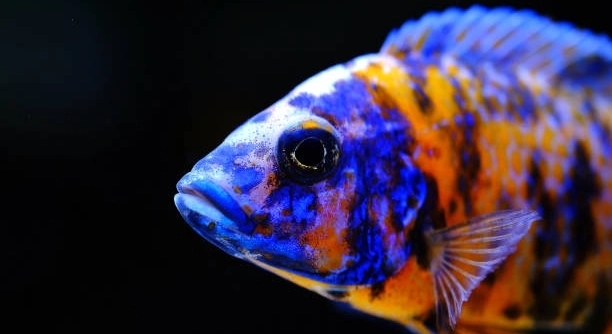
Cichlids are colorful and active fish that thrive in carefully arranged tanks. Rearranging their environment can make their home more stimulating and healthier. Many fish owners enjoy adjusting decorations, rocks, and plants to improve both looks and comfort.
Rearranging a cichlid tank can be done effectively by gradually moving decorations, rocks, and plants while monitoring fish behavior. Keeping hiding spots accessible, maintaining water quality, and avoiding sudden changes help minimize stress and support the overall well-being of the fish.
Making small adjustments can transform your tank into a more engaging environment. Learning simple techniques will help you keep your cichlids happy and thriving.
Choosing the Right Layout
When rearranging a cichlid tank, start by planning a layout that balances open swimming areas with hiding spots. Rocks, driftwood, and plants should be placed in a way that mimics natural environments. Avoid overcrowding the tank, as too many decorations can stress the fish. Consider their size, temperament, and territorial behavior when deciding where to position each element. Some cichlids prefer tall plants for shelter, while others enjoy flat surfaces for resting or breeding. Grouping similar decorations together can create zones that fish recognize as safe. Make sure there are pathways between structures to allow free movement. Lighting and substrate type also affect the overall layout. Experiment with different arrangements gradually, moving one or two items at a time. Observing how your cichlids respond will guide you in refining the design. Over time, a well-thought-out layout promotes natural behaviors, reduces aggression, and creates a visually appealing tank that highlights the fish’s colors.
A good layout provides both comfort and stimulation. Fish are calmer and show more natural behaviors in thoughtfully arranged tanks.
Planning the layout carefully reduces stress and encourages activity. Structured zones allow fish to claim territories and interact with each other safely. Open swimming spaces combined with hiding spots give cichlids options for exploration and retreat. Plants, rocks, and driftwood contribute to environmental enrichment. Gradually introducing changes lets fish adapt without panic. Proper spacing also simplifies tank maintenance, reducing debris buildup and improving water flow. Lighting should highlight the tank’s features without overwhelming the fish. Observing daily behavior helps identify areas that need adjustment. With attention to detail, your tank can become a balanced, functional habitat that supports the health and happiness of your cichlids while enhancing the overall aesthetic appeal.
Rearranging Rocks and Decorations
Move rocks and decorations one at a time to avoid stressing the fish. Monitor reactions closely to ensure comfort.
Repositioning rocks and decorations should consider both aesthetics and fish behavior. Large rocks can serve as territorial markers, while smaller decorations create hiding spots for shy or juvenile cichlids. Avoid stacking items too high, as unstable arrangements can fall and harm fish. Use sand or substrate to stabilize heavier decorations. Rearranging gradually gives fish time to adjust and reduces the chance of aggression. Observe how fish explore the new layout and make further adjustments as needed. Driftwood and plants should complement rock placement, creating natural-looking zones. Consider leaving some familiar objects in their original spots to maintain a sense of security. Balancing new features with existing ones helps prevent stress and allows cichlids to establish territories calmly. Proper placement also improves water circulation and prevents dead zones where debris can accumulate. The right arrangement makes the tank functional, visually appealing, and comfortable for all residents.
Adjusting Plants
Plants should be arranged to provide cover and open areas for swimming. Place taller plants at the back and shorter ones in front to maintain visibility. Avoid overcrowding to allow water flow and light distribution.
Live or artificial plants can be used to create natural hiding spots. Live plants improve water quality by absorbing nitrates and producing oxygen, which benefits the fish. Arrange them so shy or juvenile cichlids have shelter while more confident fish can swim freely. Consider the species’ behavior: some cichlids like to dig around roots, while others prefer dense foliage. Grouping plants in clusters creates zones that feel safe and structured. Avoid placing delicate species where aggressive fish may uproot them. Artificial plants offer flexibility in rearranging without disturbing water chemistry. Monitoring plant growth and trimming when needed keeps the tank tidy and maintains a balanced environment. Proper plant placement contributes to both aesthetics and fish well-being.
Plants should complement decorations and rocks, forming zones that cichlids recognize as safe. Balanced arrangements reduce stress and encourage natural exploration.
Maintaining Open Swimming Areas
Open swimming areas give cichlids freedom to move and display natural behavior. Avoid cluttering the tank with too many items that block paths.
Free space in the tank allows active fish to swim without restriction, reducing stress and aggression. Overcrowded tanks can lead to territorial disputes and inhibit normal movement. Arrange decorations and plants along the edges or in corners to maximize central swimming areas. Open areas also help with water circulation, preventing dead spots where debris accumulates. Observing fish activity can guide adjustments, ensuring each cichlid has room to establish a territory. Providing varied terrain, such as gentle slopes or sandy patches, encourages exploration while maintaining open zones. Adequate swimming space contributes to health, energy levels, and overall fish behavior.
Open areas should balance the tank layout, allowing fish to explore while interacting safely. Thoughtful spacing improves tank dynamics and overall well-being.
Using Substrate Effectively
Choose a substrate that suits your cichlids’ behavior, such as sand for digging species or fine gravel for others. Keep it clean and level to avoid stress and maintain water quality.
Layering substrate with varied textures can create natural zones. Avoid sharp edges that may injure fish while digging or resting.
Creating Hiding Spots
Rocks, caves, and dense plant clusters provide essential hiding spots. Position them where shy fish can retreat safely without blocking main swimming areas.
Monitoring Fish Behavior
Observe how cichlids interact with the new layout. Watch for signs of stress, aggression, or hesitation when exploring unfamiliar areas.
Balancing Light and Shade
Provide areas of both bright light and shaded cover. This balance helps fish regulate activity, reduces stress, and supports natural behavior.
How often should I rearrange my cichlid tank?
Rearranging your cichlid tank should be done gradually and only when necessary. Frequent or sudden changes can stress fish and cause aggression. Many owners adjust layouts every few months or when adding new fish or decorations. Minor adjustments, like moving a plant or rock slightly, are safe if done slowly. Observing fish reactions after each change is important. Avoid changing everything at once, as this can make fish feel insecure and trigger territorial disputes. Gradual rearrangement helps fish adapt while keeping the tank interesting and stimulating.
Can I move all decorations at once?
Moving all decorations at once is not recommended. Cichlids are territorial, and sudden changes can cause stress or fighting. Instead, move one or two items at a time and watch how fish respond. This method allows them to reestablish territories calmly and reduces aggression. Fish need familiar landmarks to feel secure, so completely changing the tank layout can confuse them. Gradual changes let fish explore new areas safely while retaining some comfort from familiar spots. Over time, you can slowly adjust the tank while maintaining a balanced environment.
Are live plants better than artificial plants?
Live plants have advantages over artificial ones. They improve water quality by absorbing nitrates, produce oxygen, and provide a natural hiding place for cichlids. Some cichlids enjoy interacting with live plants, like digging around roots or grazing on leaves. Artificial plants are easier to maintain and can be rearranged without affecting water chemistry. A mix of both can work well, giving fish hiding spots while reducing maintenance. Choose plants that suit the species in your tank, considering size, root structure, and durability against digging or nibbling. Regular care ensures plants remain healthy and supportive of your cichlids.
How do I prevent aggression during rearrangement?
Aggression can spike during tank changes because cichlids are territorial. To prevent this, move decorations gradually and provide multiple hiding spots. Keep an eye on dominant fish and separate overly aggressive individuals if needed. Avoid rearranging during feeding times, as this can increase stress. Observing fish behavior allows you to respond quickly to disputes. Open swimming areas help reduce conflicts, and leaving some familiar objects in place provides a sense of security. Gradual adjustments and monitoring ensure a calmer environment and minimize territorial fights.
Should I change substrate when rearranging?
Changing substrate should be done carefully. Cichlids often dig and mark territory, so sudden substrate changes can cause stress. If you need to replace it, do it gradually or in sections, allowing fish to adjust to the new surface. Fine sand is suitable for digging species, while smooth gravel works for others. Avoid sharp edges that may injure fish during digging. Clean new substrate thoroughly before adding it, and maintain consistent water conditions during the change. Proper substrate management supports natural behavior while keeping the tank safe and healthy.
How can I make hiding spots more effective?
Hiding spots should feel secure and be placed in quiet areas of the tank. Rocks, caves, and dense plants work best. Ensure entrances are wide enough for fish to enter easily and avoid placing hiding spots directly in high-traffic swimming areas. Multiple hiding spots reduce competition and allow shy fish to retreat. Grouping similar decorations creates zones that feel natural and safe. Observe which areas fish use most and adjust if some spots are ignored. Well-planned hiding areas reduce stress, encourage natural behavior, and improve overall tank harmony.
Is lighting important when rearranging the tank?
Lighting affects fish behavior and plant growth. Provide bright areas for visual appeal and shaded areas for retreat. Too much direct light can stress shy cichlids, while insufficient light can limit plant growth and reduce tank aesthetics. Adjust lighting to highlight key decorations while keeping other zones dim. Natural light exposure should be limited to prevent algae overgrowth. Using a timer ensures consistent day and night cycles, which helps fish regulate activity. Balanced lighting enhances the tank environment, supports healthy plants, and creates a comfortable space for cichlids to explore safely.
How long should I wait to observe results after rearrangement?
After moving decorations or plants, wait several days to monitor fish behavior. Immediate reactions may include hesitation or hiding, which is normal. Gradual observation allows you to notice territorial disputes, stress signs, or preferred swimming areas. Adjust further only if problems persist. Frequent monitoring ensures changes benefit fish health and comfort. Patience during this period reduces stress and allows cichlids to adapt naturally to the new layout. Over time, fish will establish territories and interact confidently in the rearranged environment.
Rearranging a cichlid tank can make a big difference in the health and happiness of your fish. A well-organized tank allows fish to swim freely, explore, and interact safely with each other. By carefully placing rocks, plants, and decorations, you create areas where fish can hide, rest, and establish territories. Each species has different needs, so understanding their natural behavior is important when planning the layout. Digging cichlids need soft sand to burrow, while others prefer rocky areas to claim as their territory. Observing your fish closely while making changes ensures they are comfortable and not stressed. Gradual adjustments help them adapt, and even small improvements can lead to noticeable changes in behavior and overall well-being. A thoughtful tank setup also improves water flow, reduces dead spots, and makes maintenance easier, which benefits both the fish and the owner.
Keeping open swimming areas is just as important as providing hiding spots. Fish need room to move, chase, and display natural behavior. Overcrowding or placing too many decorations in the center of the tank can limit swimming space and increase aggression among fish. When arranging plants, place taller ones at the back and shorter ones in the front to maintain visibility and light distribution. Multiple hiding spots reduce stress, especially for shy or juvenile cichlids, and allow more confident fish to claim territories without constant conflict. Substrate choice also matters; soft sand is ideal for digging, while smooth gravel works for other species. Balanced lighting, with both bright and shaded areas, helps fish regulate activity and supports plant growth. Paying attention to these details creates a stable and comfortable environment, reducing stress and encouraging natural behaviors that make your cichlids more active and vibrant.
Monitoring fish behavior is key throughout the rearrangement process. Watch for signs of stress, aggression, or hesitation as fish explore new areas. Gradual changes let them establish territories and feel secure, while sudden alterations can lead to confusion or conflict. Regular observation also helps you notice which decorations, plants, or hiding spots are preferred, allowing you to adjust the layout accordingly. Even minor adjustments, such as moving a rock or adding a plant cluster, can improve tank balance and make the environment more engaging. Over time, a carefully arranged tank provides both aesthetic appeal and functional benefits, supporting the health, comfort, and natural behavior of your cichlids. With patience and attention to detail, rearranging a cichlid tank becomes a manageable process that enhances the overall quality of life for your fish and creates a visually pleasing aquatic environment.

Hello,
If you enjoy the content that we create, please consider saying a "Thank You!" by leaving a tip.
Every little bit helps us continue crafting quality advice that supports the health, happiness, and well-being of pets around the world, for pets of all shapes, sizes, and species.
We really appreciate the kindness and support that you show us!