
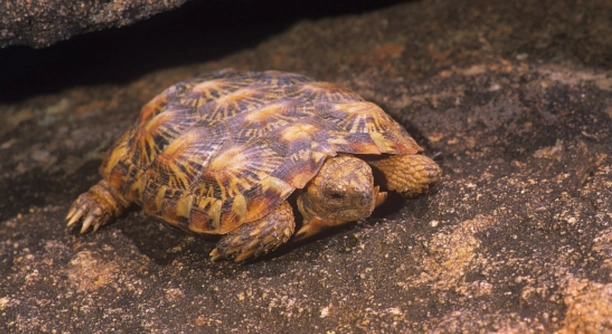
Pancake tortoises are unique and fascinating pets, but like all reptiles, they can be vulnerable to parasites. Maintaining their health is important, and preventing parasites plays a big role in their overall well-being.
The best way to prevent parasites in pancake tortoises is by maintaining a clean habitat, providing a proper diet, and monitoring their health regularly. Ensuring their environment is free of parasites will help keep your pet safe from potential infections.
With the right care and knowledge, you can help protect your pancake tortoise from common parasitic threats. Learning how to create the healthiest environment will ensure their safety and happiness.
Maintain a Clean Habitat
Keeping your pancake tortoise’s habitat clean is one of the most effective ways to prevent parasites. Regularly clean the enclosure, including the substrate, food bowls, and water dishes. Parasites thrive in dirty environments, so it’s important to remove any waste, uneaten food, and mold. This helps reduce the chances of contamination. If you spot any pests, remove them immediately. The use of disinfectants safe for reptiles can also help keep parasites at bay. Pay attention to the temperature and humidity levels, as they play a significant role in preventing the growth of harmful organisms.
The cleanliness of your tortoise’s home directly impacts its health. A well-maintained habitat is key to keeping parasites away.
Regularly check for mold or any signs of pests. A clean environment ensures your tortoise stays healthy and minimizes the risk of infections. This also creates a more comfortable space for them to thrive. Make cleaning part of your routine to keep things in check.
Provide a Balanced Diet
Feeding your pancake tortoise a well-rounded diet can help prevent parasitic infections. A proper diet strengthens their immune system, allowing them to fight off potential threats more effectively. Fresh greens, occasional fruits, and safe proteins should be part of their meals. Avoid feeding them spoiled or rotten food, as it can harbor harmful bacteria or parasites. Make sure their food is free from pesticides by rinsing it thoroughly. A balanced diet also ensures they have the energy needed for their daily activities, supporting their overall health and preventing stress, which could make them more vulnerable to parasites.
A healthy diet also supports their digestion and helps maintain a strong immune system, reducing the likelihood of parasite growth. Keep their food fresh and nutritious for the best results.
Feeding them foods like leafy greens and avoiding overfeeding with high-protein items can help maintain their digestive system. Keep an eye on what they eat to prevent any chances of contamination.
Regular Health Check-ups
Regular health check-ups are essential for spotting any early signs of parasitic infections. Even if your pancake tortoise seems healthy, it’s worth taking them to a reptile vet for routine exams. These check-ups help identify any hidden issues before they become serious. If you notice any change in behavior or appetite, it’s best to consult a vet promptly.
Veterinarians can perform tests to detect parasites, even when they aren’t visible. They may recommend fecal exams or blood tests to ensure your tortoise is free from internal parasites. Staying proactive helps catch any problems early and keeps your tortoise in top shape.
Monitoring their behavior closely is just as important as the vet check-ups. If your tortoise becomes lethargic, loses weight, or has unusual shell or skin changes, these could be signs of parasites or other health issues. Catching problems early through regular check-ups can prevent parasites from taking a heavy toll on their health.
Control the Environment’s Humidity
Humidity plays a crucial role in the overall health of your pancake tortoise. Too much moisture can create an ideal environment for parasites to thrive. On the other hand, low humidity can cause stress, making your tortoise more susceptible to infections. Find the right balance by monitoring humidity levels closely.
By using a hygrometer, you can easily track the humidity and adjust accordingly. Aim for a moderate level, as extreme conditions on either side can harm your tortoise. Maintaining a stable, suitable level of humidity is one of the simplest ways to avoid creating a breeding ground for parasites.
If the humidity is too high, it’s important to ventilate the enclosure well to prevent mold or fungal growth. Adjusting the water dish or misting routine can help balance the moisture levels. This way, you protect your tortoise from conditions that encourage parasite development.
Avoid Wild Caught Food
Feeding your pancake tortoise wild-caught food can introduce parasites into their diet. Wild insects, plants, and other food sources may carry harmful parasites that could infect your tortoise. Always be cautious about where the food comes from to avoid bringing outside contaminants into their environment.
Even though wild food may seem like a natural option, it often comes with hidden risks. Parasites from wild plants or animals can be easily transferred, affecting your tortoise’s health. It’s safer to stick with store-bought food that is properly cleaned and free of contaminants.
Proper Quarantine for New Tortoises
When introducing a new pancake tortoise into your collection, quarantine is a must. Keeping the new tortoise isolated for a few weeks allows you to observe its health without risking the spread of parasites to other pets. During quarantine, monitor for any signs of illness.
A separate enclosure helps prevent the potential spread of parasites that may not be visible yet. It’s also a good idea to clean and disinfect the new tortoise’s habitat regularly. By taking these precautions, you reduce the risk of cross-contamination between your tortoises.
Keep Enclosure Free of Pests
It’s important to regularly check your tortoise’s enclosure for any pests, such as mites, beetles, or ants. These pests can carry parasites and cause harm to your tortoise. Regularly inspect all areas to ensure their habitat is pest-free and safe.
FAQ
What are the signs that my pancake tortoise has a parasite?
The most common signs of a parasitic infection in pancake tortoises include weight loss, lack of appetite, lethargy, and changes in their stool, such as diarrhea or unusual consistency. You may also notice abnormal behavior, like hiding more than usual. If your tortoise is scratching excessively or appears irritated, it could be a sign of external parasites like mites. Check for any signs of bloating or skin lesions, as these can also indicate an issue. If you notice these signs, it’s best to consult a reptile vet for a proper diagnosis.
How often should I clean my pancake tortoise’s habitat?
You should clean your tortoise’s habitat at least once a week, but spot cleaning should be done daily. Remove any uneaten food, waste, and debris regularly to keep the environment clean. Disinfect the enclosure with reptile-safe cleaning products every couple of weeks to prevent bacteria or parasites from building up. Make sure to replace the substrate as needed, and always check for any signs of pests or mold. Keeping the habitat clean is essential in preventing parasites and maintaining a healthy environment for your tortoise.
Can I use wild-caught food for my pancake tortoise?
It’s not recommended to feed wild-caught food to your pancake tortoise, as it may carry parasites or other harmful pathogens. Wild insects, plants, and even small animals can be infected, which could potentially spread to your tortoise. If you do decide to feed wild food, make sure it’s properly cleaned and inspected for any signs of contamination. To be safe, stick to store-bought food that’s specifically designed for reptiles. These options are generally free from parasites and contaminants.
How do I properly quarantine a new tortoise?
When you bring a new tortoise home, quarantine it for at least 30 days before introducing it to other pets. Set up a separate enclosure that is easy to clean and disinfect. During this period, monitor the tortoise for any signs of illness or parasites, such as unusual behavior, appetite loss, or stool changes. Keep the new tortoise away from other reptiles to prevent cross-contamination. Disinfect any items used in the quarantine area before transferring them to the main enclosure. If the new tortoise shows no signs of illness after the quarantine period, it can be safely introduced to the group.
What’s the best way to reduce the risk of parasites in my tortoise’s environment?
To reduce the risk of parasites, maintain a clean and dry environment. Regularly clean the enclosure, food and water dishes, and any other items your tortoise uses. Ensure the humidity and temperature are appropriate to discourage the growth of parasites. Remove any waste daily and clean the entire enclosure with reptile-safe disinfectant weekly. Be cautious when handling wild-caught food, as it may introduce parasites. Regularly check your tortoise’s skin and shell for any external parasites like mites or ticks. Keeping the habitat clean and controlled will significantly reduce the risk of parasites.
How can I prevent external parasites like mites or ticks?
To prevent external parasites, inspect your tortoise regularly for any signs of mites or ticks. These can often be found in the folds of the skin or along the edges of the shell. If you notice any pests, carefully remove them and clean the area with a soft cloth. Make sure your tortoise’s habitat is free of pests by maintaining proper cleanliness. If you find any external parasites, consult a vet for treatment, as some might require specific medications. It’s also important to avoid introducing new pets into the environment without a quarantine period, as they could bring external parasites.
What should I do if I suspect my tortoise has a parasite infection?
If you suspect your tortoise has a parasitic infection, the first step is to consult a reptile vet. They can perform a fecal exam or other diagnostic tests to identify the type of parasite. Based on the results, the vet will recommend a treatment plan, which may include medications or adjustments to your tortoise’s diet and habitat. Don’t try to treat parasites on your own, as improper treatments can harm your tortoise. Early intervention is key to preventing more severe health issues, so seek professional help as soon as possible.
Can parasites be prevented with medication?
While there are medications available to treat existing parasite infections, the best way to prevent parasites is through proper habitat maintenance, diet, and hygiene. Some vets may recommend preventative deworming treatments or other parasite preventatives, but these are typically used in specific situations. It’s important to follow your vet’s guidance when it comes to medication and not rely solely on it to keep parasites away. The most effective prevention is to create a healthy environment and keep your tortoise’s immune system strong.
Are there natural ways to prevent parasites in pancake tortoises?
While there are no completely natural methods to prevent parasites, maintaining a healthy and clean environment goes a long way in reducing the risk. Regular cleaning, proper diet, and temperature control are essential in keeping your tortoise free from parasites. Some owners also use natural remedies like adding beneficial bacteria to the enclosure to support a healthy microbiome, but this should be done with caution and under a vet’s advice. The best natural method remains regular maintenance of your tortoise’s habitat and food to minimize exposure to parasites.
How do I know if my tortoise’s food is contaminated?
Contaminated food can sometimes be difficult to spot, but there are a few signs to look for. Any food that appears moldy, wilted, or rotten should be discarded. Fresh food should be rinsed thoroughly before feeding it to your tortoise, especially if it’s not from a trusted source. Inspect all food for pests or dirt that may carry harmful bacteria or parasites. If you’re unsure, it’s safer to buy pre-packaged tortoise food from a reputable pet store. This ensures the food is safe and free from contamination.
Final Thoughts
Taking the right steps to prevent parasites in your pancake tortoise is crucial for maintaining its health. Keeping its environment clean, providing a proper diet, and monitoring its behavior regularly can significantly reduce the risk of infection. Simple things, like making sure its habitat stays free of pests and cleaning the enclosure often, can go a long way. By staying on top of these habits, you help create a safe and healthy space where your tortoise can thrive. Keeping their health in check helps ensure they stay active and happy for years to come.
In addition to maintaining a clean environment, it’s important to be aware of the signs of parasitic infections. If you notice any unusual behavior or changes in your tortoise’s appearance, it may be time to consult a vet. Regular health check-ups are vital to catch any potential issues before they become more serious. Even if your tortoise seems perfectly fine, routine exams can help catch problems early. A healthy tortoise not only looks good but also lives a longer, more comfortable life.
While preventing parasites may seem like a lot of work, it doesn’t have to be overwhelming. With a little effort and attention to detail, you can help ensure your pancake tortoise remains parasite-free. Staying proactive with cleaning, diet, and health check-ups will prevent most issues. In the end, it’s all about providing the best care possible, so your tortoise can live a healthy, happy life. By taking these simple precautions, you can feel confident that you’re doing your best to protect your pet from parasitic infections.

Hello,
If you enjoy the content that we create, please consider saying a "Thank You!" by leaving a tip.
Every little bit helps us continue crafting quality advice that supports the health, happiness, and well-being of pets around the world, for pets of all shapes, sizes, and species.
We really appreciate the kindness and support that you show us!