
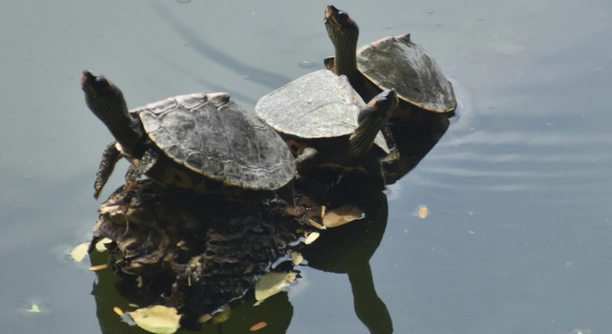
Are you looking for ways to keep your Indian Roofed Tortoise entertained and active?
Preventing boredom in an Indian Roofed Tortoise requires consistent stimulation through a variety of activities and environmental enrichment. Simple additions to their habitat and routine can enhance their mental and physical well-being, keeping them engaged.
By exploring different activities, you can ensure your tortoise remains active, healthy, and happy. This will benefit both you and your pet.
1. Create a Stimulating Environment
An enriched environment is key to preventing boredom in an Indian Roofed Tortoise. These creatures naturally roam in search of food and shelter, so replicating that in their enclosure will keep them more active. You can start by adding various textures, such as rocks, logs, and plants. Providing hiding spots will help them feel secure while encouraging exploration. Ensure there is enough space for them to roam freely and hide when they want to retreat.
This setup mimics their natural habitat and gives them mental stimulation. You should also consider adding a shallow water dish, as they enjoy soaking. The variety of textures and hiding spaces will make their habitat more interesting and encourage them to stay active throughout the day.
To make things even more exciting for your tortoise, consider rearranging the elements every few weeks. This small change in their environment can make the space feel new and engaging. A stimulating environment is one of the easiest ways to keep your tortoise entertained while promoting overall well-being.
2. Offer a Variety of Food
Varied food choices are another great way to prevent boredom. Indian Roofed Tortoises have different preferences, so providing a range of fruits, vegetables, and leafy greens will keep their meals interesting. You can also add some edible flowers to spice up their diet.
Introducing different textures, colors, and shapes helps maintain their curiosity. For example, lettuce can be offered alongside cucumber or dandelion greens. These small changes in their meals make feeding time exciting and prevent them from getting bored with the same food every day.
To keep them engaged, you can also hide food in different places around their enclosure. This encourages foraging behavior, which is a natural instinct for tortoises. Placing food in different spots keeps them moving and searching, helping prevent stagnation in their routine.
3. Provide Space to Roam
A spacious enclosure gives your Indian Roofed Tortoise the freedom to explore. Having room to move around prevents them from feeling restricted or stressed. A larger habitat allows for more environmental enrichment and variety, helping them stay active and engaged.
When setting up their space, make sure it’s big enough for your tortoise to walk around without bumping into walls or obstacles. A good rule of thumb is to have at least 4×4 feet of space for an adult tortoise. This allows them to freely roam, dig, and explore at their own pace, which keeps them from getting bored.
If your tortoise seems restless or sluggish, it could be because the space is too small. Consider expanding their enclosure or allowing them supervised time outside of it, so they can explore in a safe area. More space will encourage them to move, discover new areas, and remain mentally stimulated.
4. Offer Climbing Opportunities
Climbing structures can add another layer of enrichment to your tortoise’s environment. Indian Roofed Tortoises are naturally curious and may enjoy the challenge of navigating small hills, rocks, or logs. Climbing helps them develop physical strength and keeps their muscles toned.
Consider adding logs, flat rocks, or even a low ramp to their habitat. These climbing features can mimic the uneven terrain they would experience in the wild. It’s also a great way to keep them active, as they’ll likely spend time exploring new areas and testing their abilities.
However, make sure that the climbing structures are safe and won’t cause injury. Avoid sharp edges or unstable objects that could topple. Offering climbing opportunities gives your tortoise a chance to stay engaged, improving both their physical and mental health while reducing boredom.
5. Keep a Regular Routine
Consistency is important for your Indian Roofed Tortoise. Having a regular feeding and activity schedule will help them feel secure and reduce stress. A predictable routine keeps their mind active and gives them something to look forward to every day.
By feeding them at the same time each day and offering different activities or enrichment regularly, you create a sense of stability. This routine also allows you to observe their behavior closely, noticing any signs of boredom or changes in their activity levels. Adjusting the routine when needed ensures they stay engaged and happy.
A regular schedule makes your tortoise’s daily life more structured and satisfying. Over time, they’ll become accustomed to their routine, reducing stress and helping prevent feelings of boredom.
6. Introduce Social Interaction
Social interaction with you or other pets can offer mental stimulation for your Indian Roofed Tortoise. Spending time together, whether through gentle handling or simply being near them, can keep their mind engaged and improve their social behavior.
When interacting with your tortoise, try to be calm and gentle. Tortoises can learn to recognize their owners and even show signs of affection over time. You can also introduce them to other calm, non-threatening pets for added interaction, though be careful not to stress them out. Social time helps break the monotony of their day.
7. Rotate Enrichment Items
Switching up enrichment items keeps your Indian Roofed Tortoise interested. Introducing new items like toys, different textures, or even branches to climb can make their environment feel fresh. Regularly rotating these items prevents them from losing interest in the same old objects.
FAQ
How can I tell if my Indian Roofed Tortoise is bored?
A bored tortoise might exhibit signs of lethargy or disinterest. If your tortoise is spending long periods hiding or not moving much, it could be a sign they are not getting enough mental or physical stimulation. You might also notice them pacing or repeatedly digging in one spot. These behaviors often indicate that they need more variety or space in their environment. Observe their interactions with food, toys, and enrichment activities to see if they are engaging with them or simply ignoring them.
What temperature should I keep my tortoise’s habitat at?
Maintaining the right temperature is crucial for your tortoise’s health and activity levels. Indian Roofed Tortoises need a basking area with temperatures between 90-95°F and a cooler area around 75-80°F. This temperature difference allows them to regulate their body heat and stay active. Ensure that the basking light is placed in a way that your tortoise can move in and out of the heat as needed. A proper temperature range helps to prevent lethargy and encourages natural behaviors, including feeding and exploring.
Can I let my Indian Roofed Tortoise roam around outside?
Yes, your tortoise can enjoy some time outside, as long as it’s a safe environment. The outdoor area should be free of predators, sharp objects, or other hazards that could harm your tortoise. Make sure to monitor them while they roam, as tortoises can get lost or find themselves in dangerous situations. The weather should also be suitable for them—avoid letting your tortoise roam outside during extreme heat or cold. A secure, enclosed area with natural elements like grass or soil will provide an enriching experience for your tortoise.
How much space does my tortoise need?
Indian Roofed Tortoises thrive in large enclosures where they can move freely. For an adult tortoise, the minimum space should be around 4×4 feet, though larger is always better. More space allows for greater variety in their environment, helping to keep them mentally and physically stimulated. The enclosure should have room for climbing, hiding, and foraging. If you’re keeping more than one tortoise, consider even more space to avoid territorial disputes. The bigger the enclosure, the more opportunities your tortoise will have to explore and stay active.
Can I keep multiple tortoises together?
While it’s possible to keep multiple tortoises together, it’s important to ensure they have enough space and resources to avoid stress or aggression. Indian Roofed Tortoises can sometimes be territorial, especially males. If you’re keeping more than one, make sure there are enough hiding spots, food, and basking areas for each tortoise. Monitor their interactions closely for any signs of aggression or competition for space. If necessary, separate them into different enclosures to prevent stress or injury.
What should I feed my Indian Roofed Tortoise?
Indian Roofed Tortoises are herbivores and need a diet high in fiber. Provide a variety of leafy greens, such as dandelion greens, collard greens, and mustard greens. You can also offer other vegetables like squash, bell peppers, and carrots in moderation. Fruits like apples, strawberries, and melon are great occasional treats but should not make up the bulk of their diet. Be sure to provide calcium-rich foods and supplement their diet with a calcium source to support healthy shell growth. Avoid feeding them high-oxalate vegetables like spinach, as they can interfere with calcium absorption.
Is it safe to handle my tortoise?
Handling your tortoise occasionally is fine, but it should always be done gently. Too much handling can cause stress, as tortoises are not as social as some other pets. If you handle your tortoise, try to do so only when necessary, such as for cleaning or moving them to a new location. Always support their body properly and avoid picking them up by the shell, as this can cause discomfort. Over time, your tortoise may become more accustomed to your presence, but always respect their space and don’t force interaction.
How do I keep my tortoise’s shell healthy?
A healthy shell is crucial for your tortoise’s well-being. To keep it in good condition, ensure they have a proper diet rich in calcium, vitamin D3, and fiber. Exposure to UVB light is essential for shell growth and overall health. This can be achieved by providing natural sunlight or using a UVB light in their enclosure. Regular soaking in shallow, warm water can also help keep their skin and shell hydrated. If you notice any cracks, softness, or unusual changes in the shell, consult a vet immediately, as these could be signs of health issues.
Can I use a glass tank for my tortoise’s habitat?
While a glass tank can work, it’s generally not the best option for an Indian Roofed Tortoise. Glass tanks often limit ventilation, leading to humidity levels that can be too high. A well-ventilated wooden or plastic enclosure might be a better option, allowing more airflow. Glass tanks can also be difficult to modify for larger tortoises, and the lack of floor space can hinder their ability to roam. If you do use a glass tank, make sure it is large enough and that you can control temperature and humidity effectively.
What type of lighting does my tortoise need?
UVB lighting is essential for your tortoise to metabolize calcium and maintain a healthy shell. Without UVB light, they may develop metabolic bone disease. You should provide a UVB light source for 10-12 hours a day, especially if they are kept indoors. Additionally, basking lights with heat are necessary to create a warm spot for your tortoise to absorb the light. Be sure to replace UVB bulbs every 6-12 months, as their effectiveness decreases over time.
Final Thoughts
Caring for an Indian Roofed Tortoise can be a rewarding experience, but it requires effort and attention to detail. Preventing boredom is one of the most important aspects of ensuring your tortoise stays happy and healthy. By creating an engaging environment, offering a variety of foods, and providing enough space for exploration, you can help keep your tortoise active and mentally stimulated. Just like any pet, they need regular attention and care, so staying on top of their needs will lead to a fulfilling and long-lasting bond.
It’s also essential to remember that every tortoise is different. Some may enjoy more interaction with you, while others prefer to be left alone. Pay attention to your tortoise’s behavior, as it can tell you a lot about what they need. If they seem tired, stressed, or uninterested in their environment, it may be time to make adjustments. Simple things like rearranging their space, introducing new objects, or adding climbing opportunities can make a big difference. Keeping their routine consistent and offering regular social interaction can also help them thrive.
Lastly, your tortoise’s health should always be a priority. Ensure that their habitat is set up correctly, with the right temperature, lighting, and humidity. A healthy diet and proper shell care are also important. Regular vet visits and paying attention to their physical and mental well-being will help prevent long-term issues. By following these steps, your tortoise will be better equipped to live a content, enriched life, free from boredom and stress. With proper care and attention, your Indian Roofed Tortoise can bring joy and companionship for many years to come.

Hello,
If you enjoy the content that we create, please consider saying a "Thank You!" by leaving a tip.
Every little bit helps us continue crafting quality advice that supports the health, happiness, and well-being of pets around the world, for pets of all shapes, sizes, and species.
We really appreciate the kindness and support that you show us!