
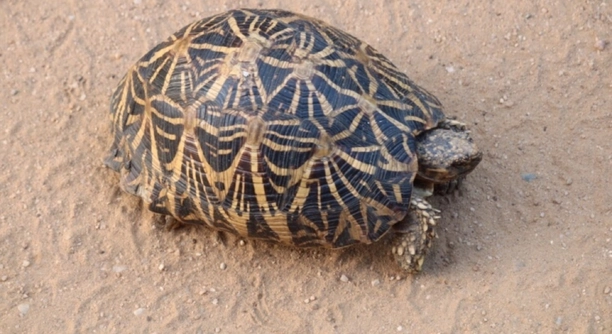
Creating a secure environment for your Indian Star Tortoise is essential for its well-being. By ensuring that your pet feels comfortable and safe, you promote both its physical and mental health. Here are some simple steps to help.
To make your Indian Star Tortoise feel safe and secure, provide a suitable enclosure with proper lighting, temperature, and humidity. Regularly clean its habitat and offer hiding spots to reduce stress. A balanced diet and gentle handling contribute to its overall sense of security.
These tips can be easily implemented, ensuring your tortoise stays happy and comfortable in its home.
Create a Proper Habitat
A secure and comfortable habitat is essential for your Indian Star Tortoise. The enclosure should be spacious enough for it to move freely and explore. Use a sturdy tank or outdoor pen, ensuring it is escape-proof. A temperature gradient should be maintained, with a basking spot of around 90°F and a cooler area of 75°F. Providing proper UVB lighting is critical for its health, as it helps in the production of vitamin D3, which is essential for calcium absorption. Humidity levels should be around 50-60%, which can be achieved with regular misting and a shallow water dish.
Consistency in environmental conditions is crucial. A secure habitat not only provides a sense of safety but also supports your tortoise’s physical needs. The right conditions encourage natural behaviors, such as basking and burrowing, which are vital for its well-being. A well-maintained enclosure helps prevent stress and promotes healthy growth.
To ensure your tortoise stays comfortable, check its habitat regularly. Clean the enclosure frequently to avoid bacteria build-up, and always monitor temperature and humidity levels. A safe environment will help keep your tortoise content and thriving.
Offer a Balanced Diet
Feeding your Indian Star Tortoise the right diet is another important step in making it feel secure. Provide a variety of leafy greens, vegetables, and occasional fruits.
A balanced diet supports proper growth and strengthens its immune system. Avoid high-protein foods, which can lead to shell deformities and kidney problems. Calcium and fiber are vital for healthy bones and digestive function.
Create Hiding Spots
Indian Star Tortoises feel safer when they have spaces to hide. Use rocks, logs, or plants in their habitat to provide coverage.
These hiding spots create a sense of security and reduce stress. Tortoises often seek out shelter when they feel threatened or need rest. It mimics their natural environment, where they would find secluded areas for protection. Ensure the hiding spaces are easy to access and not too cramped, as they need room to move around.
Adding more hiding places encourages natural behaviors and provides mental stimulation. This small addition to their enclosure will make a big difference in how your tortoise feels in its home.
Maintain a Clean Environment
A clean habitat is key to keeping your tortoise safe and healthy. Regular cleaning helps avoid bacteria and parasite build-up.
You should spot clean daily, removing uneaten food, waste, and any dirty bedding. Deep clean the enclosure every few weeks to maintain hygiene. Use non-toxic cleaners and avoid harsh chemicals that could harm your tortoise. Clean the water dish and replace bedding regularly to ensure your tortoise has access to a healthy environment.
Proper cleaning not only prevents illnesses but also reduces stress for your tortoise. A fresh, clean space will help them feel secure and comfortable in their surroundings.
Use Proper Lighting
Lighting plays a significant role in your tortoise’s well-being. Ensure you provide UVB lighting to support calcium metabolism.
UVB light helps your tortoise synthesize vitamin D3, which is vital for bone health. Without proper lighting, it may suffer from metabolic bone disease. Position the light close enough to basking areas to ensure your tortoise gets enough exposure.
A consistent light cycle of 12-14 hours of light during the day, followed by 10-12 hours of darkness, helps maintain your tortoise’s circadian rhythm. This natural cycle also encourages active behavior, keeping your pet healthy and alert.
Control Temperature and Humidity
Temperature and humidity should be monitored carefully. Use a thermometer and hygrometer to maintain appropriate levels.
Tortoises need a basking area of about 90°F, with a cooler area around 75°F. A humidity level between 50-60% is ideal. These conditions mimic their native environment and help regulate digestion and overall health. Too high or too low temperatures can cause stress and health issues.
Maintain these levels consistently, as fluctuations can lead to stress or illness. Regularly adjust heating lamps or mist the environment to maintain the right conditions. A stable temperature and humidity environment will ensure your tortoise feels comfortable and secure.
FAQ
What size enclosure does my Indian Star Tortoise need?
Your tortoise needs enough space to move around freely and explore. A 40-gallon tank is a minimum for a small tortoise, but larger enclosures are recommended as they grow. An outdoor pen can also be a great option, provided it is escape-proof and safe from predators. The bigger the space, the better it is for their overall health, allowing them to engage in natural behaviors.
How often should I feed my Indian Star Tortoise?
Feeding your tortoise 3-4 times a week is typically enough. Overfeeding can lead to obesity, so focus on providing a balanced diet of leafy greens, vegetables, and occasional fruits. Monitor its weight to ensure it is maintaining a healthy size. Offering a variety of foods keeps the diet interesting and ensures all nutritional needs are met.
Can I handle my Indian Star Tortoise often?
Handling should be kept to a minimum to avoid stressing your tortoise. It’s important to let it get used to its new home before handling it. When you do handle it, be gentle and avoid dropping or holding it for extended periods. The less stressed your tortoise is, the healthier and happier it will be.
What temperature should my Indian Star Tortoise’s habitat be?
Your tortoise needs a basking spot around 90°F and a cooler area around 75°F. Use a heat lamp to achieve these temperatures. It is crucial that the temperature gradient is maintained throughout the enclosure to allow your tortoise to regulate its body temperature. Do not let the habitat temperature dip too low, as it could cause health problems.
How can I tell if my Indian Star Tortoise is stressed?
Signs of stress in a tortoise can include refusal to eat, hiding constantly, or appearing lethargic. Stress can be caused by environmental factors, improper diet, or too much handling. If your tortoise shows signs of stress, assess its enclosure, lighting, temperature, and food to find the source of the problem. Adjusting these factors usually helps reduce stress.
Do I need to provide UVB light for my Indian Star Tortoise?
Yes, UVB light is essential for your tortoise’s health. It helps with calcium absorption, which is crucial for bone health. Without UVB light, your tortoise can develop metabolic bone disease. Make sure the UVB light is the proper strength and positioned close to the basking area. Replace the bulb every 6 months, as its UVB output weakens over time.
Can I keep my Indian Star Tortoise with other pets?
While it is possible to keep tortoises with other pets, it is generally not recommended. Tortoises are solitary animals, and mixing them with other pets can lead to stress or injury. If you do choose to have other pets in the same enclosure, make sure they are compatible and cannot harm your tortoise. Monitor interactions closely to ensure everyone’s safety.
What should I do if my Indian Star Tortoise is not eating?
If your tortoise isn’t eating, check its habitat. Low temperatures, incorrect humidity, or insufficient lighting may cause a lack of appetite. Ensure that the food you are offering is fresh and varied. If the issue persists, it’s best to consult a veterinarian to rule out underlying health issues.
How do I maintain proper humidity for my Indian Star Tortoise?
Humidity can be maintained by regularly misting the enclosure and providing a shallow water dish. Keep an eye on the humidity levels with a hygrometer. In dry environments, you may need to increase misting or consider a humidifier to maintain the ideal range of 50-60%. Proper humidity helps with shedding and digestion.
Is it okay for my Indian Star Tortoise to eat fruit?
Fruits can be fed in moderation as a treat, but they should not be a large part of your tortoise’s diet. Fruits are high in sugar, which can lead to health issues if consumed too often. Stick to leafy greens, grasses, and vegetables as the main food sources, and offer fruits occasionally.
How long can my Indian Star Tortoise live?
Indian Star Tortoises are long-lived creatures, often living up to 50 years in captivity with proper care. Some may even live longer. Providing the right habitat, diet, and routine will help ensure that your tortoise has a long, healthy life. Regular vet checkups are important as they age to prevent age-related health issues.
Do I need to provide a water dish for my Indian Star Tortoise?
Yes, a shallow water dish is essential. Your tortoise will drink from it and may also soak to help with shedding. Make sure the water is clean and replaced regularly. The water should be shallow enough that your tortoise can access it without risk of drowning.
Final Thoughts
Providing a safe and secure environment for your Indian Star Tortoise is crucial for its health and well-being. It’s essential to focus on creating a stable habitat that includes proper lighting, temperature, humidity, and space for your tortoise to thrive. A well-maintained enclosure ensures that your tortoise can move, bask, and hide as needed, helping it feel more secure in its surroundings. Monitoring the conditions regularly and adjusting them when needed will contribute to a comfortable home for your pet.
Additionally, diet plays an important role in maintaining your tortoise’s health. Offering a variety of leafy greens, vegetables, and occasional fruits ensures that your tortoise receives a balanced diet, providing the necessary nutrients for growth and energy. Overfeeding or offering foods that are not appropriate can lead to health issues, so always be mindful of portion sizes. Keep an eye on your tortoise’s weight and eating habits to make sure it is maintaining a healthy size. A consistent feeding routine, combined with fresh food, helps in maintaining its overall health.
Lastly, it’s important to remember that your tortoise’s well-being depends on a low-stress environment. While handling is a way to bond with your pet, over-handling can cause unnecessary stress. Give your tortoise time to explore its environment and adjust to its habitat. Regularly check for signs of stress, and make changes to its habitat or routine if needed. With the right care, your Indian Star Tortoise will not only feel safe and secure but will also live a long and healthy life.

Hello,
If you enjoy the content that we create, please consider saying a "Thank You!" by leaving a tip.
Every little bit helps us continue crafting quality advice that supports the health, happiness, and well-being of pets around the world, for pets of all shapes, sizes, and species.
We really appreciate the kindness and support that you show us!