
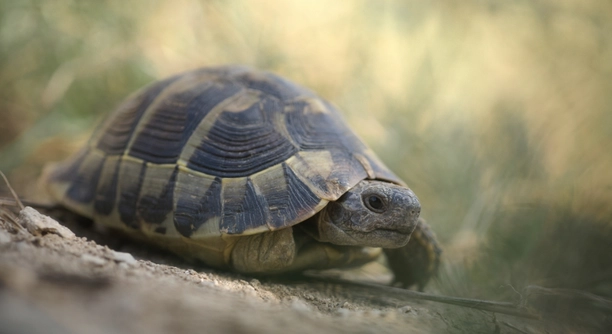
Hermann’s tortoises can sometimes be a bit slow-moving and laid-back. If you’re looking to get your pet more active, there are simple steps you can take to encourage movement and play. This article will show you how.
To help your Hermann’s tortoise stay active, ensure they have a suitable habitat with ample space, proper lighting, and temperature control. Regular outdoor time, interactive toys, and varied feeding routines also promote movement and exploration, contributing to a healthier, more active pet.
Small adjustments to their routine can make a big difference in your tortoise’s energy levels and overall well-being.
Create a Proper Habitat for Your Hermann’s Tortoise
A spacious enclosure is one of the most important factors for encouraging your Hermann’s tortoise to move more. If the habitat is too small, your pet won’t have enough room to roam. A larger space gives them the freedom to explore and exercise. Make sure their environment includes areas for basking, hiding, and roaming. You should also ensure that the enclosure has the right temperature and humidity levels for your tortoise’s comfort. Adding branches or rocks for climbing and burrowing helps simulate a more natural habitat, which encourages physical activity.
A clean, comfortable space is key to ensuring your tortoise feels secure. Tortoises that feel safe are more likely to be active.
For your Hermann’s tortoise, maintaining the right temperature is crucial for their activity levels. Proper lighting with both UVB and basking lamps ensures they can metabolize calcium, which is important for bone strength. These conditions keep your pet comfortable and active, encouraging movement throughout the day.
Take Advantage of Outdoor Time
Outdoor time can be an effective way to help your tortoise get moving. Spending time in a secure, enclosed outdoor space gives them the chance to explore a larger area than their regular habitat. A well-fenced garden or outdoor enclosure lets them engage with new sights, smells, and textures. Outdoor time provides mental stimulation, which can spark curiosity and encourage movement. Just make sure to supervise your tortoise to keep them safe from predators.
Outdoor time offers a significant opportunity for your Hermann’s tortoise to be more active. Natural surroundings will encourage behaviors that are harder to replicate indoors.
If you do not have access to a garden, you can create a small, secure outdoor pen with grass and dirt. Your tortoise will appreciate the opportunity to feel the sun and move more freely. If you plan on letting them roam free in a safe space, always monitor the area for any hazards like other animals or sharp objects.
Use Interactive Toys to Stimulate Movement
Toys that encourage exploration and play are a great way to increase your tortoise’s activity. Things like small balls or food puzzles can spark interest, motivating them to move. Toys that mimic natural foraging activities also allow them to engage mentally while being physically active.
Introduce toys slowly and observe how your tortoise reacts to them. Some tortoises may take time to get used to new objects, while others might start playing right away. Over time, you can rotate toys to keep things fresh and encourage continued movement.
Hermann’s tortoises are naturally curious and will often interact with items in their environment. Providing a variety of safe, stimulating toys can help them stay active and entertained, especially during indoor playtime. Just make sure the toys are safe and sized appropriately to prevent accidents.
Vary Their Diet to Encourage Movement
Varying the types of food you offer your tortoise can motivate them to be more active. Fresh greens, fruits, and vegetables are essential to a balanced diet and can encourage movement during mealtime. A diverse diet also provides enrichment, stimulating them to search for their food.
By offering a variety of food, you can create an environment where your tortoise looks forward to meal times. This not only helps them stay physically active while foraging but also adds interest to their daily routine. Always be mindful of the types of foods that are safe for your tortoise.
Incorporating different textures and colors into your tortoise’s meals will encourage them to explore their environment more thoroughly. This increased movement can lead to better overall health and prevent inactivity. Experiment with new types of vegetables or occasional fruits, but always check that they are safe for your pet to consume.
Provide Plenty of Sunlight
Proper exposure to natural sunlight helps keep your Hermann’s tortoise active and healthy. Sunlight boosts their energy levels and provides essential UVB rays for calcium absorption. A daily dose of sunlight helps regulate their sleep and activity cycles.
If outdoor time isn’t possible, consider using UVB lamps to simulate sunlight. These will help your tortoise stay active indoors by providing the right lighting for their physical needs.
Encourage Natural Behaviors
Allowing your tortoise to express natural behaviors like climbing, digging, and foraging will help increase their activity levels. By providing a varied environment, you create opportunities for them to stay engaged and move around more.
A tortoise’s natural instinct to explore and search for food is a key driver for movement. Ensuring they have the space and items to mimic these behaviors supports physical activity. A natural environment will reduce boredom and encourage daily movement.
Keep Their Enclosure Clean
A clean living space is essential for your tortoise’s well-being. A dirty enclosure can discourage movement, making your tortoise less inclined to explore. Regular cleaning of their habitat will keep it inviting and fresh.
Changing the substrate and cleaning the food area regularly helps your tortoise stay comfortable and active. Fresh bedding and a tidy environment encourage exploration and reduce stress.
FAQ
How much space does a Hermann’s tortoise need to stay active?
A Hermann’s tortoise needs a spacious area to roam freely. The larger the enclosure, the more likely they are to stay active. An indoor enclosure should be at least 4 feet by 2 feet for a single tortoise. Outdoor enclosures should be even larger, ideally with plenty of space for foraging and exploring. A larger habitat encourages more natural movement, reducing inactivity and stress.
What temperature should a Hermann’s tortoise’s habitat be?
The temperature in your tortoise’s habitat is essential for maintaining activity levels. The basking area should be around 90°F (32°C), while the cooler end of the enclosure should range between 70°F to 75°F (21°C to 24°C). These temperature gradients help them regulate their body temperature, which is important for their overall health and activity.
How often should I let my Hermann’s tortoise outside?
Allowing your tortoise outdoor time at least a few times a week can help promote natural behavior. Depending on the weather, it’s ideal to offer your tortoise 1 to 2 hours outdoors in a safe, enclosed space. Regular exposure to natural sunlight encourages activity and supports their health.
Can toys really make a difference in my tortoise’s activity levels?
Yes, interactive toys can significantly encourage your Hermann’s tortoise to be more active. Toys that stimulate foraging, like food puzzles, or toys that they can push or climb on, can promote exercise. These activities mimic natural behaviors and help your tortoise stay engaged and moving throughout the day.
What types of food should I offer to encourage movement?
Offering a variety of fresh greens, vegetables, and occasional fruits encourages movement, as tortoises often move around more when looking for food. Leafy greens like dandelion greens, collard greens, and romaine lettuce are good options. A varied diet also adds interest, making your tortoise more likely to be active during mealtime.
Do Hermann’s tortoises need UVB light?
Yes, UVB light is crucial for your Hermann’s tortoise’s health. It helps them metabolize calcium, which is necessary for strong bones and overall well-being. Without UVB lighting, your tortoise may become lethargic or develop health issues. If you can’t provide natural sunlight, a UVB lamp should be used to ensure they stay active and healthy.
How do I know if my tortoise is getting enough exercise?
You can tell if your tortoise is getting enough exercise by observing their movement levels. Active tortoises will regularly roam their habitat, explore different areas, and seek out food. If your tortoise appears sluggish, it could be a sign that they are not moving enough. Ensure their environment has enough space and enrichment to encourage physical activity.
What should I do if my tortoise is not eating enough to stay active?
If your tortoise isn’t eating enough, it could lead to lethargy and reduced activity levels. First, ensure that the food offered is fresh and appealing. If your tortoise still isn’t eating, check the temperature of their habitat, as improper temperatures can affect their appetite. If the issue persists, consult with a veterinarian for further guidance.
Is it safe for my Hermann’s tortoise to roam indoors?
Yes, but the space should be secure and free from hazards. Tortoises can be curious and may get into trouble if left unsupervised. Make sure there are no dangerous items they could ingest or places they could get stuck. Using a playpen or creating a secure area in a room can help keep them active and safe indoors.
How do I keep my Hermann’s tortoise active during the winter months?
During colder months, tortoises tend to slow down and become less active. To keep them moving, you can offer indoor playtime with safe toys, increase the time spent in a well-lit enclosure with UVB light, and ensure their food is stimulating and varied. If outdoor time isn’t possible, increase their activity indoors using interactive items.
Final Thoughts
Ensuring your Hermann’s tortoise remains active is important for both their physical health and mental well-being. By providing the right environment and opportunities for movement, you can help your tortoise live a healthy and enriched life. A combination of space, natural sunlight, and interactive elements in their habitat plays a crucial role in encouraging them to move more. Additionally, maintaining a proper diet with varied food options encourages them to stay active, especially during mealtime.
It’s essential to remember that tortoises are naturally curious creatures, and they thrive when given the chance to explore their surroundings. Simple additions like climbing structures, toys, or even an outdoor space can make a significant difference. The more opportunities they have to engage in their natural behaviors, the more likely they are to stay active. Regular cleaning of their enclosure and ensuring it is free from hazards also supports their well-being, making it a comfortable environment where they can move freely.
Lastly, always be mindful of your tortoise’s health and behavior. If they show signs of lethargy or are not as active as usual, consider reviewing their diet, temperature settings, and overall environment. Keeping their enclosure clean and offering new experiences can help maintain their interest and encourage them to move. By making small adjustments, you can help your Hermann’s tortoise live a more active and happy life.

Hello,
If you enjoy the content that we create, please consider saying a "Thank You!" by leaving a tip.
Every little bit helps us continue crafting quality advice that supports the health, happiness, and well-being of pets around the world, for pets of all shapes, sizes, and species.
We really appreciate the kindness and support that you show us!