
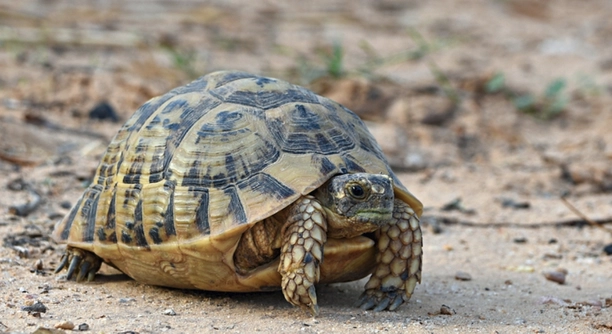
Creating a natural habitat for your Greek tortoise can enhance its health and well-being. By focusing on elements that mimic its natural environment, you can improve its quality of life in captivity.
The simplest way to make your Greek tortoise’s habitat more natural is by providing appropriate lighting, temperature, and humidity. Adding natural elements like rocks, plants, and substrate that resembles its native environment can help create a more comfortable space.
Small changes can transform your tortoise’s living space into a more enjoyable environment. We’ll explore how these simple adjustments can make a big difference.
Lighting and Temperature Control
For your Greek tortoise to thrive, proper lighting and temperature are essential. These reptiles come from sunny, warm climates, so replicating this environment at home is key. You’ll need a heat lamp that provides warmth during the day and a cooler area for them to retreat to. Make sure there’s a temperature gradient in their habitat—one side should be warmer (90-95°F), while the cooler side should be around 75-80°F. Additionally, a UVB light is crucial to help your tortoise process calcium, promoting stronger bones and a healthier shell.
Heat sources are vital for maintaining the correct environment, but too much heat can be stressful for your tortoise. They need access to cooler areas to regulate their body temperature naturally.
By keeping these factors in mind, you can ensure your tortoise has an optimal setting. The right lighting and temperature will allow your tortoise to carry out its natural behaviors, such as basking and resting. Avoid placing the heat source too close to the tortoise to prevent overheating, and be sure to regularly check temperatures for accuracy.
Natural Substrate and Enclosure
Choosing the right substrate makes all the difference.
Providing a natural substrate like organic soil, coconut coir, or a mix of sand and soil will give your tortoise a more familiar environment. This mimics the type of ground it would encounter in the wild, allowing your tortoise to burrow, dig, and explore. Avoid using cedar or pine shavings, as these can be harmful to reptiles.
A large enough enclosure is equally important. If the habitat is too small, your tortoise won’t have room to roam or engage in natural behaviors. Aim for an enclosure that is at least 4 times the size of your tortoise. A spacious habitat gives them room to move, soak up UVB light, and find food. Be sure to include areas for hiding and resting, as your tortoise will need a secure space for its peace of mind. Keeping your habitat clean and dry is also crucial, as damp environments can lead to health issues.
Adding Rocks and Hiding Spots
Rocks, logs, and other natural features are great for your tortoise’s habitat. They provide hiding spots, climbing areas, and give your tortoise a sense of security. It’s important to choose non-toxic materials that are sturdy and safe for your pet.
Adding rocks not only adds a natural aesthetic, but it also encourages physical activity. Your Greek tortoise will enjoy climbing or resting on them. The rocks will help mimic the rocky terrains they encounter in the wild. Just be sure to arrange them securely to prevent any accidents.
Hiding spots are crucial for a tortoise’s mental health. They offer a safe place to retreat, reducing stress. You can use caves, overturned plant pots, or other shelter options. It’s important to ensure that these spots are easily accessible and don’t have sharp edges that could injure your tortoise.
Creating a Natural Feeding Area
Designating a natural-feeding space will encourage healthy eating habits.
Creating a small, earthy area with edible plants or grasses will allow your tortoise to graze naturally. Incorporate leafy greens, such as dandelions or clover, which are part of a tortoise’s regular diet. Avoid adding non-edible or potentially harmful plants.
A separate feeding area provides a clean spot for your tortoise to eat without contaminating other parts of its habitat. This area should be easy to clean and contain a shallow water dish for hydration. Offer food in different textures to provide variety and stimulate natural foraging behaviors. Changing up the types of greens and adding small amounts of fruit as treats will keep your tortoise interested.
Providing Proper Humidity
Humidity is a key factor in creating a comfortable environment for your Greek tortoise. Make sure the enclosure has a moderate level of humidity, around 40-60%. This will help with hydration and respiratory health. You can achieve this by adding a shallow water dish and misting the enclosure.
Too much humidity can lead to respiratory problems or shell issues. It’s important to find the right balance. If the environment is too dry, your tortoise may become dehydrated or have difficulty shedding its scutes. Regular misting or adding a humidity box can help maintain the right levels.
Natural Plants in the Habitat
Including live plants can enhance the habitat’s realism.
Choosing non-toxic plants like succulents or low-growing grasses will make the space feel more natural for your tortoise. Plants can also help maintain proper humidity and offer a more varied environment. Be careful with what you plant, as some common plants may be harmful.
Natural Soil and Substrate Layer
Use organic, natural substrates to mimic the earth they would encounter in the wild.
A mixture of topsoil, sand, and coconut coir works well. This gives your tortoise the ability to dig, burrow, and create a more natural living space. It also ensures your pet has the correct texture for its natural instincts and comfort.
FAQ
How do I know if my tortoise is getting the right amount of light?
You can tell if your Greek tortoise is getting the right amount of light by observing its behavior. If it’s spending a lot of time basking under the heat lamp, that’s a sign it’s receiving enough light. If the tortoise starts to show signs of lethargy or unusual behavior, it may not be getting enough UVB light. Make sure the UVB light is within the correct range and not too old, as they lose effectiveness over time. Also, monitor the temperature gradient in the enclosure to ensure it has a warm and cool area to retreat to.
What should I do if my tortoise is not eating?
If your tortoise isn’t eating, first check the temperature and humidity levels in the habitat. If these are off, it can make your tortoise feel stressed or uncomfortable, leading to a lack of appetite. You should also ensure you’re offering a variety of food. Try offering different greens, grasses, or edible flowers, and make sure they’re fresh. If the issue persists, a vet visit may be necessary, as a decrease in appetite could signal health concerns.
How can I prevent my tortoise from escaping its enclosure?
Tortoises are skilled at escaping when they want to. Ensure the sides of the enclosure are high enough to prevent climbing, and bury the sides of the enclosure at least a few inches into the ground to prevent digging. Check for any small gaps or weaknesses in the enclosure and fix them promptly. Use heavy materials like stone or sturdy plastic for the walls of the enclosure to make it harder for your tortoise to climb out. Also, make sure the enclosure is large enough for them to move around without feeling cramped.
How often should I clean my Greek tortoise’s habitat?
You should spot-clean your tortoise’s habitat daily. Remove any uneaten food, waste, or soiled substrate. Once a week, it’s a good idea to do a more thorough cleaning, such as changing the substrate and disinfecting the water dish. If your tortoise is housed in a humid environment, regular cleaning helps prevent mold growth or bacterial build-up. Always make sure to rinse and dry everything thoroughly before setting it back into the enclosure.
What type of water should I provide for my tortoise?
It’s best to provide your Greek tortoise with fresh, clean water every day. Tap water is usually fine, but make sure it’s not too cold or too hot, as this could be stressful. If your tap water contains high levels of chlorine, it’s a good idea to let it sit for a few hours before offering it, or use filtered water. Some tortoises may also drink from a shallow dish, while others may prefer to soak in a shallow pan for hydration, which is a natural behavior they may engage in.
Can I keep multiple tortoises in one enclosure?
It is possible to house multiple Greek tortoises together, but it can be tricky. Tortoises can be territorial, especially males, and they might fight over space or food. If you choose to keep multiple tortoises, make sure the enclosure is large enough to provide each tortoise with its own space to avoid territorial issues. Ensure that each tortoise has access to its own basking spot and hiding area. If fighting becomes a problem, it’s best to separate them to avoid stress and injury.
What should I do if my tortoise is breathing heavily?
Heavy breathing or wheezing could be a sign of respiratory infection or other health issues. If you notice these symptoms, check the humidity levels in the enclosure—too much moisture can lead to respiratory problems. Ensure that the temperature is also appropriate, as extreme temperatures can weaken their immune systems. If the heavy breathing persists for more than a day or is accompanied by discharge from the nose or mouth, consult a veterinarian who specializes in reptiles for an accurate diagnosis and treatment.
Do Greek tortoises need a specific type of substrate?
Yes, Greek tortoises benefit from a natural, well-draining substrate. A mix of soil, sand, and coconut coir works well. This allows for burrowing and mimics the natural environment of the tortoise. It’s important to avoid using substrates like cedar or pine, which can be toxic to reptiles. If you live in a humid climate, consider adding a layer of dry leaves or grass to absorb excess moisture. Clean the substrate regularly to prevent the build-up of waste or mold.
Can I feed my tortoise fruit regularly?
Fruit should only be offered as an occasional treat. While Greek tortoises will eat fruit in the wild, too much sugar can lead to digestive problems and obesity when they are kept in captivity. It’s best to stick to a diet of leafy greens, grasses, and a small amount of flowers. If you do offer fruit, try options like strawberries, melon, or apple, but keep the portions small. Also, make sure to remove any uneaten fruit from the enclosure to avoid attracting pests.
What is the best way to monitor my tortoise’s health?
Regularly observing your Greek tortoise’s behavior and physical appearance is the best way to monitor its health. Keep an eye on its appetite, energy levels, and any signs of discomfort like limping or shell abnormalities. If your tortoise is acting lethargic or showing changes in its shell, such as soft spots or cracks, it’s time to visit the vet. Regular checkups with a reptile veterinarian can also help catch potential health issues early.
Final Thoughts
Creating a more natural habitat for your Greek tortoise doesn’t have to be complicated. By paying attention to details like lighting, temperature, and the right substrate, you can provide an environment that closely resembles their natural home. When their habitat reflects their native surroundings, your tortoise will feel more at ease and be able to engage in natural behaviors like foraging and digging. Small changes, such as adding rocks, hiding spots, or even live plants, can make a big difference in their overall well-being.
Keep in mind that your tortoise’s comfort and health depend on consistent care. Regularly check the temperature, humidity, and cleanliness of their habitat to ensure it stays ideal. It’s also essential to observe their behavior for any signs of stress or illness. If your tortoise isn’t eating or seems lethargic, these could be early indicators that something isn’t right in the habitat. In those cases, it’s best to make adjustments or consult a vet.
Ultimately, providing a natural environment for your Greek tortoise can greatly improve their quality of life. They need space to move, areas to hide, and a safe place to bask and dig. With the right setup, your tortoise will not only feel more comfortable but will also thrive. Taking the time to adjust their habitat can make all the difference, and your tortoise will thank you by living a healthier and more active life.

Hello,
If you enjoy the content that we create, please consider saying a "Thank You!" by leaving a tip.
Every little bit helps us continue crafting quality advice that supports the health, happiness, and well-being of pets around the world, for pets of all shapes, sizes, and species.
We really appreciate the kindness and support that you show us!