
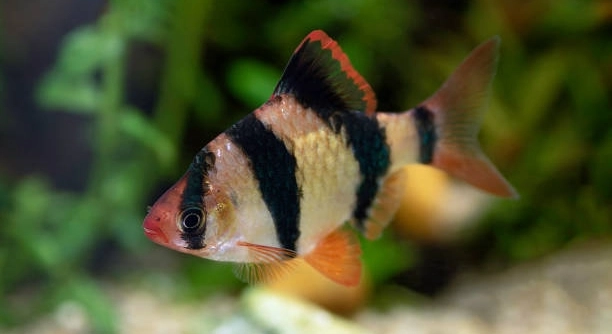
Tiger barbs are lively fish that need a calm environment to thrive. Creating a safe space helps reduce their stress and encourages natural behavior. Knowing how to make them feel secure benefits both the fish and the owner.
Providing hiding spots, maintaining stable water conditions, and minimizing sudden changes are essential to making tiger barbs feel safe. These practices reduce stress and support their health, promoting a balanced and peaceful aquarium environment.
These simple steps will help you build a comfortable home for your tiger barbs and improve their overall well-being.
Create Plenty of Hiding Spots
Tiger barbs feel safer when they have places to hide. Adding plants, rocks, or decorations provides shelter where they can retreat when they feel threatened. These hiding spots reduce aggression and help shy fish feel more secure. Live plants are especially good because they also improve water quality. When setting up the tank, make sure the hiding spots are easy to access but not overcrowded. Overcrowding can stress the fish and make the tank harder to clean. Variety in hiding places helps meet the needs of all fish in the tank. Remember, tiger barbs are active swimmers, so balance open swimming areas with safe spots. This setup allows them to explore and rest without constant fear. A well-planned tank mimics their natural environment, which is essential for their mental health and reduces chances of stress-related illness.
Hiding spots are key for tiger barbs to feel safe and secure in their tank environment.
Creating a tank with a mix of dense plants and open spaces offers tiger barbs a comfortable habitat. Incorporate driftwood or small caves along with plants to give different types of shelter. Changing the arrangement occasionally can keep the environment interesting without causing stress. Ensure decorations are stable and won’t fall, which could injure the fish or cause sudden disturbance. By providing these secure areas, you encourage natural behaviors and reduce fighting among fish, leading to a healthier, calmer aquarium.
Maintain Stable Water Conditions
Consistent water parameters are important for tiger barbs’ well-being. Sudden changes in temperature or pH can cause stress and illness.
Monitoring water temperature, pH, and ammonia levels regularly ensures the tank stays stable. Using a heater and a reliable water testing kit helps maintain a safe environment. Frequent partial water changes keep the water clean and balanced. Avoid overfeeding, as leftover food can pollute the water. Stability in water conditions supports the immune system of tiger barbs and keeps them active. Fish that live in steady conditions show better color and behavior. This creates a more enjoyable tank for both the fish and the owner. Regular maintenance and observation will prevent common problems before they start. Taking these simple steps shows care and helps tiger barbs live longer, happier lives.
Keep the Tank Clean
A clean tank is essential for tiger barbs to feel safe and healthy. Waste buildup can cause stress and illness.
Regular water changes help remove toxins and keep the environment fresh. Use a gravel vacuum to clean the substrate without disturbing the fish too much. Avoid cleaning everything at once to preserve beneficial bacteria. A partially cleaned tank supports a balanced ecosystem.
Maintaining a clean tank also means monitoring filter performance. Replace filter media as needed but not all at once, to keep helpful bacteria intact. Consistent cleaning prevents diseases and promotes a comfortable home for your tiger barbs.
Provide Proper Tank Size and Grouping
Tiger barbs need enough space to swim and socialize. A tank that is too small increases stress and aggression.
A minimum of 20 gallons is recommended for a small group of tiger barbs. They are schooling fish and should be kept in groups of at least six to reduce bullying. Keeping fewer than six can lead to fighting and stress. Providing sufficient space allows natural behavior and reduces territorial disputes. Proper grouping also helps tiger barbs feel more confident and secure in their surroundings, leading to a healthier tank environment for everyone.
Avoid Sudden Movements and Loud Noises
Tiger barbs are sensitive to sudden movements near the tank. Quick actions or loud sounds can startle them.
Keeping a calm environment around the tank helps reduce their stress. Move slowly and speak softly when near their habitat.
Use Proper Lighting
Lighting should mimic natural day and night cycles. Avoid very bright or flickering lights, which can stress tiger barbs.
A consistent lighting schedule of about 8–10 hours daily supports their natural rhythms. Use timers to maintain this routine without manual adjustments.
Feed a Balanced Diet
Offering a variety of foods helps keep tiger barbs healthy and calm. Include high-quality flakes, pellets, and occasional live or frozen treats.
What is the best way to reduce stress in tiger barbs?
The best way to reduce stress in tiger barbs is by providing a stable and comfortable environment. This includes consistent water parameters, plenty of hiding spots, and keeping them in groups of six or more. Avoid sudden changes in their surroundings and handle the tank carefully to prevent startling them. Feeding a balanced diet also supports their health, which lowers stress levels. Keeping the tank clean and maintaining good water quality is essential as well. A calm, predictable habitat helps tiger barbs feel secure and thrive.
How many tiger barbs should I keep together?
Tiger barbs are schooling fish, so they should be kept in groups of at least six. Keeping fewer than six can cause aggressive behavior and stress as they may become territorial. Larger groups help spread aggression and promote social interaction, making the fish feel safer. A group of six or more also encourages natural schooling behavior, which is important for their well-being. Ensure the tank is large enough to accommodate the group comfortably to avoid overcrowding and additional stress.
What tank size is ideal for tiger barbs?
A minimum tank size of 20 gallons is recommended for a small group of tiger barbs. This size allows enough space for swimming and territorial movement. Bigger tanks provide more stable water conditions and reduce aggressive interactions. If you plan to keep more than six tiger barbs or add other species, consider a larger tank to accommodate everyone comfortably. Proper tank size supports their natural behavior and overall health.
What types of plants and decorations are best for tiger barb tanks?
Live plants like Java fern, Anubias, and Vallisneria work well because they offer hiding spots and help improve water quality. Decorations such as rocks, driftwood, and caves provide additional shelter and create a natural environment. Avoid sharp or rough materials that might injure the fish. Arrange plants and decorations to create open swimming areas alongside dense cover. This setup reduces stress and encourages natural activity.
How often should I clean my tiger barb tank?
Perform partial water changes of about 20–30% weekly or biweekly, depending on tank size and stocking levels. Use a gravel vacuum to clean the substrate without disturbing beneficial bacteria. Clean the filter media gently and replace it only partially to maintain helpful bacteria populations. Keeping a regular cleaning schedule prevents toxin buildup and supports healthy water conditions for your fish.
Can tiger barbs live with other fish species?
Yes, tiger barbs can live with other fish, but choose tank mates carefully. Avoid slow-moving or long-finned fish, as tiger barbs may nip at them. Suitable companions include other fast, active species like danios or certain types of tetras. Ensure all fish have enough space to reduce aggression. Keeping the group size of tiger barbs high also helps lower aggressive behavior toward tank mates.
What should I feed tiger barbs?
Feed tiger barbs a varied diet consisting of high-quality flakes or pellets designed for tropical fish. Supplement with live or frozen foods such as bloodworms, brine shrimp, or daphnia for added nutrition. Feeding small amounts two to three times daily prevents overfeeding and keeps the tank cleaner. A balanced diet supports their color, energy, and immune system.
How do I know if my tiger barbs are stressed?
Signs of stress in tiger barbs include hiding excessively, loss of color, erratic swimming, or aggression toward tank mates. They may also stop eating or become lethargic. Stress often results from poor water quality, overcrowding, or sudden changes in the environment. Observing their behavior regularly helps catch issues early. Taking quick action to correct tank conditions can improve their health and comfort.
Is it necessary to use a heater for tiger barbs?
Tiger barbs are tropical fish that thrive in water temperatures between 74°F and 79°F (23°C to 26°C). Using a heater helps maintain a stable temperature within this range, which is important for their metabolism and immune system. Sudden temperature drops can cause stress and illness. A reliable heater with a thermostat is recommended for most home aquariums housing tiger barbs.
How can I prevent aggression among tiger barbs?
Aggression in tiger barbs can be reduced by keeping them in groups of six or more and providing plenty of space. Avoid overcrowding and maintain good water quality. Adding hiding spots and decorations helps break up lines of sight and reduce territorial disputes. Feeding a balanced diet also minimizes competition for food. Monitoring their behavior regularly lets you spot early signs of aggression and adjust the environment if needed.
Creating a safe and comfortable environment for tiger barbs is important for their health and happiness. These active fish need stable water conditions, enough space, and places to hide. By paying attention to these factors, you help reduce their stress and encourage natural behaviors. A well-maintained tank with clean water and proper lighting will keep tiger barbs feeling secure and lively. Remember, they are schooling fish, so keeping them in groups helps them feel less threatened and more confident.
Regular maintenance plays a big role in making tiger barbs feel safe. Cleaning the tank carefully without disturbing the beneficial bacteria, monitoring water quality, and feeding them a balanced diet supports their overall well-being. Avoid sudden changes in the environment, such as loud noises or quick movements near the tank, as these can cause stress. Providing a calm and steady environment helps tiger barbs stay healthy and reduces the risk of disease. When their surroundings are consistent, they show better color and behavior, making your aquarium more enjoyable to watch.
Taking simple steps like adding plants, decorations, and hiding spots creates a more natural habitat for tiger barbs. These elements give them places to rest and feel protected. The combination of open swimming areas and secure shelters keeps them active and less aggressive. Ensuring proper tank size and keeping enough tiger barbs together also plays a key role in their comfort. When all these conditions are met, tiger barbs can thrive, making the aquarium a peaceful and beautiful space. Your care and attention will help your tiger barbs live a long, healthy life.

Hello,
If you enjoy the content that we create, please consider saying a "Thank You!" by leaving a tip.
Every little bit helps us continue crafting quality advice that supports the health, happiness, and well-being of pets around the world, for pets of all shapes, sizes, and species.
We really appreciate the kindness and support that you show us!