
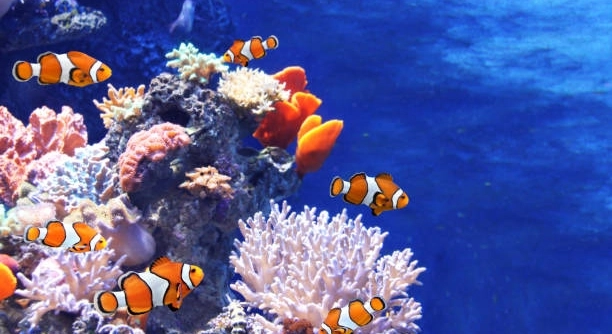
Are your clownfish spending most of their time hiding behind rocks or hovering near the bottom of the tank? Small signs like these can point to a lack of comfort or security in their environment.
The most effective way to make clownfish feel secure is by providing them with appropriate hiding spots, consistent water conditions, and compatible tank mates. These factors mimic their natural habitat, helping to reduce stress and encourage natural behaviors.
Creating a stable home for your clownfish doesn’t need to be complicated. Simple adjustments can make a noticeable difference in their behavior and overall wellbeing.
Add Hiding Spots
Clownfish feel more relaxed when they have safe spaces to hide. In the wild, they live among sea anemones, which provide both shelter and protection. In a tank, live rock structures, caves, and artificial anemones can offer similar hiding areas. These spots help reduce stress, especially when clownfish are adjusting to a new environment or feel threatened. Without proper hiding spaces, they may become anxious or aggressive. Try to arrange the tank so they have options on both sides—this way, they don’t feel cornered. Make sure the decorations are secure and won’t shift or fall if the fish bump into them.
Look for signs your clownfish are using these spaces. If they hover near them or sleep close by, it means they feel safer already.
Giving your clownfish places to hide is a simple but effective step. It helps them feel like they have some control over their space, which builds confidence.
Keep Water Conditions Stable
Even small changes in water quality can make clownfish uncomfortable. Keep things consistent to help them stay calm.
Stable water parameters are essential. Use a reliable thermometer and test kit to monitor temperature, pH, and salinity. Keep the temperature between 74°F and 79°F, pH around 8.1 to 8.4, and salinity at 1.020 to 1.026 specific gravity. Sudden shifts can lead to stress, disease, or erratic behavior. Regular maintenance is key—change about 10–15% of the water weekly and remove any waste or uneaten food. If you’re using tap water, make sure it’s treated for chlorine and heavy metals before adding it to the tank. A stable filter and heater will also help keep conditions steady. When everything stays balanced, your clownfish are more likely to swim comfortably, eat well, and stay active.
Limit Loud Noises and Vibrations
Loud noises and vibrations near the tank can stress clownfish and cause them to hide or act skittish. Keep their tank away from speakers, slamming doors, or areas with heavy foot traffic.
Clownfish are sensitive to sound and vibrations because they use their lateral line system to detect movement in the water. Vibrations from loud music, dropping items near the tank, or constant tapping on the glass can confuse or scare them. Stress from repeated disturbances may lead to hiding, poor appetite, or weakened immunity. If you notice your clownfish darting suddenly or hiding more often, check for possible sources of noise. Soft padding under the tank stand can help reduce transferred vibrations. Always approach the tank calmly and avoid quick movements when feeding or cleaning. This encourages your clownfish to stay relaxed and feel safer in their space.
Over time, keeping the area around the tank calm makes a noticeable difference. Clownfish start recognizing regular patterns and become more confident when they aren’t startled by sudden sounds. It helps build trust between you and the fish. Avoid turning the lights or filters on and off loudly, and try not to place the tank near speakers or busy hallways. Simple changes in the room setup can lead to more secure behavior.
Choose Peaceful Tank Mates
Aggressive fish in the tank can stress your clownfish, making them feel unsafe. Choose peaceful species that won’t chase or nip at them. It keeps the environment calm and reduces unnecessary tension.
When choosing tank mates, it’s best to avoid fast, territorial, or aggressive species. Damselfish, dottybacks, or large wrasses may compete for space and food, leaving clownfish anxious or defensive. Look for calmer options like gobies, firefish, or cleaner shrimp. Introducing tank mates gradually and monitoring behavior helps prevent stress. Clownfish can defend themselves, but they prefer stability over confrontation. If your clownfish stays hidden after adding new fish, it could mean they feel threatened. Remove any fish that consistently chases or corners them. A well-balanced tank gives each species enough room and resources to thrive without competition. Making careful choices at the start reduces problems later and keeps your clownfish active, eating well, and comfortable.
Feed Them on a Regular Schedule
Feeding your clownfish at the same time each day helps them feel secure. It creates a routine they can rely on, reducing stress and encouraging natural behavior like exploring and swimming more freely.
Use high-quality marine pellets or frozen foods like brine shrimp. Avoid overfeeding, as it can affect water quality.
Keep Lighting Consistent
Clownfish prefer a stable light schedule that mimics their natural day-night cycle. Use a timer to keep lights on for 10 to 12 hours daily. Sudden changes or leaving lights on too long can disturb their rhythm and cause stress.
Avoid Overcrowding
Too many fish in the tank can cause stress and competition. Make sure your tank has enough space for all its inhabitants to swim and claim their own areas without conflict.
FAQ
How do I know if my clownfish is stressed?
A stressed clownfish may breathe rapidly, hide more than usual, lose its appetite, or become less active. You might also notice it swimming erratically or staying in one corner of the tank. In some cases, their color can appear faded. These signs usually point to something wrong in the tank—like poor water conditions, aggressive tank mates, or sudden changes in light or noise. Keep an eye on their normal behavior so it’s easier to spot anything unusual. Addressing these issues quickly helps prevent illness and keeps your clownfish feeling safe and comfortable.
Can clownfish live alone, or do they need a pair?
Clownfish can live alone and still be happy if the tank setup is stable and secure. That said, many people keep them in pairs, especially if they want to see natural bonding and hosting behaviors. A mated pair will often share a hiding spot and swim closely together. If you plan to keep two, introduce them at the same time and choose one slightly larger than the other, as clownfish can become aggressive while sorting out dominance. Keeping just one is perfectly fine, though, and some clownfish may even act more relaxed on their own.
Do clownfish need an anemone to feel secure?
No, clownfish don’t need a real anemone to feel secure in a home aquarium. In the wild, they use anemones for protection, but in tanks, they often bond with other items like soft corals, sponges, or even plastic decorations. As long as you give them hiding spaces and stable conditions, they’ll adapt well. Some clownfish may never host anything at all and still thrive. If you do want to try an anemone, make sure your tank is mature and stable, since anemones are more sensitive to water changes than clownfish.
Why is my clownfish swimming at the top of the tank?
Clownfish swimming near the surface may be responding to low oxygen levels, poor water quality, or looking for food. Make sure your filter and air pump are working properly, and test the water for ammonia, nitrites, and nitrates. If those levels are off, a water change might help. Sometimes clownfish hang near the top for no serious reason, especially if that’s where they’re fed, but watch for signs of distress like gasping or lethargy. If it continues, check all your equipment and consider testing the tank more often.
How long does it take for clownfish to feel secure in a new tank?
It usually takes a few days to a few weeks for clownfish to settle into a new tank. During that time, they might hide more, eat less, or avoid open areas. Keeping lighting low at first, avoiding loud noises, and sticking to a regular feeding routine helps them adjust faster. Don’t introduce other fish right away—give clownfish time to explore and claim their space. Each fish is different, but once they feel safe, you’ll see them swimming more freely, exploring the tank, and showing interest in food.
What tank size is best for keeping clownfish happy and secure?
A minimum of 20 gallons is recommended for a single clownfish or a bonded pair. This gives them enough room to swim and claim a territory. A larger tank is better if you plan to add other fish or corals. Smaller tanks can work, but they’re harder to maintain and more sensitive to changes in water quality. Keeping the tank size appropriate helps reduce stress and makes it easier to maintain good water conditions. Proper filtration, heating, and regular cleaning are just as important, no matter the tank size.
Is it normal for clownfish to sleep in strange positions?
Yes, clownfish often sleep in odd positions or spots that seem unusual. Some float near the bottom, tilt to the side, or nestle into rocks or soft corals. This is usually normal as long as they look healthy during the day, eat well, and swim normally. Clownfish don’t always follow the same sleeping habits, and their sleeping spots may change depending on tank layout or lighting. As long as the behavior isn’t paired with signs of illness, there’s no need to worry. It’s just part of their personality.
Final Thoughts
Helping clownfish feel secure doesn’t have to be difficult. Small, thoughtful changes to their environment can make a big difference in how they behave and interact in the tank. Things like stable water conditions, peaceful tank mates, proper hiding spaces, and a quiet setup all work together to create a calm home. Clownfish are naturally curious, but they can become shy or stressed if something in their tank feels off. When they feel safe, they’re more likely to swim openly, eat well, and show off their natural colors and personality.
Each tank setup is a little different, and clownfish may respond in their own way. Some will host decorations, while others prefer to stay near one spot in the tank. Over time, you’ll start to notice what makes your clownfish feel more comfortable. Watching for small changes in behavior can help you catch any problems early. Routine feeding, a quiet space, and steady lighting are simple habits that build a sense of safety. Making adjustments slowly is often better than big changes all at once, especially if your clownfish are already showing signs of stress.
Keeping clownfish secure isn’t just about following a checklist—it’s about creating a space that supports their natural needs. Once those needs are met, they often become more active and social, sometimes even recognizing the person who feeds them. When you care for them in a steady and thoughtful way, they tend to settle in and become part of your daily routine. Whether you’re new to keeping clownfish or have cared for them before, focusing on their comfort helps them thrive. A calm, stable tank doesn’t just benefit your clownfish—it makes the whole experience of fishkeeping easier and more enjoyable.

Hello,
If you enjoy the content that we create, please consider saying a "Thank You!" by leaving a tip.
Every little bit helps us continue crafting quality advice that supports the health, happiness, and well-being of pets around the world, for pets of all shapes, sizes, and species.
We really appreciate the kindness and support that you show us!