
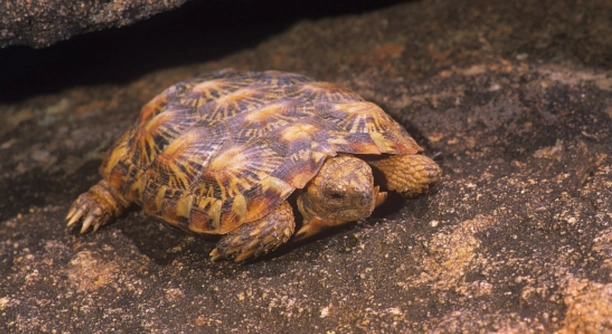
Creating a safe environment for your tortoise is essential to ensure they stay protected and comfortable. You may have noticed that tortoises can be quite clever at escaping enclosures. A secure setup will keep your pet safe.
There are several effective ways to make a tortoise enclosure escape-proof. Ensuring proper height, secure fencing, and reinforced edges are key steps to prevent escapes. It is important to regularly check for weak points in the structure and maintain its integrity.
By following these tips, you can give your tortoise a safe and secure home to enjoy. This will ensure their well-being and prevent any future escape attempts.
Proper Height and Fencing
When building a tortoise enclosure, one of the most important factors is ensuring the height is sufficient to keep your tortoise from climbing out. Tortoises can be surprisingly good at scaling low fences. A good rule of thumb is to make the enclosure at least 12-18 inches high, depending on the size of your tortoise. If you’re using a wire or mesh fence, ensure that the gaps are small enough to prevent your tortoise from squeezing through. Regularly check the perimeter for any signs of damage that may allow your tortoise to escape.
A well-built fence will keep your tortoise inside. Keeping an eye on its condition will help you avoid escape scenarios.
Make sure to use sturdy materials that will stand up to the weather and your tortoise’s attempts to push against them. Strong plastic or wood fencing are excellent choices. Ensure that the bottom of the fence is buried a few inches underground to prevent burrowing.
Reinforce the Edges
The edges of your tortoise enclosure are where escape attempts often begin. Your tortoise may dig along the base or push against weak areas of the fencing. It’s important to reinforce the edges with additional materials like stones or bricks. Placing them along the bottom of the enclosure will make it more difficult for your tortoise to dig underneath and escape. This simple addition helps keep the enclosure stable and secure.
Additionally, ensure the edges of the fencing are tightly secured. Any loose areas can be exploited by your tortoise as they push and nudge their way out. Reinforcing these edges will provide added security.
Secure the Lid
If your tortoise enclosure has a lid, ensure it is securely attached. A loose lid may be tempting for your tortoise to push open, especially if they feel confined. Using heavy-duty locks or clips can make a significant difference in keeping the lid in place.
A well-secured lid can prevent your tortoise from escaping. It’s important to check that it’s properly fastened and reinforced, especially if you have a larger tortoise that can exert more force. A lid should be designed to support their weight and withstand their attempts to lift it.
Consider the material you use for the lid as well. Lightweight materials like mesh or thin plastic are easier to lift, while sturdier materials like wood or metal will be much harder for a tortoise to move. Ensure that there is no space between the lid and the sides of the enclosure, as even a small gap can give your tortoise an opportunity to escape.
Dig-Resistant Barriers
Tortoises love to dig, so it’s essential to install barriers that prevent them from burrowing out. Using heavy stones or concrete around the perimeter of the enclosure can help deter them from digging underneath. Dig-resistant materials should be placed at least six inches deep to make it harder for your tortoise to escape.
The best way to ensure your tortoise stays inside is by reinforcing the ground with materials that prevent digging. Adding a layer of rocks or bricks along the base can significantly improve the barrier’s effectiveness. This will help your tortoise focus on exploring above ground rather than attempting to dig an escape route.
If your tortoise is persistent, adding a layer of hardware cloth or metal mesh underground can be a reliable solution. It’s essential that this mesh is buried a few inches deep to prevent them from tunneling under. Combining this with the stone or concrete barrier will increase the chances of a secure and escape-proof enclosure.
Regular Inspections
Check your tortoise enclosure regularly for any signs of wear and tear. Fences can become weak over time, and small gaps can appear unexpectedly. It’s important to inspect the enclosure for any potential escape routes. Regular checks will help you catch problems early.
Maintaining a habit of inspecting the enclosure will ensure that any damage is repaired before it becomes a problem. Checking for gaps, loose areas, or weak points will prevent your tortoise from finding a way out. Even a small opening can become a way for your tortoise to escape.
The more often you check, the more likely it is that you’ll notice potential hazards. A quick inspection every few weeks is a simple yet effective strategy to keep the enclosure secure.
Proper Ventilation
Ventilation in your tortoise enclosure is essential for maintaining a healthy environment. Adequate airflow will ensure that your tortoise has enough fresh air and that humidity levels are controlled. Without proper ventilation, the enclosure could become too stuffy, which can harm your tortoise’s health.
If the enclosure is entirely closed off, it could lead to excessive heat buildup or a lack of oxygen, both of which can stress your tortoise. To promote good airflow, ensure that the enclosure has breathable materials or ventilation holes. This will allow air to circulate and keep the temperature and humidity levels stable.
Comfortable Flooring
The flooring of your tortoise enclosure plays a vital role in both comfort and security. Use a substrate that is safe for your tortoise, such as coconut husk or soil. Make sure the flooring is not slippery, as this can cause stress for your pet and make them more likely to attempt an escape.
FAQ
What size enclosure is best for my tortoise?
The size of the enclosure depends on the species of tortoise. As a general rule, the larger the tortoise, the larger the enclosure should be. A good starting point is to provide at least 4 square feet of space for small species, and 10 square feet or more for larger tortoises. Ensuring enough space for your tortoise to roam, dig, and bask comfortably is essential. Larger enclosures also help prevent boredom and encourage healthy exercise.
How can I prevent my tortoise from digging its way out?
To stop your tortoise from digging out, consider installing dig-resistant barriers along the bottom of the enclosure. This can include using heavy stones or concrete blocks around the perimeter to prevent tunneling. You can also bury hardware cloth or mesh underneath the soil to make it more difficult for your tortoise to dig. Reinforcing the edges with rocks or bricks can provide an extra layer of protection.
Should I use a lid on my tortoise enclosure?
Yes, a lid can be helpful, especially for larger tortoises that are more likely to push against the top. Ensure the lid is secure and cannot be easily opened by your tortoise. Use heavy-duty locks, clips, or hinges to fasten it securely. A well-fitted lid prevents escape while still allowing ventilation and light to enter.
Is it necessary to have a completely closed enclosure?
A fully closed enclosure is not required but can be beneficial for certain species, especially in areas with harsh weather conditions. For most tortoises, a well-ventilated enclosure that allows for proper airflow is sufficient. However, a closed enclosure can help maintain a stable environment and protect your tortoise from predators or extreme temperatures. Be sure to include proper ventilation to avoid excessive humidity or heat buildup.
What is the best material for a tortoise enclosure?
Wood, plastic, or metal are good materials for building a tortoise enclosure. Wood is sturdy and provides a natural look, but it should be treated to prevent rot. Plastic is lightweight and easy to clean, but it may not provide as much ventilation as wood or metal. Metal, such as galvanized steel, is durable and weather-resistant but may require proper coating to avoid rust. Choosing the right material depends on the climate and the specific needs of your tortoise species.
Can I use sand or gravel in my tortoise enclosure?
Sand and gravel are not ideal for the entire floor of a tortoise enclosure. Sand can be used in small amounts for aesthetic purposes or to allow for digging, but it can cause impaction if ingested. Gravel can be uncomfortable for your tortoise to walk on and may cause injury if the stones are sharp. Instead, opt for soft, safe substrates like coconut husk or soil that are more comfortable and digestible.
How do I maintain the temperature and humidity in my tortoise enclosure?
Maintaining proper temperature and humidity is crucial for your tortoise’s health. Use a heat lamp or ceramic heat emitter to provide warmth during the day. Be sure to place the heat source above a basking area where the tortoise can warm itself. For humidity, consider using a water dish and misting the enclosure occasionally, depending on the species. A thermometer and hygrometer can help you monitor these conditions closely.
How do I make sure my tortoise stays hydrated?
Tortoises need access to fresh, clean water at all times. Make sure there is a shallow water dish large enough for them to drink from, and clean it regularly to prevent bacteria buildup. In addition to water, you can offer water-rich vegetables such as cucumbers or leafy greens to help with hydration. Monitor your tortoise for signs of dehydration, such as dry skin or lethargy, and adjust their water availability accordingly.
Is it safe to have a tortoise enclosure outside?
Outdoor enclosures are safe as long as they are secure and provide protection from extreme weather conditions and predators. Ensure the enclosure is in a shaded area during hot weather to prevent overheating. In colder climates, make sure the enclosure has adequate shelter and heating to keep the tortoise warm. Always check the fencing and lid to make sure your tortoise cannot escape.
How do I prevent my tortoise from escaping through small gaps?
Tortoises can squeeze through surprisingly small gaps, so it’s essential to seal all holes or cracks in the enclosure. Use materials like wood, plastic, or metal to fill any potential openings. Inspect the enclosure regularly to ensure no new gaps have appeared. Pay special attention to the base of the fence or wall, where digging may cause gaps over time.
How often should I clean the tortoise enclosure?
Cleaning the tortoise enclosure should be done regularly to prevent bacteria buildup and ensure a healthy environment. Spot clean daily by removing any soiled bedding or waste. A deeper cleaning, which involves removing all substrate, disinfecting surfaces, and replacing the bedding, should be done once a month or as needed. Be sure to rinse all cleaning products thoroughly to avoid harmful residues.
Can I house more than one tortoise together?
It depends on the species. Some tortoises can tolerate cohabitation, while others are territorial and may become aggressive towards one another. Before housing more than one tortoise in the same enclosure, research the species to determine compatibility. If keeping multiple tortoises, ensure the enclosure is large enough to provide each tortoise with its own space, including basking and feeding areas.
Do tortoises need a separate nesting area?
Yes, female tortoises may require a separate nesting area to lay their eggs. This should be a quiet, secluded part of the enclosure with deep, soft soil where they can dig. Providing this will allow them to fulfill their natural instinct to nest. Be sure to maintain the correct conditions, such as temperature and humidity, for egg-laying.
How do I ensure my tortoise has enough exercise?
A spacious, well-enclosed area is essential for providing your tortoise with exercise. Tortoises enjoy walking, foraging, and occasionally digging. The more space you can provide, the better. Outdoor enclosures can offer more room for exploration, while indoor enclosures should have enough space for your tortoise to move freely. Regularly rotate their environment to keep them mentally and physically stimulated.
Can I use artificial plants in my tortoise’s enclosure?
Artificial plants can be used in the tortoise enclosure as long as they are non-toxic and do not have sharp edges that could harm your pet. However, it’s important to note that live plants are also beneficial, as they provide natural hiding places and improve the overall aesthetic. Just ensure any plants you use are safe for tortoises to interact with.
Do tortoises need a heat source at night?
Tortoises typically do not need a heat source during the night if the temperature in the enclosure stays within the appropriate range. However, during cooler months or in colder climates, providing a heat source, such as a ceramic heat emitter, can help maintain a stable environment. Always ensure the enclosure does not get too hot, as this can stress your tortoise.
What should I feed my tortoise in an enclosure?
A balanced diet is essential for a healthy tortoise. Most tortoises are herbivores, so provide a variety of leafy greens, flowers, and vegetables. Avoid feeding them high-protein foods like meat, which can lead to health issues. Be sure to offer calcium-rich foods to support shell health and provide fresh water daily.
How can I keep my tortoise from becoming bored?
Tortoises enjoy variety and stimulation. Ensure they have enough space to explore, dig, and forage. You can also add items like logs, rocks, and plants to their enclosure to give them places to hide and climb. Moving objects, such as food or toys, can encourage them to engage with their environment.
Can I use a plastic container as a tortoise enclosure?
Plastic containers can be used as temporary enclosures, but they should not be used long-term due to poor ventilation. A plastic container with proper ventilation holes and sufficient space can work for smaller tortoises, but larger species will require more room. Always monitor the temperature and humidity closely in plastic enclosures.
How can I keep my tortoise safe from predators?
To protect your tortoise from predators, ensure the enclosure is fully enclosed with secure fencing or netting. Keep the area free from access points where larger animals, like dogs or raccoons, can enter. If you are using an outdoor enclosure, always supervise your tortoise when it is outside.
Final Thoughts
Tortoise care can be simple, but it requires consistent attention and the right environment. A spacious, secure enclosure is key to ensuring your tortoise feels comfortable and safe. Whether you house your tortoise indoors or outdoors, the space should provide enough room for movement and access to food and water. Proper heating and lighting are necessary for your tortoise’s health, as they need warmth for digestion and basking. Regular monitoring of temperature, humidity, and overall cleanliness ensures that the enclosure remains suitable for long-term habitation.
It’s also important to understand your tortoise’s specific species requirements. Different species have different needs in terms of diet, humidity, and temperature. Researching these factors will help you create an environment where your tortoise can thrive. By providing a balanced diet, proper substrate, and the right heating and lighting conditions, you can avoid many common health issues. Most importantly, create a safe space that encourages your tortoise to exercise and explore, which is crucial for its physical and mental well-being.
Taking care of a tortoise is rewarding but requires patience. Regular cleaning, monitoring of behavior, and ensuring that the enclosure remains secure are all important tasks. Once you have established a suitable habitat and diet for your tortoise, the rest will follow naturally. With time, your tortoise will become accustomed to its surroundings and grow healthy in a well-maintained, loving environment.

Hello,
If you enjoy the content that we create, please consider saying a "Thank You!" by leaving a tip.
Every little bit helps us continue crafting quality advice that supports the health, happiness, and well-being of pets around the world, for pets of all shapes, sizes, and species.
We really appreciate the kindness and support that you show us!