
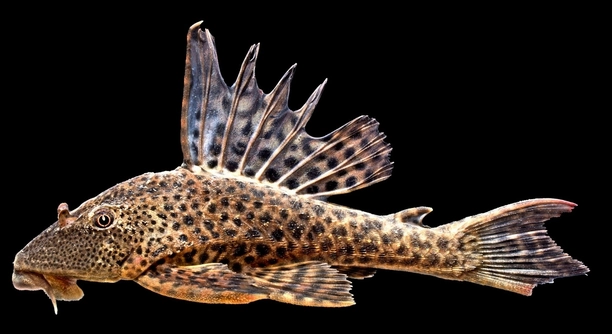
Plecos are fascinating fish, known for their unique behavior and helpful role in keeping aquariums clean. However, like many other fish, they can be shy and easily stressed in their environment. It’s essential to make them feel secure.
Creating a secure environment for a pleco involves ensuring they have hiding spots, stable water conditions, and a peaceful tank. By providing these key elements, your pleco will feel more comfortable and thrive in its environment.
By understanding the factors that make plecos feel safe, you can help your fish adjust better. These simple changes can ensure your pleco lives a stress-free life.
Provide Plenty of Hiding Spots
Plecos can be sensitive and prefer places where they can retreat and feel safe. Offering plenty of hiding spots helps your pleco avoid stress and feel more secure in its environment. You can use caves, rocks, or plants to create these spots. The goal is to make sure your pleco has enough options to escape from any potential threats or disruptions in the tank.
With various hiding places, your pleco can explore and rest in peace when needed. This also mimics their natural habitat, where they can hide in crevices to avoid predators. A stressed pleco might not eat or behave normally, so giving them a place to hide is crucial.
Adding a few strategically placed decorations and plants will also improve the overall look of your tank. It’s important to not overcrowd the space, though, as it could make it harder for the pleco to find a suitable hiding spot. The right balance is key to helping your pleco feel safe.
Maintain Consistent Water Conditions
Plecos need stable water conditions to thrive. Any significant changes in temperature, pH, or hardness can stress them out. Keep the water parameters consistent by using reliable filters and testing kits. A sudden fluctuation in water conditions can cause illness or discomfort for your pleco.
Plecos are quite sensitive to changes in their environment, so it’s crucial to monitor the water regularly. A good filtration system will also help maintain water quality, ensuring that your pleco can live in a healthy, stable tank. Be mindful of the temperature and keep it within the recommended range for your specific pleco species. Stable water conditions make a big difference in their overall well-being.
Testing the water frequently will ensure your pleco remains stress-free. Also, avoid placing your tank in areas with direct sunlight, as that can cause sudden temperature changes. Providing a consistent environment will help your pleco feel safe and secure.
Avoid Aggressive Tankmates
Plecos tend to be peaceful and can become stressed if they share their tank with aggressive fish. Avoid adding overly territorial or predatory species that might chase or bully them. This will reduce the chances of your pleco feeling threatened and allow it to live more peacefully.
Aggressive tankmates can cause physical harm or simply put the pleco in a constant state of stress. As a result, your pleco may hide more often, stop eating, or even show signs of illness. Keep in mind that plecos are bottom dwellers, so they often don’t have the option to escape easily if they’re harassed.
To avoid this issue, consider tankmates that are calm and peaceful. Fish like tetras, rasboras, or other plecos are typically good companions. Maintaining a calm community tank is key to creating an environment where your pleco feels safe and secure, promoting their overall health and well-being.
Provide a Proper Diet
A healthy and varied diet is essential for your pleco’s security. When a pleco is well-fed, it’s less likely to experience stress or health issues. They primarily eat algae, but supplementing their diet with sinking pellets, vegetables, or even driftwood helps mimic their natural food sources.
By offering a balanced diet, you not only help your pleco stay physically healthy but also reduce stress. Plecos can become anxious if they don’t have enough food or the right types of food. This anxiety can lead to poor health or aggressive behavior.
Make sure your pleco has access to a variety of food sources, ensuring that they meet all their nutritional needs. Feeding them regularly and monitoring how much they consume can also help avoid overfeeding or underfeeding, both of which can contribute to stress.
Keep Tank Lighting Soft
Bright lighting can make plecos feel exposed and uncomfortable. Soft, dim lighting is ideal as it mimics their natural habitat, where they often dwell in shaded areas. Too much light can increase stress levels, so it’s best to use gentle lighting that doesn’t shine directly on them.
Dimmer lighting gives plecos a sense of security. It allows them to move freely without feeling overly exposed. If your tank lights are too bright, consider using aquarium lights with adjustable settings or adding plants to create natural shaded areas. Your pleco will feel more relaxed in these conditions.
Creating shaded spots in the tank is a simple way to help plecos feel secure. This is especially important if your pleco spends a lot of time near the bottom or in caves. These shaded spaces make them feel protected and more likely to explore and thrive.
Maintain Proper Tank Size
Plecos need a spacious tank to feel comfortable and secure. A cramped environment can stress them out and hinder their growth. The minimum tank size for a pleco should be at least 30 gallons, with larger sizes preferred for larger plecos. More space allows them to swim freely and find hiding spots.
A larger tank not only provides space to swim but also keeps the water parameters more stable. This helps maintain a healthy environment where your pleco won’t feel confined. Make sure to give your pleco enough room to move around and explore.
Having ample space reduces territorial stress and creates a more natural environment for your pleco. This way, your pleco can feel secure in its home and won’t face the anxiety caused by overcrowding.
Use a Good Filter
Plecos are sensitive to water quality, and a good filter is essential for keeping their environment clean. An efficient filter removes waste and maintains water flow, which prevents harmful toxins from building up. This helps reduce stress and supports the overall health of your pleco.
A strong filtration system keeps the water clean and provides consistent flow, which plecos naturally enjoy. Make sure your filter isn’t too strong, though, as plecos prefer moderate water flow. If the current is too strong, they may feel anxious and avoid moving around.
Ensure that the filter is appropriately sized for your tank. A good filter system will improve the water quality, making your pleco feel more secure and healthy. Regular maintenance and cleaning of the filter are important to keep your pleco’s environment in top shape.
FAQ
How can I tell if my pleco is stressed?
Stressed plecos often exhibit a few clear signs. They may stop eating or hide more frequently. If you notice your pleco’s color fading or it acting unusually lethargic, these can be signs of stress. Rapid breathing or swimming erratically could also indicate discomfort. A stressed pleco might also spend more time near the bottom of the tank or in darker areas, avoiding light. Keep an eye on its behavior and adjust the tank conditions accordingly to reduce stress.
What kind of water temperature is best for plecos?
Plecos prefer water temperatures between 74°F and 80°F (23°C to 27°C). Keeping the water in this range helps mimic their natural environment. Sudden temperature fluctuations can cause stress and make your pleco more vulnerable to illness. It’s important to maintain a stable temperature, so using a heater and checking the water regularly with a thermometer is highly recommended.
Can plecos live with other fish?
Yes, plecos can live with other fish, but it’s important to choose their tankmates carefully. They are peaceful and typically get along well with calm fish such as tetras, guppies, or rasboras. However, avoid aggressive or territorial species that might harass or bully them. Tankmates should be compatible with plecos’ peaceful nature and should not compete for the same food. Keep in mind that plecos are bottom dwellers, so they tend to stay near the substrate.
How often should I feed my pleco?
Plecos are not big eaters, but they need a consistent diet. Feeding them once or twice a day is usually enough. You can offer them sinking pellets, algae wafers, and occasional vegetables like zucchini, spinach, or cucumber. Make sure to remove uneaten food after a few hours to prevent water quality issues. Overfeeding can lead to poor water conditions and health problems for your pleco.
Do plecos need special lighting?
Plecos don’t require special lighting, but they do prefer dim, soft light. Bright lighting can cause them stress, so it’s best to use adjustable lights or even add plants to create shaded areas. This allows your pleco to feel secure and comfortable in its environment. A calm, low-light environment mimics their natural habitat, making them less likely to feel exposed or threatened.
What size tank does a pleco need?
The size of the tank largely depends on the type of pleco you have. Smaller species may do well in a 30-gallon tank, while larger species need 75 gallons or more. Plecos can grow quite large, so providing enough space is essential for their well-being. A larger tank also helps maintain stable water conditions, which is important for reducing stress and promoting health.
How do I know if my pleco is healthy?
A healthy pleco has vibrant colors, swims actively, and is eating well. If your pleco is hiding more often than usual or not eating, it might indicate a health problem. Healthy plecos also keep their fins spread out and avoid rubbing against objects. If you notice any unusual behavior, such as lesions or frayed fins, it’s important to check water conditions and possibly consult a vet.
Do plecos need to be alone in the tank?
No, plecos don’t need to be alone, but they prefer a peaceful, low-stress environment. They usually get along with other non-aggressive fish. However, certain pleco species can become territorial and may not tolerate other plecos in the same tank. Make sure to provide enough space for each fish and offer plenty of hiding spots to prevent any conflicts.
Can plecos live in a tank with plants?
Yes, plecos can live in a tank with plants, and many of them benefit from the added greenery. Plants can help create hiding spots and improve the overall water quality by absorbing nitrates. However, some plecos may nibble on plants, so choose species that are tough enough to withstand this. Plant species like Java fern, Anubias, and Amazon sword are good choices that can thrive in pleco tanks.
What should I do if my pleco is not eating?
If your pleco stops eating, the first thing to check is the water quality. Poor water conditions, such as high ammonia or nitrite levels, can cause stress and lead to loss of appetite. Ensure the water temperature, pH, and hardness are within the recommended range for your pleco species. Additionally, try offering different types of food, such as algae wafers or vegetables, to encourage eating. If the problem persists, a visit to a vet may be necessary.
How long do plecos live?
The lifespan of a pleco varies depending on the species, but on average, they can live between 10 to 15 years. Some larger species, like the common pleco, can live even longer if cared for properly. A well-maintained tank with stable water conditions, a proper diet, and enough space will help your pleco live a long, healthy life. Regular check-ups on tank conditions and any changes in behavior will also contribute to their longevity.
How can I help my pleco stay active?
To keep your pleco active, ensure that the tank environment is enriched with plenty of hiding spots, plants, and rocks. A varied diet will also encourage activity, as plecos tend to be more engaged when they are properly fed. Keep the water conditions stable and provide some water flow, as plecos naturally enjoy gentle currents. A well-balanced environment reduces stress and encourages your pleco to move around and explore.
Final Thoughts
Creating a secure environment for your pleco doesn’t have to be complicated. By focusing on the basics—like providing hiding spots, maintaining stable water conditions, and offering a good diet—you can help your pleco feel more at ease. Plecos are peaceful creatures, and they thrive best when their environment closely resembles their natural habitat. Ensuring that they have access to safe areas, a clean tank, and proper care will lead to a healthier, happier pleco.
One of the most important things to remember is that plecos can be sensitive to stress, so their tank environment needs to be stable. Sudden changes in water temperature, aggressive tankmates, or poor water quality can all contribute to stress, affecting their behavior and overall health. By paying attention to these factors and making necessary adjustments, you can create a calm and secure space for your pleco to thrive. With proper care, your pleco can live for many years, enriching your tank and contributing to the balance of the ecosystem.
In the end, caring for a pleco is about finding the right balance. You don’t need to be an expert to create a safe environment. Simply follow the basics—good water conditions, proper tankmates, and a variety of food options—and your pleco will likely thrive. Taking the time to learn about their needs and adjusting the tank accordingly will help your pleco feel secure, ultimately ensuring they lead a long and healthy life in your aquarium.

Hello,
If you enjoy the content that we create, please consider saying a "Thank You!" by leaving a tip.
Every little bit helps us continue crafting quality advice that supports the health, happiness, and well-being of pets around the world, for pets of all shapes, sizes, and species.
We really appreciate the kindness and support that you show us!