
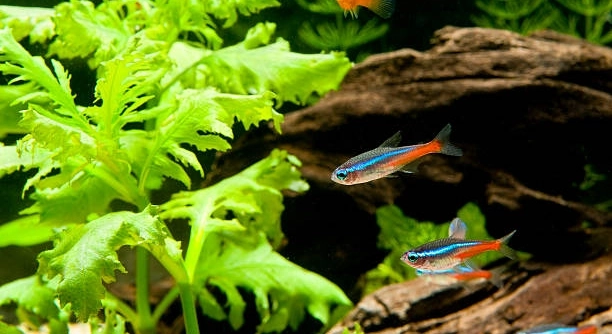
Maintaining stable water parameters is essential for the health of your Neon Tetra. Small changes in water quality can impact their well-being. This article covers easy methods to ensure a consistent and healthy environment for your fish.
The best way to maintain stable water parameters for Neon Tetras is by regularly testing water quality and adjusting factors like temperature, pH, hardness, and ammonia levels. Consistent water changes, proper filtration, and monitoring ensure a stable environment for your fish.
Understanding these methods will help you create a stable environment, leading to healthier, more vibrant Neon Tetras in your aquarium.
Regular Water Testing
Testing your aquarium’s water is crucial for Neon Tetras. Ammonia, nitrites, and nitrates can easily fluctuate, affecting fish health. Use a reliable test kit to monitor these levels at least once a week. The ideal water parameters for Neon Tetras include a pH range of 6.0 to 7.0, with ammonia and nitrite levels at zero. By regularly testing, you’ll catch problems early, allowing you to adjust before any harm is done to your fish. Remember to keep a record of the readings to help spot any trends or potential issues.
Consistently testing water helps ensure a stable environment, preventing sudden changes that could stress your Neon Tetras.
It’s also essential to monitor the water temperature, keeping it within the ideal range of 72 to 78°F. Using a reliable aquarium thermometer is necessary to track fluctuations. Sudden changes in temperature can harm your fish, weakening their immune system. Keeping the temperature steady allows them to thrive in their environment. Avoid placing your tank in areas with high heat sources or direct sunlight, as this can cause the water to warm up unexpectedly.
Proper Filtration
Filtration plays a key role in maintaining water quality. A good filter keeps the water clean by removing debris and maintaining beneficial bacteria that process waste. It is important to choose a filter suitable for your tank size and the needs of your Neon Tetras. Regular maintenance is necessary to prevent the filter from becoming clogged and inefficient.
A clean filter prevents the build-up of harmful substances and helps create a stable environment for your fish.
Changing the filter media regularly is crucial for maintaining filtration efficiency. Follow the manufacturer’s instructions to avoid disrupting the beneficial bacteria colonies. When replacing the media, try to do it gradually to prevent sudden changes in the tank’s biological balance. Additionally, consider using a sponge filter for tanks with Neon Tetras. These filters provide gentle water movement, which is ideal for delicate fish like Neon Tetras. They also help oxygenate the water, creating a healthier environment.
Consistent Water Changes
Regular water changes help maintain water quality by removing toxins and replenishing essential minerals. Aim for 20-25% water changes every 1-2 weeks, depending on your tank’s size and stocking level. Be sure to use a dechlorinator when adding fresh water to avoid harming your fish.
Changing water consistently reduces the risk of harmful build-ups like nitrates, which can cause health issues for your Neon Tetras. It also keeps the tank environment stable, which is crucial for their overall well-being. The more consistent the water changes, the less likely you are to face sudden water quality issues.
When performing water changes, be careful not to disrupt the substrate or disturb any plants. Gently siphon the gravel to remove debris without uprooting plants or disturbing the ecosystem. After replacing the water, always check the temperature to ensure it matches the tank’s temperature. Drastic changes in temperature can stress your fish, so it’s important to maintain a balanced environment.
Avoid Overfeeding
Overfeeding is a common mistake that affects water quality. Leftover food decomposes and raises ammonia levels, which can harm your Neon Tetras. It’s important to feed only what they can eat in a few minutes.
Feeding your fish the right amount ensures that you won’t overburden your filter. Excess food will not only pollute the water but may also cause an imbalance in the nitrogen cycle. To avoid overfeeding, observe your Neon Tetras during feeding time and stop when they begin to lose interest.
In addition, consider using a feeding ring to prevent food from spreading across the tank and settling in the substrate. This helps keep uneaten food contained and easier to clean up. Overfeeding not only affects water quality but can also lead to obesity in fish, which causes long-term health issues. Keep portions small and adjust as necessary to maintain a healthy diet for your Neon Tetras.
Monitor pH Levels
Neon Tetras thrive in slightly acidic water with a pH between 6.0 and 7.0. It’s important to monitor pH levels regularly since changes can cause stress and health problems for your fish. Test kits designed for aquariums will give accurate readings.
To maintain the proper pH, use buffer solutions if necessary. Driftwood or Indian almond leaves can naturally lower pH, providing a more stable environment. Be cautious when adjusting pH levels too quickly, as rapid changes can cause shock and harm your fish.
Maintain Hardness
Water hardness is another factor that impacts your Neon Tetra’s health. Soft water, with a low hardness level, is ideal for these fish. Regular testing is necessary to ensure the water remains within the desired range.
If the hardness level is too high, consider using a reverse osmosis (RO) filter or adding peat moss to the filter to lower the hardness. On the other hand, if the water is too soft, adding crushed coral or minerals can help raise the hardness. Keeping the hardness stable promotes healthier, more vibrant Neon Tetras.
Keep the Tank Clean
A clean tank reduces the risk of bacterial and fungal infections, keeping your Neon Tetras safe and healthy. Clean any decorations, plants, and the substrate regularly to avoid any buildup of waste.
Remove uneaten food and debris after feeding. Use an aquarium vacuum to clean the gravel while doing water changes. Keeping the tank clean also helps maintain stable water parameters, making it easier to manage overall water quality. Regular cleaning ensures that your fish live in a stress-free environment, improving their overall health and longevity.
FAQ
How often should I test the water for my Neon Tetras?
It’s recommended to test your aquarium water at least once a week. Regular testing helps catch issues like ammonia spikes, which can be harmful to your Neon Tetras. By monitoring parameters such as pH, nitrate, nitrite, and ammonia, you can ensure that the water stays within the ideal range for your fish. Testing more frequently, especially after water changes or if you notice unusual behavior in your fish, can help prevent sudden water quality problems.
Can I use tap water for my Neon Tetras?
You can use tap water, but it’s essential to treat it first. Tap water often contains chlorine or chloramine, which is toxic to fish. Always use a water conditioner or dechlorinator to remove these harmful chemicals before adding it to your tank. You also need to check the water hardness and pH, as tap water can vary significantly depending on your location. If the parameters are outside the preferred range for Neon Tetras, consider using a water softener or mixing in RO (reverse osmosis) water.
What is the best water temperature for Neon Tetras?
Neon Tetras thrive in water temperatures between 72°F and 78°F (22°C to 26°C). Keeping the water temperature consistent within this range helps avoid stress and health issues. Sudden temperature fluctuations can weaken their immune system, making them more susceptible to diseases. Using an aquarium heater can help maintain a stable temperature, especially in rooms with fluctuating ambient temperatures.
How can I control ammonia levels in my tank?
Ammonia levels can rise due to overfeeding, inadequate filtration, or poor water maintenance. The most effective way to control ammonia is through regular water changes (20-25% every 1-2 weeks) and by using a good filtration system. You can also add live plants, which help absorb excess nutrients, including ammonia. A biological filter containing beneficial bacteria will convert harmful ammonia into nitrites and eventually into nitrates, which are less toxic but still require removal during water changes.
Why are my Neon Tetras swimming at the top of the tank?
If your Neon Tetras are swimming at the top of the tank, it could indicate poor water quality or low oxygen levels. First, check for any ammonia or nitrite spikes in the water, as these can cause fish to seek the surface. Ensure your filter is functioning properly and providing adequate oxygenation. Adding an air stone or adjusting the filter flow can help improve oxygen levels. Also, make sure the water temperature is not too high, as warmer water holds less oxygen.
How do I prevent algae growth in my tank?
Excess light, overfeeding, and high nutrient levels in the water can promote algae growth. To prevent algae, reduce the amount of light your tank receives by limiting lighting to 6-8 hours per day. Remove any leftover food after feeding, and be cautious not to overfeed. Regularly clean the tank, remove any visible algae, and ensure the water parameters remain stable. Adding algae-eating fish or snails can also help control algae in the aquarium.
Should I use a substrate with Neon Tetras?
A soft, dark substrate is ideal for Neon Tetras. They naturally prefer dimmer environments, and a dark substrate helps them feel more secure. Gravel or sand is suitable, but avoid sharp-edged gravel that could damage their delicate fins. Keep the substrate clean by vacuuming it during water changes to prevent waste build-up and maintain water quality.
Can Neon Tetras live with other fish?
Yes, Neon Tetras are peaceful and do well with other non-aggressive species, such as small community fish. Avoid placing them with larger, more aggressive fish that might view them as food. Good tank mates include guppies, Corydoras, and other small tetras. Ensure the tank has plenty of hiding spots and swimming areas to minimize stress for all fish.
How can I tell if my Neon Tetras are stressed?
Signs of stress in Neon Tetras include fading colors, erratic swimming, hiding more than usual, or staying near the surface. Stress can result from poor water quality, temperature fluctuations, overcrowding, or aggressive tank mates. Regular water testing, proper tank maintenance, and providing a stable environment can help reduce stress.
Why is my Neon Tetra losing its color?
Neon Tetras can lose their color due to poor water quality, stress, or illness. A drop in pH, high ammonia levels, or inadequate water conditions can cause their vibrant colors to fade. Stress from inappropriate tank mates or environmental factors can also affect their coloration. Ensuring stable water conditions and a peaceful environment will help maintain their color and overall health. If the issue persists, consider isolating the affected fish to monitor for potential diseases.
How long do Neon Tetras live?
On average, Neon Tetras live for about 5 to 10 years with proper care. Their lifespan depends on water quality, tank conditions, and whether they are kept in a stress-free environment. Providing consistent care, maintaining good water parameters, and avoiding overcrowding will help extend their lifespan.
Do I need a filter for my Neon Tetra tank?
Yes, a filter is essential for maintaining water quality in a Neon Tetra tank. It helps remove waste, debris, and harmful chemicals like ammonia and nitrites. A proper filter also provides aeration and supports beneficial bacteria, which break down organic matter. Ensure the filter is appropriate for your tank size and provides gentle water flow, as Neon Tetras prefer calmer water. Regular maintenance of the filter is necessary to ensure it works efficiently.
Final Thoughts
Maintaining stable water parameters is crucial for the health and well-being of Neon Tetras. These small, vibrant fish are sensitive to changes in their environment, and even minor fluctuations in water quality can lead to stress, disease, or death. By consistently monitoring and adjusting factors like pH, hardness, and ammonia levels, you can create a stable and thriving environment for your fish. Regular water testing, proper filtration, and maintaining the right water temperature are all key practices to ensure that your Neon Tetras live in the best possible conditions.
Water changes play a significant role in maintaining healthy water parameters. Regularly removing a portion of the water and replacing it with fresh, treated water helps dilute harmful substances like ammonia and nitrates. In addition to water changes, keeping the tank clean and removing uneaten food or waste can prevent these substances from accumulating. Also, maintaining an effective filtration system is essential, as it helps remove debris and provides aeration, which is important for your fish’s oxygen needs. The more attention you give to these aspects of tank maintenance, the more likely your Neon Tetras will thrive.
Lastly, creating a peaceful and stress-free environment will further improve the overall health of your Neon Tetras. Stress can weaken their immune systems, making them more vulnerable to disease. Ensure that they are kept in a well-planted tank with plenty of hiding spots. Additionally, be mindful of the water temperature, as fluctuations can cause distress. By sticking to a routine of regular maintenance, water testing, and careful observation, you can provide your Neon Tetras with an environment where they can flourish, leading to vibrant colors and long, healthy lives.

Hello,
If you enjoy the content that we create, please consider saying a "Thank You!" by leaving a tip.
Every little bit helps us continue crafting quality advice that supports the health, happiness, and well-being of pets around the world, for pets of all shapes, sizes, and species.
We really appreciate the kindness and support that you show us!