
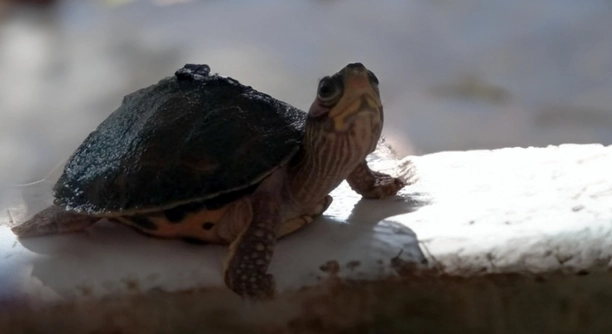
Keeping your Indian Roofed Tortoise’s nails properly trimmed is important for its health and well-being. Long nails can cause discomfort or even injury, making regular trimming essential to ensure they remain in good condition.
The best way to maintain your tortoise’s nails is by regularly checking their length and trimming them with appropriate tools. You can use nail clippers or a Dremel tool to carefully trim off the excess length to avoid injury.
By following these simple methods, you can help your tortoise stay comfortable and healthy. Keeping up with nail care is key to its overall well-being.
Why Nail Care Matters for Your Indian Roofed Tortoise
Taking care of your Indian Roofed Tortoise’s nails is essential for their comfort and health. Tortoises use their nails for a variety of activities like climbing, digging, and foraging. Overgrown nails can cause problems, such as difficulty moving, irritation, or even injury. When nails grow too long, they can become caught in bedding or other surfaces, leading to breaks or tears. Additionally, long nails can put unnecessary pressure on your tortoise’s feet, causing joint issues or limping over time.
Regular nail trimming helps prevent these problems. It’s a simple but important part of keeping your tortoise comfortable and ensuring its mobility. You should check your tortoise’s nails frequently, especially as they grow older or less active, to ensure they don’t become too long. Getting the right trimming tools and taking your time can make the process easier for both you and your tortoise.
Keeping their nails short can also aid in maintaining healthy foot posture, preventing infections caused by excessive wear or pressure. By staying on top of nail care, you help your tortoise live a more active, comfortable life.
Tools You’ll Need for Trimming
Trimming your tortoise’s nails requires the right tools to ensure safety and precision. A pair of small animal nail clippers or a Dremel tool is ideal for this task.
A Dremel tool is often preferred as it allows you to carefully grind the nails down without cutting into the quick, which can cause pain or bleeding. Make sure the tool is set on the lowest speed to prevent overheating. If using nail clippers, opt for those designed for small animals to ensure you can trim the nails without causing injury. Always make sure the tools are clean and sanitized before use.
Step-by-Step Guide to Trimming Your Tortoise’s Nails
Before you begin trimming, make sure your tortoise is calm. Place them on a soft surface to avoid slipping or injury. Hold your tortoise gently but securely, and assess the nails. Look for the sharp or overgrown nails that need trimming, being careful not to cut too much. If you’re using clippers, trim only the tip of the nail, avoiding the quick (the sensitive part). For a Dremel, slowly grind the nail, checking frequently to ensure you’re not going too far. Keep the process slow to avoid stressing your tortoise out.
It’s also essential to take breaks during the trimming process if needed, especially for nervous tortoises. If you’re unsure about trimming yourself, don’t hesitate to ask a veterinarian to guide you through it the first time. It may take a few tries to become comfortable, but regular care will eventually make the process easier for both you and your tortoise.
Signs Your Tortoise’s Nails Need Trimming
Overgrown nails can cause visible issues such as difficulty moving or limping. You may also notice the nails curling or breaking. If your tortoise is dragging its feet or seems less active than usual, it could be a sign that the nails are too long.
Examine your tortoise regularly to check if their nails have grown too long or are causing any discomfort. When the nails curl around or appear to be caught in bedding, it’s time for a trim. Overgrown nails can also cause irritation, leading to excessive scratching. Keeping an eye on these signs can help prevent issues before they become too serious.
Long nails can affect your tortoise’s balance, making it hard for them to walk or climb. This can impact their ability to forage and move freely in their environment. It’s important to stay on top of their nail care to avoid these problems and ensure your tortoise’s health and well-being.
What to Avoid When Trimming Tortoise Nails
Never rush when trimming your tortoise’s nails. Going too fast can cause unintentional injury or stress your pet out. Be sure to trim only the tip of the nail, as cutting too far can damage the quick and cause bleeding.
Using the wrong tools can also cause harm. Regular human nail clippers may not be sharp enough to handle the hardness of tortoise nails. Similarly, trying to trim too many nails at once can overwhelm your tortoise. Always prioritize quality tools and a steady approach to make the process smoother and safer for both of you.
Take your time to carefully assess each nail before trimming. Overcutting can leave your tortoise in pain and may result in infections. Patience and the right technique will ensure that your tortoise’s nails are properly cared for without causing harm.
How Often Should You Trim Your Tortoise’s Nails?
The frequency of nail trimming depends on your tortoise’s activity level and environment. For most tortoises, trimming every 4-6 weeks is sufficient. However, if your tortoise is more active, you may need to trim more often.
Tortoises that spend a lot of time outside may naturally wear down their nails through movement on rough surfaces. In contrast, indoor tortoises may need more frequent trimming since they don’t have the same opportunity to wear down their nails. Regular checks will help you determine the right trimming schedule.
Benefits of Proper Nail Care
Regular nail trimming can prevent injury and discomfort, ensuring your tortoise remains active and healthy. It also helps with overall foot health, preventing issues like infections or misalignments. Proper care allows your tortoise to walk and climb more easily, promoting better mobility and quality of life.
Additionally, keeping nails trimmed reduces the risk of them becoming caught in bedding or other materials. This minimizes stress and prevents breaks or painful tears. A well-maintained tortoise is happier, more active, and better able to enjoy its environment. Nail care is an essential part of your tortoise’s overall well-being.
Common Mistakes to Avoid When Trimming
It’s easy to make mistakes while trimming tortoise nails, especially if you’re new to the process. One common error is cutting too far, which can lead to bleeding and pain. Another mistake is not using the right tools, which can make the job more difficult.
It’s important to stay calm and focused when trimming to prevent accidents. Avoid trying to cut too much at once, and always take breaks if needed. If you’re unsure about the process, seeking guidance from a vet can help you avoid common mistakes and make nail trimming easier.
FAQ
How do I know if my tortoise’s nails are too long?
If your tortoise’s nails are curling under or causing it to limp, they are likely too long. Another sign is if the nails are visibly catching on bedding or surfaces. Regular checks will help you spot these signs early and prevent any issues before they become serious.
Can I trim my tortoise’s nails with human nail clippers?
It’s not recommended to use human nail clippers. They are typically not sharp or strong enough to handle the thickness of tortoise nails. Instead, opt for small animal clippers or a Dremel tool, which are specifically designed for this purpose. These tools offer more control and precision.
What should I do if I cut too far and cause bleeding?
If you accidentally cut into the quick, causing bleeding, don’t panic. Apply pressure with a clean cloth to stop the bleeding. You can also use styptic powder or cornstarch to help clot the blood. If the bleeding doesn’t stop or if the injury appears severe, consult a vet.
How can I make my tortoise feel comfortable during nail trimming?
To make the process easier, keep your tortoise calm by placing it on a soft, non-slippery surface. Gently hold it in place without causing stress. You can also try trimming during a time when your tortoise is most relaxed. Take breaks if needed, and keep the experience as calm as possible.
How often should I check my tortoise’s nails?
It’s a good idea to check your tortoise’s nails every 2-3 weeks. This will help you keep track of their growth and identify any issues early. Depending on your tortoise’s activity level, you may need to trim them every 4-6 weeks, but checking regularly ensures you stay on top of nail care.
Can I use a Dremel tool for trimming my tortoise’s nails?
Yes, a Dremel tool is an excellent choice for trimming tortoise nails. The rotary tool allows you to carefully grind the nails down without the risk of cutting too much. Just ensure the speed is set to low to prevent overheating, and use the tool gently to avoid causing stress or injury.
Is it safe to trim my tortoise’s nails myself?
Trimming your tortoise’s nails at home is safe as long as you use the right tools and approach it carefully. Take your time, trim only a small amount, and avoid cutting too close to the quick. If you’re unsure or uncomfortable, you can always consult a vet or professional for guidance.
Can overgrown nails cause my tortoise any pain or health problems?
Yes, overgrown nails can cause discomfort and health issues. Long nails may prevent your tortoise from walking properly or cause stress on its feet and legs. In severe cases, overgrown nails can lead to foot deformities, joint issues, or infections, so regular trimming is important to maintain their health.
Are there any natural ways to help wear down my tortoise’s nails?
Allowing your tortoise to roam on rough surfaces can naturally help wear down their nails. Outdoor environments with gravel, rocks, or other abrasive materials can help keep nails trimmed. If your tortoise is kept indoors, consider providing a textured surface to help reduce nail growth.
What are the best tools for trimming my tortoise’s nails?
The best tools for trimming your tortoise’s nails are small animal clippers or a Dremel tool. Nail clippers designed for reptiles are sharp enough to handle tortoise nails without causing damage. A Dremel tool with a low-speed setting allows for more controlled grinding and precision.
How can I prevent my tortoise’s nails from becoming overgrown in the future?
To prevent overgrowth, provide a proper environment where your tortoise can naturally wear down its nails. If your tortoise is indoors, make sure to include rough surfaces or materials like rocks or gravel. Regular nail checks and trims are also essential to keep them at a healthy length.
Is it normal for my tortoise’s nails to grow quickly?
The growth rate of a tortoise’s nails depends on factors such as age, activity level, and diet. Younger, more active tortoises may experience faster nail growth. If your tortoise is less active or confined to an enclosure, its nails may grow more slowly. Regular checks will help you stay on top of trimming.
Can I use baby nail clippers on my tortoise?
Baby nail clippers are not ideal for tortoises because they may not be strong enough to cut through their thicker nails. It’s better to use small animal clippers or a Dremel tool, which are specifically designed for the job and offer better control.
What do I do if my tortoise is really stressed during the nail trim?
If your tortoise seems very stressed, it’s important to take a break. Try to handle the situation calmly, and don’t force the trim. You can wrap your tortoise in a soft towel to help it feel more secure. If it’s too stressed, it might be better to postpone the trim or consult a vet for advice.
Final Thoughts
Trimming your tortoise’s nails is an important part of keeping it healthy and comfortable. Regularly checking and trimming the nails ensures that your tortoise can move freely and avoids injury. Overgrown nails can cause pain, limit mobility, and even lead to long-term foot problems if not addressed. By following the simple steps for trimming and making sure the process is stress-free, you can maintain your tortoise’s well-being with minimal effort.
Using the right tools is essential for a safe and effective trim. Animal clippers or a Dremel tool are the best choices. Make sure the clippers are sharp and suitable for tortoises. Always trim slowly and carefully, taking breaks if needed, to avoid cutting too far and causing injury. If you’re unsure or worried about the process, it’s okay to seek advice from a vet or professional. They can guide you through the right techniques or even trim the nails for you if needed.
Keeping your tortoise’s nails in check is more than just a grooming task—it’s a vital part of its overall health and comfort. Make nail trimming a regular part of your tortoise’s care routine, checking every few weeks to see if it’s time for a trim. By taking the time to care for its nails properly, you’ll ensure your tortoise leads a more active, happier life. It’s a small effort that can make a big difference.

Hello,
If you enjoy the content that we create, please consider saying a "Thank You!" by leaving a tip.
Every little bit helps us continue crafting quality advice that supports the health, happiness, and well-being of pets around the world, for pets of all shapes, sizes, and species.
We really appreciate the kindness and support that you show us!