
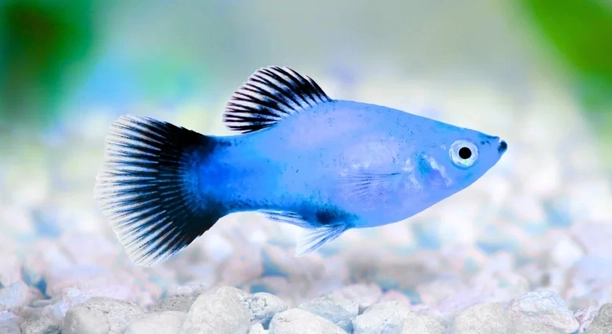
Moving platies to a new tank can be stressful for these delicate fish. Sudden changes in their environment often cause them to become anxious or restless. Keeping them calm during moves helps maintain their health and well-being.
To keep platies calm during moves, it is essential to minimize stress by maintaining stable water conditions, reducing handling, providing hiding spots, controlling light and noise levels, and ensuring a gradual transition between tanks. These steps support their comfort and reduce shock.
Understanding how to ease your platies’ transition can improve their adjustment and overall happiness. The following tips will help create a smoother experience for both you and your fish.
Prepare the Tank in Advance
Setting up the new tank before moving your platies is very important. Make sure the water temperature matches the original tank as closely as possible. Check the pH level and other water parameters like ammonia and nitrate to avoid sudden changes. Add plants or decorations to give your platies places to hide and feel secure. Having a clean, stable environment waiting for them will reduce their stress significantly. Prepare everything so your platies can settle quickly once they are introduced. Avoid adding chemicals or new fish just before the move to keep conditions stable. Also, check that the tank filter is working well to maintain water quality. Taking these steps helps your platies adjust smoothly to their new home.
Keeping the tank ready helps prevent shock and makes your platies feel safe right away.
Preparing the tank ahead means your platies won’t have to face sudden, uncomfortable changes. When the water temperature, pH, and cleanliness match their old tank, the fish feel more secure. Plants and hiding spots reduce anxiety by giving them places to retreat. A well-prepared tank is a calm tank, which helps reduce the chances of illness or aggressive behavior after the move.
Minimize Handling During the Move
Handling platies too much can increase their stress levels.
It’s best to move your platies using a clean container filled with water from their current tank. Avoid grabbing them with nets or your hands unless necessary, as this can cause injury or shock. Gently transferring them with water helps keep their environment stable and reduces stress. Use a lid to prevent splashing or jumping during transport. Keeping the move quick and calm helps protect your fish’s health. Avoid loud noises or sudden movements near the container during the move to keep them calm. This careful handling supports their wellbeing through the change.
Control Lighting and Noise
Bright lights and loud sounds can make platies nervous during a move.
Keeping the lighting soft and consistent helps reduce their stress. Avoid sudden changes in brightness, as this can startle them. Placing the tank in a quiet area away from household noise will also create a calmer environment.
Using a low light level mimics their natural habitat, making them feel safer. Loud noises or vibrations can increase their anxiety, so choose a peaceful spot. If possible, cover part of the tank with a cloth to block out excess light and movement, helping platies stay calm during adjustment.
Provide Hiding Spots
Hiding spots are essential for platies’ comfort after a move.
Plants, decorations, or small caves give them places to retreat when feeling stressed. These hiding areas help platies feel secure and reduce their exposure to potential threats. Without hiding spots, they may swim nervously or hide constantly, which can harm their health.
Adding soft plants or decorations with smooth edges is best, avoiding sharp items that could injure your fish. Arrange these hiding places so they are easy to access but don’t crowd the tank. A well-decorated tank supports calmer behavior and helps platies recover from the stress of moving.
Keep Water Conditions Stable
Maintaining stable water conditions during the move is crucial for platies. Sudden changes in temperature, pH, or water quality can cause stress or illness.
Use water from their original tank when transporting them. This keeps familiar bacteria and water chemistry consistent, helping your platies stay comfortable and healthy throughout the transition.
Reduce Feeding Before the Move
Feeding platies less before a move helps prevent water pollution during transport.
A light feeding schedule reduces waste, keeping the water cleaner and safer for your fish. Avoid feeding them on the day of the move to minimize the risk of digestive issues or water contamination.
Monitor Behavior After Moving
Watch your platies carefully after the move. Look for signs of stress such as hiding, loss of appetite, or erratic swimming. Early detection helps you respond quickly and keep them healthy.
Maintain a Calm Environment
Keeping the surroundings calm and quiet supports your platies’ recovery. Avoid loud noises, sudden movements, or bright lights near their new tank during the first few days.
FAQ
How long does it take for platies to calm down after a move?
Platies usually start calming down within a few hours to a couple of days after being moved. The exact time depends on how stressful the move was and how stable their new environment is. Keeping water conditions steady and providing hiding spots helps speed up their recovery. If they remain stressed after several days, it may indicate issues like water quality problems or illness.
Can I use tap water when moving platies?
It’s best to avoid using plain tap water during the move unless it has been properly treated. Tap water often contains chlorine or chloramine, which are harmful to fish. If you need to add water, treat it with a water conditioner first. Ideally, transport platies using water from their original tank to maintain familiar chemical balance and reduce stress.
Should I turn off the tank filter during the move?
It depends on the situation. During short moves, keeping the filter running can help maintain water quality. However, during transport in a small container, it’s usually not practical to run the filter. When moving the fish to the new tank, make sure the filter in the new tank is already working well to keep the water clean and oxygenated.
Is it normal for platies to hide a lot after moving?
Yes, hiding is a natural behavior when platies feel stressed or insecure. After moving, they may spend more time in hiding spots to feel safe. This behavior usually decreases within a few days as they get used to their new surroundings. If hiding continues for weeks or is combined with other signs like lack of appetite, it could mean the fish are still stressed or unwell.
How often should I feed platies after moving them?
After a move, feeding should be light and careful. Start by offering small amounts once a day to avoid overfeeding and water pollution. Watch for their appetite and adjust accordingly. Healthy platies usually resume normal feeding within a day or two after settling in. Avoid feeding on the day of the move to prevent stress and digestive issues.
Can sudden temperature changes harm platies during a move?
Yes, sudden temperature changes are one of the main stress factors for platies. Keeping the water temperature stable between the old and new tank reduces shock and helps them stay calm. Use a heater or cooler if needed to match temperatures before moving the fish.
What should I do if a platy looks sick after moving?
If a platy shows signs of illness such as clamped fins, faded colors, or lethargy, act quickly. Check water quality for ammonia, nitrites, and nitrates, and adjust as needed. Isolate sick fish to prevent spreading disease. Consult a vet or aquatic specialist for proper diagnosis and treatment.
Is it okay to move platies with other fish?
Moving platies with other peaceful fish is generally fine if the tank size allows and conditions are stable. Avoid mixing aggressive or territorial species during the move to prevent fights and stress. Keeping fish separated during transport can also help reduce injury risks.
How important is lighting during a move?
Lighting plays a key role in reducing stress. Avoid bright, flashing, or sudden light changes during and after the move. Soft, consistent lighting mimics natural conditions and helps platies stay calm. Covering part of the tank can help block excess light and movement.
Can I add stress relief products to the water?
Some commercial products claim to reduce fish stress during moves. While these can sometimes help, they are not a substitute for good tank preparation and careful handling. Always follow instructions and use them as a backup, not a primary solution. Maintaining water quality and minimizing handling remain the best ways to keep platies calm.
Moving platies can be a stressful time for both the fish and the owner. The key to a smooth transition is preparation and care. By setting up the new tank properly before the move, you reduce many risks that can cause stress to your platies. Matching water temperature, pH, and cleanliness between tanks helps your fish feel safe and secure in their new environment. Adding hiding spots like plants and decorations gives them places to relax and reduces anxiety. All these steps work together to keep your platies calm and healthy during a change.
Handling platies carefully during transport is equally important. Avoid excessive netting or touching, as this can harm their delicate bodies and increase stress. Using water from their original tank when moving them helps keep water conditions stable, which is critical to their well-being. Keeping the lighting soft and the environment quiet further supports their calmness. Stress can weaken fish and make them more prone to illness, so creating a peaceful setting helps them adjust faster. Watching their behavior closely after the move allows you to spot any signs of trouble early.
Patience is essential when moving platies. They may hide or act differently for a few days as they get used to the new surroundings. This is normal and usually improves with time. Consistent feeding, stable water quality, and a calm environment all support their recovery. If problems persist, checking water parameters and seeking advice from an expert can prevent serious issues. Keeping these basic principles in mind makes moving platies less stressful and helps your fish thrive in their new home.

Hello,
If you enjoy the content that we create, please consider saying a "Thank You!" by leaving a tip.
Every little bit helps us continue crafting quality advice that supports the health, happiness, and well-being of pets around the world, for pets of all shapes, sizes, and species.
We really appreciate the kindness and support that you show us!