
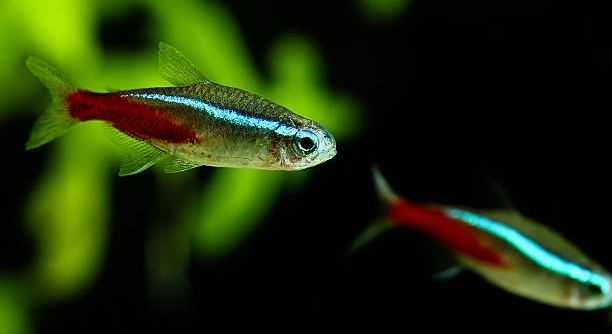
Maintaining a pest-free environment for your neon tetra tank is crucial for their health. Keeping the tank clean and free from harmful pests ensures a safe and thriving habitat for your fish.
The simplest way to maintain a pest-free neon tetra tank is by regularly cleaning the tank, using proper filtration, and carefully monitoring the water quality. Preventing overfeeding and avoiding introducing contaminated plants or equipment also significantly reduces pest risks.
With these methods in place, you’ll be able to protect your neon tetras from common tank pests. Keep reading to learn more tips for keeping your aquatic pets safe and healthy.
Regular Water Changes
One of the easiest ways to keep your neon tetra tank pest-free is by performing regular water changes. This helps maintain the overall health of your fish while reducing the buildup of waste that can attract unwanted pests. Changing 25-30% of the water every week will prevent harmful substances from accumulating. It also ensures your fish have a fresh and clean environment. Use a siphon to remove debris from the bottom and scrub any algae off the sides of the tank. Doing so will limit the chances of pests settling in.
Water changes help to remove excess nutrients that can fuel algae and pest growth. In addition, it improves oxygen levels and keeps the water conditions stable for your neon tetras. A consistent schedule will make a huge difference in maintaining a healthy, pest-free tank.
Make sure to use dechlorinated water when refilling the tank to avoid introducing chemicals that could harm your fish. Keeping up with regular water changes will not only keep your tank clean but also help your fish thrive in a pest-free environment.
Proper Filtration
A good filtration system plays a major role in keeping your neon tetra tank clean. A reliable filter removes debris, excess food, and harmful toxins, which are ideal conditions for pests to thrive. Ensure your filter is appropriate for the size of your tank and clean it regularly to maintain efficiency.
For the best results, use a filter that offers mechanical, biological, and chemical filtration. This combination provides a thorough cleaning process that keeps the water crystal clear. Proper filtration ensures that the conditions are right for your neon tetras while keeping pests at bay. By maintaining the filter’s performance, you’ll have fewer issues with pests like snails or algae. Keep your filtration system in top shape for an easier time managing the health of your aquarium.
Avoid Overfeeding
Overfeeding your neon tetras leads to uneaten food sinking to the bottom, attracting pests. This extra food also increases waste levels, which harms water quality. By feeding only what your fish can consume in a few minutes, you minimize the risk of attracting unwanted pests.
Overfeeding can cause an unhealthy tank environment, increasing the likelihood of pests like hydra or detritus worms. It’s better to feed smaller portions and monitor how much they eat. If any food remains, it’s best to remove it immediately. This helps to maintain water clarity and prevents nutrients from fueling unwanted growth. Keeping the feeding schedule in check also ensures your tetras stay healthy.
If you notice leftover food, cut back on portions and adjust the feeding routine. Your fish may not require as much as you think. Overfeeding can also lead to the spread of harmful bacteria, so a more controlled feeding habit is essential.
Quarantine New Plants and Equipment
Before adding any new plants or equipment to your tank, quarantine them for a week. This ensures you’re not introducing hidden pests like snails, larvae, or algae. Even if plants appear clean, pests can still hitch a ride.
To quarantine, place the new plants or equipment in a separate tank or container with dechlorinated water. This gives you time to check for any pests or diseases that could harm your main tank. During this period, closely monitor for any changes. If you notice pests, you can treat them without affecting the whole aquarium. Quarantining new items for just a few days could save your neon tetras from many problems.
It’s also helpful to clean plants and decorations before placing them in the quarantine tank. This removes debris and other pests that may not be visible. Properly isolating new additions will keep your main tank pest-free and give you peace of mind.
Use Live Plants Wisely
Live plants can be beneficial for your neon tetra tank, but they can also harbor pests. Always choose plants that are less likely to attract pests like snails. Additionally, inspect them thoroughly before adding them to the tank to avoid introducing unwanted critters.
By selecting pest-resistant plants, such as Java moss or Anubias, you reduce the risk of introducing pests. Regularly trimming plants also helps prevent overgrowth, which can provide shelter for pests. It’s also a good idea to dip new plants in a mild solution of aquarium-safe pesticide before placing them in your tank.
Live plants, when handled correctly, can support your tank’s ecosystem while keeping pests in check. Be cautious with plant selection, and maintain a regular inspection routine.
Remove Dead Plants and Debris
Dead plant matter and debris are a breeding ground for pests. Any decaying plant material should be removed promptly to avoid attracting bacteria and pests like planaria or snails. Dead plants can also affect water quality.
Be sure to regularly check for decaying plant matter and uneaten food, as these can contribute to poor water conditions and the growth of pests. A good practice is to clean the tank thoroughly at least once a week. Removing debris reduces the chance of infestations and helps maintain a healthy environment for your tetras.
Keeping the tank clean and free of decaying organic matter is essential for pest control.
Be Mindful of Tankmates
When adding new tankmates, ensure they are compatible with neon tetras and won’t introduce pests. Some fish species may carry pests like parasites or eggs that can easily spread. Do your research before introducing new animals.
Certain fish are known to harbor pests, so it’s important to quarantine new additions before introducing them to your tank. Even if a new fish seems healthy, it can still carry hidden pests. For example, guppies and shrimp may introduce parasites or bacteria into your tank. Be cautious when choosing tankmates, as healthy neon tetras rely on a pest-free environment.
FAQ
How can I tell if my neon tetra tank has pests?
Signs of pests in your neon tetra tank can include unusual algae growth, the presence of small worms or snails, or fish behavior changes like scratching. You may also notice a decline in water quality or a build-up of debris. To identify pests, inspect the tank regularly and observe the health of your fish and plants. Pay close attention to hidden areas like tank corners, decorations, and the substrate, as these are often where pests can hide.
What are some common pests in a neon tetra tank?
Common pests in a neon tetra tank include snails, hydra, planaria, and detritus worms. Snails can rapidly multiply if overfeeding occurs, while hydra are tiny, transparent creatures that can sting and harm fish. Planaria are flatworms, and detritus worms tend to thrive in dirty tanks. Regularly checking water quality and performing cleaning routines will help you spot and deal with these pests before they become a serious problem.
How do I get rid of snails in my neon tetra tank?
To get rid of snails, avoid overfeeding your fish and regularly remove any visible snails by hand. You can also use a snail trap or introduce natural predators like assassin snails, which eat other snails. Additionally, consider removing any new plants or decorations that may have brought snails into the tank. If the snail population is overwhelming, you might want to use a safe, aquarium-specific snail treatment, but always follow the instructions carefully to avoid harming your fish.
Can plants introduce pests into my neon tetra tank?
Yes, plants can introduce pests such as snails, parasites, or eggs into your tank. Always quarantine new plants for a few days in a separate tank or container before adding them to your aquarium. This allows you to inspect the plants for pests and diseases. Additionally, gently rinse and dip the plants in a mild, aquarium-safe pesticide solution to ensure they are pest-free. Be mindful of where you purchase your plants, as some suppliers may sell infested items.
Should I use chemical treatments to kill pests in my neon tetra tank?
While chemical treatments can be effective, they should be used as a last resort. Many chemicals can harm your fish or damage your aquarium ecosystem. If you do decide to use chemicals, be sure to choose products that are specifically designed for aquarium use and follow the directions carefully. It’s always safer to start with preventive measures like keeping the tank clean and introducing natural predators before resorting to chemicals.
Are there any natural methods to get rid of pests in my tank?
Yes, there are several natural methods for controlling pests in your tank. Introducing natural predators like assassin snails for snails or certain fish species can help keep pest populations in check. You can also manually remove pests by hand or use a siphon to clean debris from the bottom of the tank. Regular water changes, proper filtration, and avoiding overfeeding are also key strategies in preventing pest issues. Keeping plants trimmed and removing decaying matter will also reduce pest habitats.
How often should I perform maintenance to prevent pests in my neon tetra tank?
Routine maintenance should be performed weekly. This includes checking water quality, cleaning the substrate, performing water changes, and removing any decaying plant matter or debris. Regularly inspect your plants, decorations, and filter for pests. Additionally, clean your filter as recommended to ensure it works effectively. A clean tank with consistent maintenance makes it harder for pests to thrive.
Can overfeeding my neon tetras cause pest problems?
Yes, overfeeding can lead to pest problems. Uneaten food will sink to the bottom of the tank and begin to decompose, leading to an increase in waste and potentially attracting pests. To avoid overfeeding, only offer your fish what they can eat in a few minutes, and remove any excess food after feeding. This practice will help maintain water quality and reduce the chances of attracting pests like snails or worms.
How can I prevent algae growth in my neon tetra tank?
To prevent algae growth, keep the lighting in your tank controlled and limit the amount of light your tank receives. Algae thrive in areas with excess light, so consider reducing the amount of time your aquarium light is on each day. Also, regularly clean the glass, decorations, and substrate. Avoid overfeeding, as excess nutrients can fuel algae growth. Additionally, using live plants that outcompete algae for nutrients can help keep algae in check.
Is it safe to add shrimp to my neon tetra tank?
Adding shrimp to your neon tetra tank can be safe, but it depends on the species and the behavior of your tetras. Some shrimp species, like cherry shrimp, can peacefully coexist with neon tetras, while others might get eaten. Always introduce shrimp that are large enough to avoid becoming prey. Be sure to quarantine shrimp before adding them to ensure they are free of pests or diseases. Keep an eye on how your tetras interact with the shrimp, as certain fish may be more aggressive.
How do I stop hydra from infesting my neon tetra tank?
Hydra can be introduced to your tank through live plants or water. To remove hydra, you can use natural methods like introducing fish that eat hydra, such as certain species of sunfish or cichlids. You can also manually remove them with a turkey baster or siphon. Keeping up with regular water changes and maintaining a clean tank will help prevent future infestations. In severe cases, a targeted treatment can be used, but it is important to choose one that is safe for your tetras.
What should I do if my neon tetras are behaving oddly due to pests?
If your neon tetras are behaving oddly, such as scratching themselves or hiding, it could be a sign of pests or poor water conditions. First, check for visible pests, such as worms or hydra. Next, test the water parameters (pH, ammonia, nitrites, nitrates) and correct any imbalances. Perform a water change and clean the tank. If the issue persists, consider quarantining the affected fish and seeking advice from an aquarium professional to ensure proper treatment. Keeping your tank clean and maintaining stable water conditions is key to preventing health issues.
Final Thoughts
Maintaining a pest-free neon tetra tank requires consistent care and attention. Regular water changes, proper feeding practices, and keeping the tank clean are key to preventing pests from becoming a problem. The balance of your tank’s ecosystem plays a major role in its overall health. When pests are left unchecked, they can disrupt the environment and negatively affect the well-being of your neon tetras. By staying proactive with routine maintenance, you ensure that your fish remain healthy and the tank stays visually appealing.
Additionally, the use of live plants and tankmates should be done carefully to avoid introducing pests. Always inspect plants before adding them to your tank, and quarantine new additions to prevent any unwanted surprises. You can also choose plants that are less likely to attract pests, such as Java moss or Anubias. Similarly, when adding fish or other creatures, it’s important to consider whether they could bring in pests. While some fish species can be beneficial in controlling pests, others may unintentionally introduce unwanted organisms. Research and care in choosing your tankmates will help maintain a pest-free environment.
Lastly, consider natural solutions before resorting to chemical treatments. Natural predators, manual removal, and keeping the tank clean are often the most effective and safest methods for pest control. Over time, you’ll become more familiar with the needs of your tank, and keeping pests at bay will become a simpler task. Regular monitoring and a bit of preventive care go a long way in ensuring that your neon tetra tank stays healthy and thriving. With patience and diligence, you can create an environment where your fish feel safe and pests stay under control.

Hello,
If you enjoy the content that we create, please consider saying a "Thank You!" by leaving a tip.
Every little bit helps us continue crafting quality advice that supports the health, happiness, and well-being of pets around the world, for pets of all shapes, sizes, and species.
We really appreciate the kindness and support that you show us!