
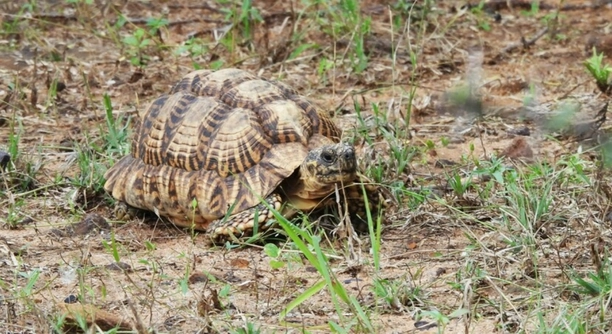
Maintaining the right humidity in a star tortoise enclosure is crucial for their well-being. It helps with digestion, shedding, and overall health. If you’re struggling with keeping the right humidity levels, you’re not alone.
To increase humidity, there are several simple techniques you can try. By adjusting the enclosure’s environment, using proper materials, and setting up a few key items, you can easily boost the humidity to meet your tortoise’s needs.
These easy-to-implement tips will help ensure your tortoise is comfortable and thriving. Let’s explore some simple methods that can make a big difference.
Adding a Water Dish with a Lid
Placing a water dish with a lid in the tortoise’s enclosure can significantly help maintain humidity levels. The lid helps minimize water evaporation and keeps the humidity steady. Make sure the dish is shallow enough for your tortoise to easily access, but not too deep to pose a risk of drowning. The water should be changed regularly to keep it clean and safe for your pet. It’s a simple yet effective solution that works well in both small and large enclosures. A lid also helps prevent the water from spilling, which can lead to a wet and uncomfortable environment.
A shallow water dish with a lid can also reduce cleaning time and maintain the humidity levels more efficiently.
The lid acts as a barrier against dust and debris, keeping the water cleaner for longer periods. It prevents contamination from uneaten food, shedding, or waste. Also, when choosing the dish, go for a ceramic or heavy-duty plastic option. These materials help retain moisture and are easier to clean compared to lightweight, absorbent alternatives. If you have a smaller enclosure, consider using a smaller dish to avoid crowding.
Using a Humidifier or Misting System
Humidifiers or misting systems are very effective tools for maintaining proper humidity in your tortoise’s habitat. These systems work by adding moisture to the air, preventing the environment from becoming too dry. When selecting a humidifier, choose one that is easy to maintain and clean. Regular cleaning ensures that mold and bacteria don’t build up, which can be harmful to your pet. Mist the enclosure several times a day, or set the humidifier to a specific schedule if you’re using an automatic system.
Make sure to monitor the humidity levels closely using a hygrometer.
Using a humidifier can be especially helpful during colder months when indoor air tends to dry out. By maintaining a consistent humidity level, your star tortoise will feel more comfortable and can shed its skin properly. It’s important to remember that excessive moisture can also be harmful, so it’s crucial to balance humidity levels carefully. To maintain the ideal level, aim for a humidity range of 60-80%. Over time, this approach can improve your tortoise’s overall health and prevent dehydration.
Using Damp Substrate
Adding a damp substrate can help maintain higher humidity in the enclosure. Materials like coconut coir or sphagnum moss are great options. These substrates hold moisture well and release it slowly into the air, helping regulate humidity. Keep the substrate moist but not soaking wet, as excessive water can lead to mold growth.
To keep the humidity consistent, periodically check the moisture levels of the substrate.
While it’s important to avoid over-saturating the substrate, regularly dampening it will help keep the environment comfortable for your tortoise. This method is easy to implement and doesn’t require much maintenance. It’s especially helpful in enclosures with limited space for a water dish. You can also spot-check the humidity using a hygrometer to ensure it stays within the appropriate range. In addition, substrates like coconut coir are safe for your tortoise and provide a natural feel that closely resembles their wild habitat.
Adding Plants for Moisture
Adding live plants to the enclosure is another way to naturally boost humidity. Plants like ferns, spider plants, and ivy can help maintain moisture levels in the environment. Choose plants that are safe for your tortoise and can tolerate the conditions inside the enclosure. Live plants also provide hiding spots, contributing to your tortoise’s comfort.
Make sure to monitor the plants’ health and ensure they don’t become too overgrown.
Plants not only help with humidity but also offer the tortoise a more natural environment. They can serve as hiding spots, providing your tortoise with a place to retreat when needed. Make sure to regularly mist the plants to keep them hydrated, as this helps maintain both humidity and plant health. However, if you notice the plants becoming too large, prune them to avoid overcrowding the enclosure. Also, avoid plants that can be toxic if ingested, ensuring that all your tortoise’s plants are safe and beneficial.
Covering the Enclosure with Plastic
Using plastic sheeting or a plastic cover can help trap moisture inside the enclosure. This helps maintain higher humidity levels, especially in open or mesh-topped enclosures. Ensure the plastic is secure and has adequate ventilation to prevent mold or stagnant air.
Ensure the plastic doesn’t completely block airflow.
Plastic coverings can create a more stable humidity environment. However, they need to be monitored carefully. If you notice excess condensation or poor ventilation, adjust the setup. The goal is to keep the humidity consistent without trapping harmful bacteria or excessive moisture that could harm your tortoise.
Using a Moisture Retentive Mat
A moisture retentive mat can be placed under the substrate to help retain moisture. This is a good option for keeping the humidity levels up, especially if your enclosure tends to dry out quickly. The mat holds water for a longer time, allowing it to slowly release moisture into the air.
Be sure to clean the mat regularly to avoid mold buildup.
By adding a moisture retentive mat, you can reduce the frequency of watering the substrate while keeping humidity levels steady. Make sure the mat is placed on a flat surface to avoid uneven moisture distribution. This is a practical, low-maintenance solution that is effective for maintaining proper humidity.
FAQ
What is the ideal humidity level for a star tortoise enclosure?
The ideal humidity level for a star tortoise enclosure should be between 60-80%. This range helps support their health by promoting proper shedding and hydration. You can monitor the humidity with a hygrometer to make sure it stays consistent. Keeping the humidity too low can lead to dry skin and respiratory issues, while excessive moisture can cause fungal growth and respiratory infections.
How often should I mist the enclosure?
It’s best to mist the enclosure 2-3 times per day to maintain steady humidity levels. However, the frequency depends on the humidity level in your home and the materials used in the enclosure. If you’re using a misting system or humidifier, you may need to adjust this. Always check the humidity with a hygrometer to ensure the enclosure isn’t too wet or too dry.
Can I use a shallow water dish to increase humidity?
Yes, a shallow water dish with a lid can help increase humidity, but it should be cleaned regularly. The lid helps to prevent excess evaporation, which stabilizes humidity levels in the enclosure. Ensure the water dish is large enough for your tortoise to drink from but not too deep to pose a drowning risk.
Is using a humidifier safe for my tortoise?
A humidifier is a safe and effective way to maintain proper humidity levels in your tortoise’s enclosure. Just make sure the device is regularly cleaned to avoid mold or bacterial buildup. A cool mist humidifier is ideal because it won’t overheat the enclosure. Be cautious about placing it too close to your tortoise’s sleeping area to avoid excessive moisture buildup.
Should I use live plants to increase humidity?
Yes, live plants are a great addition to a star tortoise enclosure. They naturally help increase humidity levels and also provide hiding spots for your tortoise. Choose non-toxic plants like ferns or spider plants and make sure to water them regularly. Keep an eye on plant growth to prevent overcrowding, and remove any unhealthy plants to maintain a clean environment.
How do I know if the humidity is too high?
If the humidity is too high, you may notice excessive condensation inside the enclosure, a musty smell, or mold growth on the substrate or decor. Your tortoise might also show signs of respiratory distress. To prevent this, use a hygrometer to regularly check the humidity, and make sure the enclosure has proper ventilation. If needed, you can reduce misting or increase airflow.
Can I use a plastic cover for the enclosure?
A plastic cover can help maintain humidity, especially for open or mesh-topped enclosures. However, you must ensure that it doesn’t block airflow completely. Adequate ventilation is essential to avoid stagnant air and mold. If you see condensation buildup, it might be time to adjust the plastic cover or improve ventilation.
Is a moisture retentive mat necessary for humidity?
A moisture retentive mat is not strictly necessary, but it can be a helpful addition to your enclosure. These mats can help retain moisture in the substrate, reducing the frequency of misting. They also allow for a more even release of moisture, which can stabilize the humidity over time. Regular cleaning is essential to prevent mold or bacterial growth.
Can I use a heat lamp with a humidifier?
Yes, you can use a heat lamp with a humidifier, but it’s important to balance both. Heat lamps can dry out the air, while humidifiers add moisture. Be sure to monitor the temperature and humidity regularly to prevent either from becoming too extreme. A thermometer and hygrometer will help you find the right balance for your tortoise’s health.
How can I keep my star tortoise hydrated in a dry environment?
In dry environments, increasing the humidity in the enclosure is key to keeping your star tortoise hydrated. You can mist the enclosure more frequently, add a water dish, or use a humidifier. It’s also important to provide fresh water daily for your tortoise to drink, especially if the air is dry. Keep an eye on the humidity levels, as dehydration can lead to health problems.
Can I use a ceramic water dish for my tortoise?
A ceramic water dish is an excellent choice for a star tortoise enclosure. Ceramic retains moisture well and is easy to clean. It also tends to be heavier, which helps prevent tipping. Just ensure the dish is shallow enough for your tortoise to drink from easily without the risk of drowning.
Is it okay to leave the enclosure lid closed?
Leaving the lid closed can trap moisture, which helps increase humidity. However, the lid should have ventilation holes or small gaps to allow airflow. Without proper ventilation, the enclosure can become too humid, and this can lead to mold growth. Check humidity levels regularly to ensure the conditions remain ideal for your tortoise.
Final Thoughts
Maintaining the right humidity in your star tortoise enclosure is essential for their overall health and well-being. By ensuring the humidity stays between 60-80%, you help promote proper shedding, prevent dehydration, and support healthy digestion. Humidity also plays a crucial role in preventing respiratory problems and skin conditions, both of which can arise if the environment is too dry. It’s important to monitor the humidity levels consistently, using tools like a hygrometer to help you keep track. Remember, while some methods, like misting and using a humidifier, may require a bit of attention, the effort is worthwhile to keep your tortoise comfortable and healthy.
There are several simple ways to increase humidity in your star tortoise’s enclosure. Adding a shallow water dish with a lid is an easy method that helps reduce evaporation and maintain moisture. A damp substrate, such as coconut coir or sphagnum moss, also aids in keeping the humidity steady without much upkeep. Live plants can be another beneficial addition, as they naturally help with moisture retention and provide a more enriching environment for your tortoise. If you prefer a more controlled approach, a humidifier or misting system can be very effective, especially during dry seasons. It’s important to experiment and see what works best for your enclosure and tortoise’s needs.
While keeping humidity levels consistent is crucial, it’s equally important to balance it with proper ventilation. Too much moisture can lead to mold, bacteria, or respiratory issues. Keeping the environment clean and well-ventilated ensures your tortoise has a healthy habitat. Additionally, always make sure that the humidity adjustments you make don’t overwhelm your tortoise with excessive moisture. By following these simple guidelines and monitoring the enclosure regularly, you can create a comfortable and thriving home for your star tortoise.

Hello,
If you enjoy the content that we create, please consider saying a "Thank You!" by leaving a tip.
Every little bit helps us continue crafting quality advice that supports the health, happiness, and well-being of pets around the world, for pets of all shapes, sizes, and species.
We really appreciate the kindness and support that you show us!