
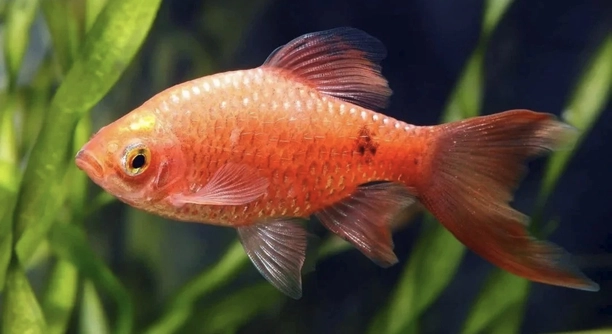
Are your Rosy Barbs looking dull or lacking the bright color they once had? Enhancing their natural beauty is easier than you might think. A few changes can make a noticeable difference in their appearance.
Improving Rosy Barb color can be achieved through proper diet, stable water conditions, and reduced stress. High-quality food rich in carotenoids, a consistent tank environment, and minimal disturbances help intensify their vibrant hues naturally and safely.
With just a few adjustments, you can bring out the best in your Rosy Barbs and enjoy their brilliant colors daily.
Choose High-Quality Food
Feeding Rosy Barbs the right food is key to improving their color. Stick to high-quality flakes, pellets, and frozen foods that include ingredients like spirulina, brine shrimp, or krill. These options are rich in natural color-enhancing nutrients, especially carotenoids, which support red and orange pigmentation. Rotate between foods to keep their diet balanced and interesting. Avoid overfeeding, as uneaten food can cloud the water and affect their health. It’s better to feed small portions twice a day rather than a large amount at once. Color won’t improve overnight, but with regular feeding and care, results become visible within weeks.
Include frozen bloodworms or brine shrimp a few times a week. These are protein-rich and also stimulate natural color development.
When choosing commercial foods, look for ones that list spirulina or shrimp meal in the top ingredients. Avoid cheap brands filled with fillers, as they lack the nutrients needed to boost pigment in your fish.
Keep the Water Clean
Stable and clean water helps Rosy Barbs stay healthy and vibrant. Poor conditions can quickly fade their color and cause stress.
Change 25% of the tank water weekly and always test water parameters. Ammonia, nitrite, and nitrate should remain in safe ranges. A good filter is essential, but regular water changes are just as important. Temperature should stay between 72°F and 82°F, and pH levels should be stable, ideally around 6.5 to 7.5. Avoid sudden changes in water quality, as these can stress your fish. Stress reduces blood flow and weakens their color. Adding live plants can help stabilize the tank and create a more natural setting. Keep lighting moderate—too much light can cause algae, and too little won’t support good coloration. Aim for a balanced environment where Rosy Barbs feel secure, move freely, and have the right nutrients in their water. A healthy tank leads to brighter, more beautiful fish.
Reduce Stress Triggers
Stress can dull Rosy Barb color fast. Loud noises, sudden movements, or overcrowding in the tank can all impact their appearance. A calm space helps them feel safe, which supports both their health and coloration. Keep tankmates peaceful and avoid frequent disruptions.
Avoid tapping the tank or rearranging decor too often. Make sure they have hiding spots like plants or caves, which give them a sense of security. Rosy Barbs are active but do best when they can retreat when needed. Limit handling and use a soft net if you ever need to move them. Stress weakens the immune system and reduces blood circulation, which causes their colors to look faded. Keep lighting on a timer to provide a consistent day-night cycle. If they seem skittish or pale, it could be a sign the environment is overstimulating. A relaxed fish will show off its full, natural coloring over time.
Rosy Barbs need space to swim freely without bumping into each other constantly. A crowded tank causes friction and aggression, leading to stress and pale color. A 20-gallon tank is the minimum for a small group, but larger is always better. Watch for signs like hiding, fading color, or erratic swimming. These behaviors often signal discomfort. Adding floating plants can soften light and give them shade. Even something simple like a dark background can help reduce reflection and make them feel safer. It’s the small changes that often make the biggest difference in their overall look and comfort.
Maintain a Balanced Diet
A balanced diet goes beyond just feeding quality food. Your Rosy Barbs need a mix of protein, fiber, and plant matter. Overfeeding one type of food can limit nutrient intake and affect color. Variety keeps them healthy and naturally vibrant.
Use a feeding rotation: offer flakes in the morning and frozen or live food in the evening. Add in spirulina-based wafers or blanched vegetables once or twice a week. This gives them a wider range of nutrients. Skip feeding one day per week to help with digestion. Too much protein without fiber may cause bloating or lower immunity. Avoid low-quality foods with excess fillers or artificial coloring—these don’t help with pigmentation. Adding garlic-based food once a week supports immunity and digestion, which indirectly helps with color. A fish with a strong immune system is less prone to stress, and less stress means better, brighter hues naturally.
Choose Compatible Tankmates
Rosy Barbs are active but peaceful. Keeping them with fin-nipping or aggressive fish can cause stress, which fades their color. Ideal tankmates include other barbs, danios, loaches, or peaceful tetras that can handle the same water conditions.
Avoid pairing them with slow or delicate fish, especially ones with long fins. Rosy Barbs are fast swimmers and may outcompete them for food, causing issues over time. A balanced community tank helps reduce tension and supports better coloration.
Provide Natural Lighting
Natural lighting supports their internal rhythms and improves overall color. Use full-spectrum aquarium lighting for about 8 to 10 hours daily. Too much light can stress them or cause algae, while too little may dull their tones. A timer helps maintain a reliable light schedule, which promotes consistency.
Limit Sudden Changes
Changing temperature, pH, or lighting too quickly can shock Rosy Barbs and dull their color. Make adjustments slowly, whether you’re doing water changes or moving decorations. Steady conditions help them thrive and keep their vibrant look strong.
FAQ
How long does it take to see color improvement in Rosy Barbs?
It usually takes two to four weeks to notice a change, depending on how consistent the care is. If you improve their food, keep the water clean, and reduce stress, the change will gradually become visible. Some fish may respond faster, especially when moved from poor conditions to a healthy tank. Keep in mind that the results won’t happen overnight, but small changes start adding up within a few days. As long as you stay consistent with care, feeding, and tank maintenance, their natural colors will begin to brighten and stand out more over time.
What are the best foods to bring out their red color?
Foods rich in carotenoids are the most effective. Look for options that contain spirulina, krill, shrimp meal, and marigold extract. Frozen brine shrimp and bloodworms are great for boosting their red tones. Commercial foods that are color-enhancing often include these ingredients. Rotate between these options to avoid overfeeding one type. Avoid low-quality food with artificial dyes—these don’t support real pigment growth and can even harm your fish. Also, add in occasional vegetables like blanched spinach or peas to support digestion and round out their diet. The better their nutrition, the more intense their color will be.
Can overfeeding affect color?
Yes, overfeeding can affect both color and health. Uneaten food breaks down in the tank, reducing water quality and increasing stress. Stress causes color to fade, especially in Rosy Barbs. Overfeeding can also cause bloating and digestive issues. Feeding too much protein without fiber leads to imbalance, which lowers their immune response. Stick to feeding small portions twice a day and skip feeding one day per week to let their system clear out. Make sure they eat all food within a few minutes. Consistent, moderate feeding is better than giving too much at once.
Why do Rosy Barbs lose color suddenly?
Sudden color loss is usually linked to stress. This could come from sudden water changes, temperature shifts, aggressive tankmates, poor water quality, or even loud sounds and movement around the tank. Illness can also play a role. Check your water parameters first—ammonia or nitrite spikes are common causes. If the environment is stable, look for bullying behavior or signs of sickness like clamped fins or erratic swimming. Making a few calm, steady adjustments usually helps them bounce back. Always correct the source of the stress first before trying anything else.
Do lighting conditions impact color in Rosy Barbs?
Yes, lighting affects how their color appears. Full-spectrum lighting helps them look their best and supports their biological rhythms. Too much light can stress them, and too little can make them look dull. Keep lighting consistent with a timer—ideally 8 to 10 hours per day. Avoid placing the tank in direct sunlight, which causes temperature swings and algae buildup. A well-lit, balanced environment supports their overall health, and that translates into better color. Some people use lighting that slightly enhances red tones, but it should never replace proper food and care.
How many Rosy Barbs should be kept together for best results?
Keep them in groups of at least five. Rosy Barbs are schooling fish and do best with others of their kind. When kept alone or in too small a group, they become skittish and stressed, which dims their color. In groups, they feel safer and show off more vibrant behavior and appearance. A larger group also spreads out any chasing or territorial behavior, which keeps stress lower. Always make sure the tank is large enough to support the group—at least 20 gallons, but ideally larger if possible. The more secure they feel, the brighter they’ll look.
Final Thoughts
Improving the color of your Rosy Barbs isn’t difficult, but it does require consistency. Focus on providing high-quality food that includes natural color boosters like spirulina and krill. A varied diet supports their health and helps their natural red and orange tones stand out. Don’t rely on just one type of food—rotate between flakes, pellets, frozen options, and the occasional vegetable. Feeding them small, measured portions twice a day is more effective than giving too much at once. When their diet is balanced and rich in nutrients, their color will gradually become brighter and more vibrant.
A clean and calm tank is just as important as the food they eat. Stable water conditions, gentle tank lighting, and a quiet environment help Rosy Barbs feel secure. Stress from poor water quality, sudden changes, or aggressive tankmates can cause color to fade quickly. Use a good filter, test your water regularly, and change about 25% of the water each week. Choose peaceful tankmates and avoid overcrowding the space. The more comfortable your Rosy Barbs feel, the more likely they are to show off their full color. Small changes in their surroundings can make a noticeable difference over time.
Color improvement isn’t instant, but with time and attention, it becomes clear. Keep their routine consistent—steady feeding, stable light, and a balanced environment all work together to help them thrive. Every small effort adds up, and soon you’ll notice their colors deepening and becoming more intense. Bright, healthy Rosy Barbs are often a sign of good care, so their appearance is a helpful way to track their well-being. With the right setup and a little patience, your Rosy Barbs can stay colorful and active for a long time.

Hello,
If you enjoy the content that we create, please consider saying a "Thank You!" by leaving a tip.
Every little bit helps us continue crafting quality advice that supports the health, happiness, and well-being of pets around the world, for pets of all shapes, sizes, and species.
We really appreciate the kindness and support that you show us!