
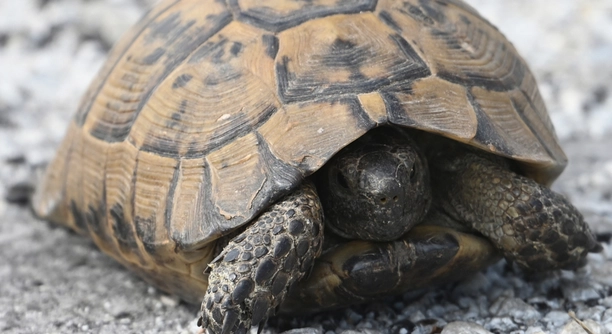
Do you love caring for your Greek tortoise but worry about signs of stress in its behavior?
Stress in Greek tortoises can be identified through various physical and behavioral changes. Look for signs like changes in activity levels, hiding more often, or avoiding food, as these can indicate that your tortoise is stressed.
By recognizing these signs, you can help your tortoise feel more comfortable in its environment. This article will guide you through easy ways to spot stress and how to address it.
Recognizing Physical Changes in a Stressed Greek Tortoise
When a Greek tortoise is stressed, its body language will often tell you more than anything else. One of the first signs to watch for is the change in posture. A stressed tortoise may retract into its shell more than usual or stay in one spot for longer periods. This behavior often stems from fear or discomfort. You might also notice that it looks more lethargic than normal, with slower movements and an unwillingness to explore its surroundings. Stress can also cause the tortoise to lose interest in eating, which is an obvious sign something is wrong.
Look for physical changes, especially if the tortoise is losing weight or seems less active. These signs are not always related to illness, but stress can certainly have a significant impact on its health. A loss of appetite or irregular movement patterns should be addressed quickly to avoid worsening the situation.
Stress can also show up in the way your tortoise responds to being touched. If it seems more withdrawn or defensive, this may indicate it feels threatened. Managing its environment can help improve these signs of stress.
Monitoring Behavior and Activity
Pay close attention to how active your Greek tortoise is.
Stress often leads to sudden changes in behavior, such as staying hidden for long periods or showing less interest in food.
A lack of movement can be particularly concerning. Greek tortoises are naturally curious creatures and enjoy roaming around their space, especially when they are comfortable. When stressed, they may stop moving or only move in short bursts, retreating into their shell when they feel threatened. You may also notice a reduced interaction with its environment, as a stressed tortoise avoids engaging in normal activities like basking or foraging.
Additionally, sudden hiding or burrowing behaviors are common. While tortoises do hide to regulate their temperature or feel safe, excessive hiding could signal they are trying to escape discomfort or distress. If your tortoise becomes less social or more reclusive, it might be time to evaluate its environment for potential stress triggers.
Stress Due to Improper Habitat Conditions
The environment you provide your Greek tortoise plays a big role in its well-being.
Temperature and humidity levels are often overlooked but are essential in preventing stress.
Greek tortoises need a warm and dry habitat to thrive. A drop in temperature can cause them to become sluggish or retreat into their shell. If the habitat is too cold, this will lead to a decrease in activity and appetite, both of which are common signs of stress. Furthermore, high humidity or a too-wet enclosure can cause discomfort, making your tortoise more likely to hide or show less interest in exploring.
It’s important to make sure the enclosure has a proper temperature gradient so your tortoise can choose the right area to feel comfortable. A basking area of about 90°F is ideal, while a cooler spot should range around 75°F. Also, keep the humidity level between 30-40% to mimic their natural environment. By controlling these factors, you can prevent unnecessary stress from habitat conditions and support your tortoise’s overall health.
Stress Due to Poor Diet and Nutrition
Your Greek tortoise’s diet plays a large role in its overall well-being.
If its food is unbalanced or lacks variety, stress can result in poor health.
Greek tortoises need a diet rich in fiber, consisting mainly of leafy greens, grasses, and some fruits. Overfeeding on high-protein foods like lettuce or vegetables can lead to digestive problems and stress. A lack of variety or a poor balance between calcium and phosphorus may also affect its physical health, leading to signs of stress. A stressed tortoise may avoid eating altogether or only nibble on its food without finishing.
Stress-related eating issues can cause weight loss or lethargy, which only worsens the situation. Pay close attention to what your tortoise eats daily. If it’s not eating as much or showing no interest in fresh food, this could be an indicator of stress caused by nutritional imbalances. It’s important to provide a variety of foods, and you may also want to offer calcium supplements if needed.
Stress from Overhandling or Excessive Interaction
Overhandling can overwhelm your Greek tortoise, leading to signs of stress.
While they enjoy some interaction, excessive touching can make them feel threatened.
Tortoises, especially Greek tortoises, are not as social as some other pets. They prefer to have a quiet and safe environment where they can roam and relax without constant interference. If handled too often or too roughly, a tortoise may become withdrawn, nervous, or aggressive. Stress from overhandling can show up through defensive behavior, like biting or hiding in its shell.
Limiting physical contact with your tortoise to short, gentle sessions can help avoid this. Allow your tortoise to come to you at its own pace, and provide it with a secure space where it can feel comfortable. Over time, it will adjust and become more accustomed to your presence without the added stress of too much handling.
Stress Due to Unfamiliar or Loud Noises
Noises can have a major impact on a Greek tortoise’s stress levels.
Loud sounds or sudden movements can startle them, causing anxiety.
Greek tortoises are sensitive to their surroundings. Loud noises or sudden changes in their environment can lead to stress. A vacuum cleaner, barking dogs, or even children running around can make them feel unsafe. When stressed, a tortoise might retreat into its shell and avoid moving for long periods. This behavior is often a sign that it is trying to escape from perceived danger.
If you notice that your tortoise seems unusually anxious after loud noises, consider moving its enclosure to a quieter area of the home. A peaceful, low-traffic space will help it feel more secure and reduce its stress levels.
Stress from Inadequate Space in the Enclosure
Greek tortoises need enough room to move freely.
A cramped enclosure limits their ability to roam and increases stress.
When a tortoise’s living space is too small, it may start to feel confined. Greek tortoises are naturally active and require ample space to explore, bask, and dig. If the enclosure is too small, they can’t express these natural behaviors, which can lead to frustration and stress. Over time, the tortoise may show signs of inactivity, lethargy, or excessive hiding.
Ensure your tortoise has a spacious habitat with plenty of room to roam and explore. A larger enclosure with different areas for basking, hiding, and walking will help reduce stress and provide a more enriching environment.
Stress from Incompatible Tankmates
Keeping multiple tortoises in one enclosure can be stressful.
Incompatible tankmates may cause aggression or competition for resources.
FAQ
What are the first signs that my Greek tortoise is stressed?
The first signs of stress in a Greek tortoise typically involve changes in behavior or physical appearance. You may notice your tortoise hiding more often, being less active, or not eating. It might also retract into its shell more frequently or move around much less than usual. These signs suggest that the tortoise is not comfortable in its environment and may be experiencing stress.
How do I reduce stress in my Greek tortoise’s habitat?
To reduce stress in your Greek tortoise’s habitat, make sure it has plenty of space, a proper temperature gradient, and adequate humidity levels. Avoid overcrowding the enclosure, as that can cause tension. Additionally, minimize noise and avoid sudden disturbances. Providing a variety of hiding spots and basking areas will also help it feel safe and secure.
Can poor diet contribute to stress in Greek tortoises?
Yes, a poor diet can significantly contribute to stress in Greek tortoises. If the diet lacks variety or is unbalanced, it can cause digestive issues or a lack of nutrients, leading to stress. Offering a mix of leafy greens, grasses, and occasional fruit helps meet their nutritional needs. Also, make sure to provide a good source of calcium to prevent shell problems, which can cause stress.
How often should I handle my Greek tortoise?
It’s best not to handle your Greek tortoise too often, as excessive handling can cause stress. Try to keep interactions brief and limited to essential activities like cleaning the enclosure or when necessary for health checks. Let your tortoise come to you rather than forcing contact, allowing it to feel more in control of the situation.
Can a loud environment cause my tortoise to be stressed?
Yes, loud environments can cause stress in Greek tortoises. They are sensitive to noise and sudden movements. If there are frequent loud sounds, such as from a vacuum cleaner or children playing nearby, it can make your tortoise feel threatened or anxious. Try moving your tortoise to a quieter part of your home to help it feel safe and reduce stress.
What kind of enclosure is best for a Greek tortoise?
A proper enclosure for a Greek tortoise should be spacious, with areas for basking, hiding, and roaming. The size of the enclosure depends on the size of the tortoise, but it should provide plenty of room for it to move freely. The enclosure should have a warm basking area, a cooler zone, and low humidity to mimic the natural Mediterranean environment of the tortoise.
What temperatures should I maintain in my tortoise’s enclosure?
Your Greek tortoise needs a temperature gradient to regulate its body temperature. The basking spot should be around 90°F, and the cooler area should be around 75°F. At night, the temperature can drop slightly but should not fall below 65°F. Maintaining this temperature range is essential for digestion, overall health, and to prevent stress.
Is it normal for a Greek tortoise to hide a lot?
While it’s normal for a Greek tortoise to hide occasionally, especially to regulate its temperature or feel safe, excessive hiding could indicate stress. If the tortoise hides for long periods without emerging, it may be trying to escape from discomfort or fear. Monitor its behavior and adjust the environment to ensure it feels secure.
How do I know if my Greek tortoise is sick or just stressed?
The key difference between sickness and stress is how long the behavior lasts and the severity of the symptoms. If your tortoise is showing signs like loss of appetite, lethargy, or excessive hiding, it’s important to consider both possibilities. Stress usually occurs due to environmental factors and can improve with changes, but illness may require veterinary attention if the symptoms persist.
Can stress affect my tortoise’s health long-term?
Yes, prolonged stress can lead to various health problems in Greek tortoises. Chronic stress can weaken the immune system, making the tortoise more susceptible to illness. It can also cause digestive issues, weight loss, and behavioral changes that impact overall well-being. Addressing the root causes of stress early can prevent long-term health issues.
Final Thoughts
Stress in Greek tortoises is a serious matter that can impact their health and overall well-being. Recognizing the signs early on, such as changes in behavior, appetite, or activity levels, is key to helping them recover. If you notice that your tortoise is more withdrawn, hiding, or showing a lack of interest in food, these can be signs that something is causing it stress. The good news is that by making some simple adjustments to their environment and daily routine, you can help reduce stress and improve their quality of life.
One of the most important factors in reducing stress is providing the right habitat. This means having enough space for your tortoise to move around, bask in the sun, and find areas to hide when it feels the need. Temperature control is also crucial—Greek tortoises need a warm basking area, along with cooler zones for resting. If their enclosure is too small, too hot, or too noisy, it can lead to feelings of anxiety. Creating a peaceful and secure space for your tortoise will go a long way in keeping it stress-free.
Finally, it’s essential to maintain a balanced diet and avoid overhandling your tortoise. A proper diet will ensure that your tortoise is getting the nutrients it needs, which can also help prevent health issues caused by stress. Greek tortoises are not naturally social animals, so limiting physical interaction and allowing them to feel in control of their environment is key to their happiness. By keeping these factors in mind and monitoring your tortoise closely, you’ll be able to keep stress at bay and help your tortoise lead a healthy, happy life.

Hello,
If you enjoy the content that we create, please consider saying a "Thank You!" by leaving a tip.
Every little bit helps us continue crafting quality advice that supports the health, happiness, and well-being of pets around the world, for pets of all shapes, sizes, and species.
We really appreciate the kindness and support that you show us!