
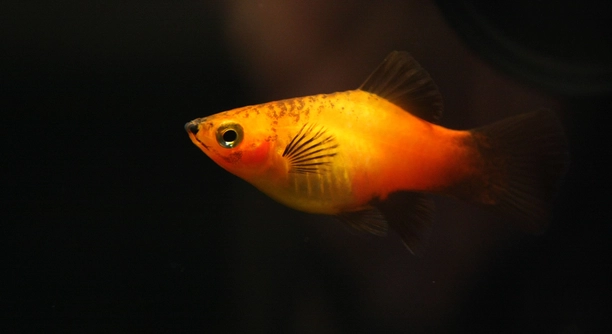
Platy tanks can sometimes become stressful environments for the fish, affecting their health and behavior. Knowing how to calm down your platies is important for maintaining a peaceful and healthy aquarium. These simple methods can help create a better atmosphere for your aquatic pets.
Calming down a platy tank involves controlling factors such as water quality, tank size, and decorations. Proper filtration and regular water changes reduce stress, while adequate space and hiding spots provide security for the fish. Maintaining stable conditions is essential for their well-being.
These easy steps will guide you in creating a calm, comfortable home for your platies and ensure they thrive in their environment.
Maintain Proper Water Quality
Keeping the water clean and balanced is key to calming your platy tank. Regular water changes help remove toxins and waste that build up over time. Test the water frequently to monitor ammonia, nitrite, and nitrate levels. Platies prefer a temperature between 72°F and 78°F and a pH around 6.8 to 7.8. Using a reliable filter helps maintain clear and oxygen-rich water, reducing stress for the fish. Avoid sudden changes in water conditions, as these can shock platies and make them more restless. Maintaining stable water parameters creates a more comfortable environment for your fish to relax and thrive.
Water quality impacts fish behavior directly. Poor conditions lead to stress and illness, so regular monitoring and maintenance are essential.
Ensuring the tank water remains clean and balanced involves more than just changing it. Proper filtration is necessary to circulate and oxygenate the water. You should change 20-30% of the water weekly to keep toxins low. Testing kits can help track water parameters. Avoid overfeeding, which leads to excess waste and water contamination. When cleaning, avoid disturbing the substrate too much to prevent releasing trapped waste. These steps combine to keep your platies calm and healthy.
Provide Adequate Space and Hiding Spots
Platies need enough room to swim freely. Overcrowding increases competition and stress. A tank size of at least 10 gallons is recommended for a small group. Adding plants, caves, and decorations offers hiding places where platies can feel safe. These spots reduce anxiety by giving fish places to retreat from perceived threats. Hiding places also encourage natural behaviors, which helps the fish relax.
A spacious, well-decorated tank promotes peaceful behavior.
A cramped tank causes constant stress and aggression among platies. When fish feel trapped without places to hide, they become restless and prone to health issues. Providing space reduces territorial disputes and helps fish establish their own safe areas. Live plants not only offer shelter but improve water quality by absorbing nitrates. Decorations like ceramic caves or plastic plants add extra cover. Try arranging hiding spots throughout the tank to give your platies options. With enough space and shelter, your fish will feel secure and more at ease.
Avoid Overfeeding
Overfeeding can quickly pollute the tank, increasing stress for your platies. Uneaten food decomposes and raises ammonia levels, which is harmful to fish health. Feed only what your platies can eat in about two minutes, once or twice a day.
Excess food leads to poor water quality, making the tank environment uncomfortable. When too much food sinks to the bottom, it breaks down and causes spikes in toxins. These toxins weaken your platies’ immune systems and make them more vulnerable to disease. Controlling food portions helps maintain stable water parameters and reduces the need for frequent cleaning.
Feeding smaller amounts more often is better than giving large meals at once. Choose high-quality flakes or pellets designed for tropical fish to ensure proper nutrition. Observing your platies during feeding helps you adjust portions and avoid waste. Maintaining a clean tank through proper feeding habits is a simple, effective way to keep your platies calm and healthy.
Use Gentle Lighting
Bright or flickering lights can disturb platies and increase their stress levels. Use soft, consistent lighting to mimic their natural environment. Avoid placing the tank in direct sunlight, which can cause temperature fluctuations and algae growth.
Lighting should be on a regular schedule, about 8 to 10 hours daily, to maintain a natural day-night cycle. Too much light can overstimulate fish and encourage aggressive behavior. Dimming the lights or using floating plants can help create shaded areas where platies can rest.
Gentle lighting supports the overall well-being of your fish by promoting a calmer atmosphere. It also helps plants grow without overwhelming the tank. By controlling the light, you encourage natural rhythms that reduce stress and improve your platies’ health and behavior.
Keep a Stable Temperature
Platies are sensitive to sudden temperature changes. Maintaining a steady temperature between 72°F and 78°F helps keep them calm. Avoid placing the tank near drafts or heat sources that cause fluctuations.
Using a reliable heater with a thermostat ensures consistent warmth. Check the temperature regularly to prevent surprises.
Avoid Aggressive Tankmates
Aggressive or overly active fish can stress platies. Keep your tankmates peaceful and compatible to maintain a calm environment. Avoid species known for nipping or bullying.
Choosing peaceful community fish promotes harmony. A calm group reduces stress and aggression in the tank.
Perform Regular Water Changes
Consistent water changes remove waste and toxins. Changing 20-30% of the water weekly keeps the tank clean and supports stable water conditions.
Regular maintenance is crucial for platy health. Clean water reduces stress and prevents illness.
Limit Noise and Vibrations
Loud noises or vibrations can disturb your platies. Place the tank in a quiet spot away from heavy foot traffic or loud appliances.
FAQ
How often should I change the water in my platy tank?
Changing 20-30% of the tank water once a week is ideal. This helps keep harmful chemicals like ammonia and nitrites low, which reduces stress on your fish. Frequent partial water changes prevent toxins from building up and maintain a stable environment that platies need to stay healthy and calm.
Can platies live with other fish species?
Yes, but choose peaceful tankmates. Avoid aggressive or fin-nipping fish that can stress your platies. Good companions include small tetras, mollies, and guppies. Compatibility reduces bullying and helps keep the tank calm and balanced, making it a more comfortable space for all the fish.
What is the best temperature range for platies?
Platies thrive between 72°F and 78°F. Keeping the water temperature stable within this range helps avoid stress and illness. Sudden temperature swings can shock the fish, making them restless or sick. Using a heater with a thermostat ensures consistent warmth.
How do I know if my platies are stressed?
Signs of stress include hiding excessively, loss of appetite, rapid gill movement, and erratic swimming. Color fading or clamped fins are also indicators. Stress often results from poor water quality, overcrowding, or aggressive tankmates. Addressing these issues quickly helps your platies recover.
Is overfeeding harmful to platies?
Yes, overfeeding can pollute the water, leading to high ammonia levels and poor water quality. Feed small amounts once or twice a day that your fish can consume within two minutes. Excess food decays and creates toxic conditions that stress your fish and encourage disease.
What type of food is best for platies?
High-quality flakes or pellets formulated for tropical fish are good choices. Supplementing with live or frozen foods like brine shrimp or bloodworms can add nutrition and variety. A balanced diet supports health and natural behavior, which helps reduce stress.
How important are plants in a platy tank?
Plants provide hiding spots and help absorb nitrates, improving water quality. They create a natural environment where platies feel secure. Both live and artificial plants offer shelter, reducing stress by giving fish places to retreat when they feel threatened.
Can lighting affect platy behavior?
Yes, strong or flickering lights can stress platies. Use soft, stable lighting on a regular schedule of 8 to 10 hours a day. Too much light can overstimulate fish, while gentle lighting promotes calmness and supports natural activity rhythms.
How large should my platy tank be?
A minimum of 10 gallons is recommended for a small group of platies. Providing enough space reduces competition and stress. Overcrowding leads to aggression and poor water quality, which makes fish restless and unhealthy.
What can I do if my platies are constantly hiding?
Constant hiding may indicate stress or poor tank conditions. Check water parameters, tankmates, and hiding spot availability. Improving water quality, reducing aggression, and offering enough shelter can encourage fish to be more active and comfortable.
Are there any signs of illness caused by stress?
Stress weakens the immune system, making platies prone to infections like fin rot or ich. Look for white spots, torn fins, or unusual behavior. Early treatment and improving tank conditions can help your fish recover quickly.
How do I reduce noise and vibrations near the tank?
Place the tank away from loud appliances, heavy foot traffic, or vibrating surfaces. Noise and vibrations cause stress and can make fish jump or hide. A quiet location helps maintain a peaceful environment for your platies.
Is it necessary to use a filter in a platy tank?
Yes, a filter keeps water clean by removing waste and circulating oxygen. Proper filtration supports stable water conditions, reduces toxins, and keeps fish healthy. Choose a filter suitable for your tank size and clean it regularly to maintain efficiency.
Can I keep platies in a community tank?
Platies do well in community tanks with other peaceful fish. Avoid aggressive species to prevent stress. Mixing compatible fish encourages natural social behavior and keeps the tank environment calm.
How often should I clean the tank decorations and substrate?
Clean decorations and substrate every few weeks to prevent buildup of waste and algae. Avoid disturbing the substrate too much during water changes to keep beneficial bacteria intact. Regular cleaning helps maintain water quality and reduces fish stress.
Maintaining a calm and healthy environment in your platy tank is essential for the well-being of your fish. Simple steps like keeping the water clean, providing enough space, and controlling feeding habits play a big role in reducing stress. Paying attention to water quality and making regular changes help remove harmful substances that can build up and cause discomfort. Ensuring your tank has stable temperature and gentle lighting also creates a peaceful atmosphere that supports natural behavior. These straightforward actions improve the overall health of your platies and make your aquarium a pleasant place for them to live.
Choosing the right tankmates and adding hiding spots further contributes to a calm tank environment. Peaceful fish species that get along well with platies help avoid aggression and competition. Providing plants and decorations gives your fish places to retreat when they feel threatened, which lowers anxiety. A tank that mimics their natural habitat helps them feel more secure and comfortable. These details may seem small, but they have a meaningful impact on your platies’ behavior and stress levels.
Taking care of platies requires attention to detail and consistency. By regularly monitoring water conditions, maintaining proper feeding schedules, and observing your fish for signs of stress, you can address issues early. Reducing noise and vibrations near the tank also helps create a quiet space for your fish to relax. All these efforts combined ensure your platies will live longer, healthier lives. A calm tank is not just good for the fish—it also makes your aquarium experience more enjoyable and rewarding.

Hello,
If you enjoy the content that we create, please consider saying a "Thank You!" by leaving a tip.
Every little bit helps us continue crafting quality advice that supports the health, happiness, and well-being of pets around the world, for pets of all shapes, sizes, and species.
We really appreciate the kindness and support that you show us!