
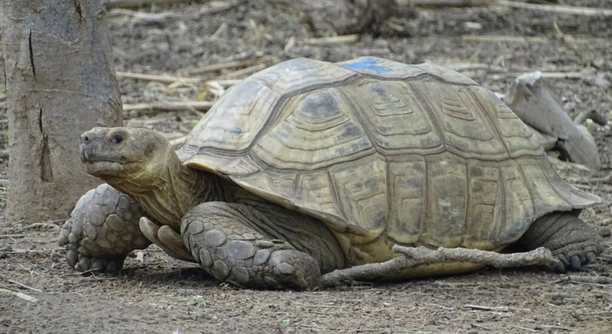
Tortoises are fascinating pets that require proper care to stay healthy. Their immune system plays a crucial role in protecting them from various diseases and infections. Boosting their immune system can help keep them active and strong.
To boost your tortoise’s immune system, you can provide a balanced diet, ensure proper hydration, expose them to natural sunlight, maintain a clean habitat, and monitor their health regularly. Regular exercise also strengthens their immunity and overall well-being.
Small changes in your tortoise’s environment can make a significant difference in their health. Understanding these simple methods will help you ensure your pet thrives with a stronger immune system and better protection against illnesses.
Provide a Balanced Diet
A balanced diet is key to a tortoise’s immune health. The right nutrients help keep their immune system functioning at its best. A tortoise’s diet should include leafy greens, vegetables, and fruits, as well as occasional protein. A varied diet ensures they get the vitamins and minerals needed for good health. Providing calcium is especially important for shell strength and overall bone health. Offering a mix of dark leafy greens like kale and collard greens, along with fibrous vegetables, can improve digestion and immunity.
To maintain a healthy diet, avoid offering too many sugary fruits. Stick to a schedule, and make sure the food is fresh and pesticide-free. A good balance of fiber, protein, and vitamins is essential to support their immune system.
Feeding your tortoise regularly with a variety of fresh foods also keeps them interested in their meals. If they are well-fed, they are more likely to stay active and healthy. It’s important to avoid feeding them processed foods or anything toxic to them, such as iceberg lettuce.
Keep Them Hydrated
Hydration is just as crucial as diet for your tortoise’s health. Dehydration can weaken their immune system, making them more vulnerable to illness. Always ensure that fresh, clean water is available in their habitat. If your tortoise isn’t drinking enough on its own, you can soak them in warm water for 20 minutes to encourage drinking.
Consistent hydration helps with digestion and skin health, and it also promotes a healthy shell. If your tortoise is struggling with hydration, consider offering water-rich vegetables like cucumbers and melons to help meet their needs. Staying hydrated can make a big difference in your tortoise’s immune defense.
Ensure Proper Sunlight Exposure
Sunlight is essential for a tortoise’s health. Natural sunlight helps them produce Vitamin D3, which is crucial for calcium absorption. Without enough sunlight, your tortoise can suffer from weak bones and a weakened immune system. Make sure they have access to direct sunlight for a few hours each day.
If you live in a colder climate, consider using a UVB lamp in their enclosure. UVB lighting helps mimic natural sunlight, providing the necessary benefits for your tortoise. It’s important to position the lamp correctly so that it replicates natural sunlight as closely as possible.
A tortoise that gets enough sunlight is more likely to stay active, have a healthy appetite, and maintain strong immunity. However, be mindful of overexposure to the sun, as too much can lead to dehydration and overheating. It’s essential to balance sun exposure for optimal health.
Keep Their Habitat Clean
A clean environment plays a vital role in boosting your tortoise’s immune system. Bacteria and parasites can quickly build up in a dirty habitat, leading to health issues. Regularly clean their enclosure to prevent the spread of infections and disease. Ensure their water is also changed frequently.
In addition to cleaning the substrate, the area where they sleep and eat should also be maintained regularly. Spot clean daily by removing waste and uneaten food. A clean environment reduces stress and helps maintain a healthy immune system.
Regular cleaning of the tortoise’s habitat also allows you to monitor their health closely. It’s easier to spot signs of illness when they are in a clean and organized environment. By doing this, you can help prevent serious health problems before they start.
Provide Regular Exercise
Regular exercise is vital for keeping your tortoise’s immune system strong. Encouraging movement helps maintain healthy muscles and joints, which supports overall health. A simple walk or exploration around your home or garden can provide them with the exercise they need.
Exercise also helps stimulate their appetite, improve digestion, and keep them active. It’s essential to allow them enough space to move around freely, ensuring they get the physical activity required for optimal immune function. Regular movement keeps them physically fit and better equipped to ward off illness.
Monitor Their Health
Checking your tortoise regularly for any signs of illness is important. Keep an eye on their behavior, eating habits, and shell condition. Early detection of health issues can prevent more severe problems from arising. Pay attention to any unusual changes in their movement or appetite.
A healthy tortoise will typically have a strong, smooth shell, clear eyes, and active movement. If you notice any signs of lethargy, abnormal skin shedding, or refusal to eat, consult a vet immediately. Prompt attention to their health ensures that they remain strong and disease-free.
Minimize Stress
Stress can significantly weaken your tortoise’s immune system. When tortoises feel stressed, their bodies are less able to fight off infections. Stress can be caused by factors like loud noises, sudden temperature changes, or overcrowding.
Ensure that your tortoise has a calm, quiet environment. Avoid frequent handling, especially if they seem uncomfortable. Give them time to acclimate to any changes in their habitat. A peaceful and stable environment helps reduce stress and supports a stronger immune system.
FAQ
How can I tell if my tortoise has a weakened immune system?
A weakened immune system in a tortoise may present itself in several ways. You might notice a lack of energy, a loss of appetite, or changes in their behavior. Their shell could appear soft or deformed, and their skin may become flaky. If their eyes are watery or swollen, this could also indicate health problems. Any changes in their usual habits or appearance should be closely monitored. Regular checkups with a vet can help ensure that your tortoise’s immune system is functioning well and catch any early signs of illness.
What type of food should I feed my tortoise to boost its immune system?
To boost your tortoise’s immune system, offer a diet high in fiber, rich in vitamins, and low in fat. Include a variety of dark leafy greens like kale, dandelion greens, and collard greens, along with vegetables such as carrots, squash, and bell peppers. Fruits should be given sparingly, as they are high in sugar. Adding calcium-rich foods like kale or calcium supplements will help support their bones and shell. Avoid feeding them processed or high-fat foods, which can negatively affect their immune system. Always ensure their diet is fresh and free from pesticides.
Can my tortoise get sick from a dirty habitat?
Yes, a dirty habitat can contribute to a tortoise becoming sick. Bacteria, parasites, and mold can grow in a neglected enclosure, putting your tortoise at risk for infections and illnesses. Waste and leftover food should be cleaned regularly to avoid contamination. Their water should be changed frequently to prevent bacteria buildup. Keeping the habitat clean not only helps prevent infections but also creates a stress-free environment for your tortoise. A clean home is essential for a strong immune system.
How often should I provide my tortoise with sunlight or UVB light?
Tortoises need access to natural sunlight or UVB light daily to stay healthy. If possible, allow your tortoise to bask in direct sunlight for a few hours a day. In colder climates, or when natural sunlight is limited, a UVB lamp is necessary. A UVB lamp should be used for about 12 hours a day, and it should be replaced every six months since its effectiveness fades over time. UVB light helps tortoises produce Vitamin D3, which is essential for calcium absorption and bone health.
How can I prevent my tortoise from getting stressed?
Stress can weaken your tortoise’s immune system and lead to health issues. To reduce stress, ensure that their enclosure is in a quiet, safe area with minimal disturbances. Avoid sudden changes to their environment, such as moving their habitat or introducing other pets. Keep handling to a minimum, especially if your tortoise appears uncomfortable. Make sure their temperature and humidity levels are stable. Stress is often caused by factors like overcrowding, excessive noise, or abrupt changes in their surroundings, so creating a calm, predictable environment will help them stay relaxed and healthy.
Can I keep multiple tortoises together without causing stress?
It’s possible to keep multiple tortoises together, but there are a few things to consider. Some species are territorial, and overcrowding can lead to fighting, which can cause stress and injury. Ensure each tortoise has enough space to roam, with access to their own food and basking areas. If you plan to house multiple tortoises together, make sure they are compatible species and have similar environmental needs. It’s important to monitor their interactions regularly to ensure they are getting along and not showing signs of aggression or stress.
What is the best way to handle my tortoise?
Handling your tortoise should be done gently and infrequently, as they can become stressed if handled too much. When you do pick them up, support their body fully, especially their legs and shell. Avoid picking them up by the tail, as this can cause injury. It’s best to let them explore their environment at their own pace rather than forcing interaction. If you need to move them, do so slowly and calmly, ensuring they feel safe and secure. Always wash your hands after handling to avoid transferring bacteria.
How can I ensure my tortoise is getting enough exercise?
Exercise is essential for your tortoise’s health. Allow them to roam freely in a safe, enclosed area where they can move around and explore. Regular movement helps with muscle strength and supports digestion. If you don’t have an outdoor area, you can create an exercise space indoors, such as a tortoise-friendly pen or an area with plenty of room for them to walk. Tortoises tend to be slow-moving creatures, but even small amounts of daily exercise will help maintain their physical health and immune function.
Final Thoughts
Taking care of your tortoise’s immune system is essential for its overall health and well-being. Providing a balanced diet, ensuring they get enough sunlight, and keeping their habitat clean are simple yet crucial steps in boosting their immunity. Regular exercise, hydration, and stress management are also vital aspects of their care. When these factors are properly maintained, your tortoise is more likely to stay active, strong, and free from illness.
A healthy tortoise is more likely to thrive in a controlled environment. Monitoring their behavior and appearance closely will help you catch any early signs of illness. Regular vet check-ups also play an important role in keeping your tortoise in the best condition. While tortoises are naturally hardy animals, their immune systems still require support from the right care. The key is to create an environment where they can feel safe, relaxed, and well-fed, allowing their immune system to function optimally.
Lastly, remember that each tortoise is unique, and what works for one may not be ideal for another. Always observe your pet’s specific needs and make adjustments to their care routine as necessary. With time and attention, your tortoise can live a long and healthy life. The steps to boost their immune system are not difficult to follow, but they require consistency and dedication. By making small changes and staying aware of their needs, you can help your tortoise stay healthy and happy for years to come.

Hello,
If you enjoy the content that we create, please consider saying a "Thank You!" by leaving a tip.
Every little bit helps us continue crafting quality advice that supports the health, happiness, and well-being of pets around the world, for pets of all shapes, sizes, and species.
We really appreciate the kindness and support that you show us!