
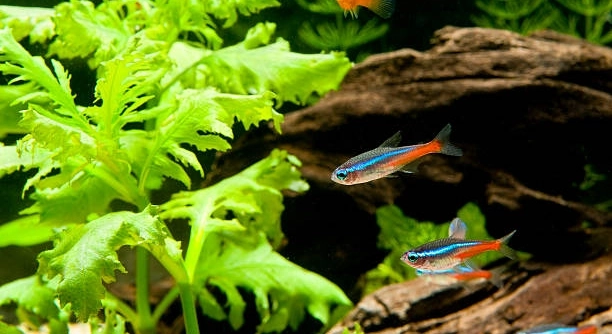
Tetras are popular small fish that bring life and color to home aquariums. Many owners want their tetras to be active and healthy throughout the day. Keeping these fish stimulated helps improve their well-being and creates a lively tank environment.
Boosting tetra activity can be achieved through several simple methods, including optimizing tank conditions, providing a balanced diet, introducing plants or decorations for enrichment, maintaining proper lighting, and encouraging social behavior among the fish. These strategies enhance natural movement and overall health.
Improving your tetra’s activity level can make your aquarium a more enjoyable and vibrant space to watch. These easy tips will help you create a better environment for your fish.
Maintain Proper Tank Temperature
Keeping the water temperature steady is essential for your tetras’ activity. These fish thrive best in water that is between 72 and 80 degrees Fahrenheit. When the temperature is too low, tetras tend to become sluggish and less active. If it’s too high, they may get stressed, which also reduces movement. Using a reliable aquarium heater and thermometer helps maintain this ideal range. Avoid sudden temperature changes by placing the tank away from windows or vents where drafts or direct sunlight can cause fluctuations. Consistent temperature supports their metabolism and natural swimming patterns. This simple step creates a comfortable environment that encourages your tetras to stay lively and explore the tank more.
Tetras rely on stable temperatures to keep their energy levels steady. Sudden changes can disrupt their behavior and health. Maintaining this balance is a key factor in boosting their activity.
Ensuring the right temperature is one of the easiest ways to make your tetras more active. A stable tank environment allows them to swim freely and interact naturally. This helps your fish stay healthy and reduces the risk of illness caused by stress or shock from temperature swings. Regular checks of the heater and thermometer prevent problems before they start. It’s a small effort that makes a big difference in your aquarium’s atmosphere.
Provide a Balanced Diet
A proper diet fuels your tetras’ activity and health. Offering a mix of high-quality flakes, frozen, or live foods meets their nutritional needs and keeps them energized. Tetras enjoy variety, so rotating their food prevents boredom and promotes natural foraging behavior.
Feeding your tetras correctly impacts their energy and movement. A varied, balanced diet encourages more active swimming and natural behaviors.
Tetras benefit from a diet rich in proteins, vitamins, and minerals. Including options like brine shrimp, daphnia, or bloodworms alongside regular flakes provides essential nutrients. Avoid overfeeding, as excess food can pollute the water and cause lethargy. Feed small amounts twice daily, enough for them to eat within a few minutes. This routine helps maintain good water quality and keeps your fish alert. Watching them eat and swim actively is rewarding, and a balanced diet is a big part of this experience.
Add Live Plants and Decorations
Live plants and decorations give tetras places to explore and hide. This creates a natural environment that encourages movement and curiosity. Plants also improve water quality by absorbing harmful substances.
Adding live plants like Java fern or Anubias helps replicate your tetra’s natural habitat. These plants provide shade and shelter, making the fish feel secure and more active. Decorations such as small caves or driftwood offer hiding spots that reduce stress. Stress-free tetras swim more and interact with their surroundings. It’s important to arrange plants and decorations so there is enough open swimming space. This balance between cover and room to swim keeps your tetras engaged and lively. Changing or rearranging decorations occasionally can stimulate their interest even more.
Plants also help maintain water quality by absorbing nitrates, which keeps the tank healthier. A healthier tank reduces fish illness, leading to more active tetras. Including a mix of floating and rooted plants can add variety. Decorations should be cleaned regularly to avoid algae buildup. The combination of plants and decorations makes the aquarium look better and supports natural tetra behavior.
Keep Proper Lighting
Proper lighting helps regulate your tetras’ daily activity. They need a consistent light cycle to mimic natural day and night patterns. Too much or too little light can cause stress or inactivity.
Using a timer for your aquarium light ensures a steady cycle of about 10 to 12 hours of light daily. This routine helps tetras maintain their internal rhythm, encouraging regular swimming and feeding behavior. Bright, direct light should be avoided because it can cause stress or promote unwanted algae growth. Instead, use soft, diffuse lighting to create a comfortable environment. Adjusting the light intensity and duration based on your tank setup supports healthy activity levels. Good lighting also enhances the vibrant colors of your tetras, making them more enjoyable to watch.
Maintain Clean Water
Clean water is crucial for your tetras’ activity and health. Dirty water can stress fish and make them less active. Regular water changes keep the tank environment safe and comfortable.
Changing 20-25% of the water weekly removes toxins and prevents algae buildup. This helps tetras swim freely and stay energetic.
Encourage Social Behavior
Tetras are schooling fish and feel safer in groups. Keeping them in small schools encourages natural movement and activity. Alone, they often become shy and less active.
Use Proper Tank Size
A spacious tank gives tetras room to swim and explore. Crowded tanks limit movement and cause stress, which reduces activity.
Avoid Overcrowding
Too many fish in one tank create stress and competition. This lowers tetra activity and affects their health.
FAQ
Why is my tetra not very active?
Tetras may be inactive due to poor water quality, incorrect temperature, or stress from overcrowding. They need stable conditions and a clean environment to swim naturally. Sometimes, a lack of stimulation like plants or decorations can make them less lively. Checking these factors usually helps increase their activity.
How often should I feed my tetras?
Feeding your tetras twice a day with small amounts that they can eat within a few minutes is ideal. Overfeeding can pollute the water and cause lethargy. A balanced diet including flakes and occasional live or frozen food keeps them energized and active.
Can tetras live alone?
Tetras are schooling fish and prefer living in groups of at least six. Alone, they often become shy and less active. Keeping them in a small school encourages natural social behavior and more movement.
What tank size is best for tetras?
A tank of at least 10 gallons is recommended for a small school of tetras. This size provides enough space for swimming and reduces stress. Larger tanks are better if you plan to keep more fish or add plants and decorations.
How does lighting affect tetra activity?
Proper lighting helps regulate their daily activity. About 10 to 12 hours of soft, consistent light mimics natural conditions. Too much bright light can stress them, while too little light may reduce their activity levels.
Are live plants necessary for tetra activity?
While not absolutely necessary, live plants greatly improve activity by providing shelter and enrichment. They also help maintain water quality. Tetras feel safer and more motivated to swim when they have places to hide and explore.
What temperature should I keep the tank at?
Tetras are most comfortable between 72 and 80 degrees Fahrenheit. Temperatures outside this range can cause sluggishness or stress. Using a heater and thermometer helps keep the temperature stable and promotes healthy activity.
How important is water quality for tetras?
Water quality is very important. Dirty or polluted water stresses fish and lowers their activity. Regular water changes of about 20-25% weekly keep the tank safe and comfortable for your tetras to stay active.
Can decorations affect my tetras’ behavior?
Yes, decorations offer places to explore and hide, which encourages natural behavior and movement. Having both open swimming space and hiding spots keeps tetras engaged and reduces stress.
What should I do if my tetras seem stressed?
Check water quality, temperature, tank size, and lighting. Make sure they are in a group, fed properly, and have plants or decorations for hiding. Correcting these issues usually reduces stress and increases activity.
Final Thoughts
Keeping your tetras active is important for their health and happiness. Active fish tend to live longer and show more natural behavior, which makes watching your aquarium more enjoyable. Simple changes like maintaining clean water, providing a balanced diet, and keeping the right temperature can have a big impact on how lively your tetras are. These small steps help create a safe and comfortable home for your fish.
Adding live plants and decorations not only makes the tank look nicer but also gives your tetras places to explore and hide. This reduces stress and encourages them to swim around more. Proper lighting and having a good number of tetras in the tank also play key roles in boosting their activity. Fish that feel secure and have enough space tend to move more naturally. Watching a group of tetras swim together happily is a rewarding experience that shows your efforts are paying off.
It is important to keep an eye on your tank’s conditions and make adjustments as needed. Regular water changes and careful feeding help keep your fish healthy and energetic. Avoid overcrowding and sudden changes in the tank environment, as these can cause stress and inactivity. By paying attention to these details, you can support your tetras’ well-being and enjoy a vibrant, lively aquarium. Taking care of your fish with these easy methods helps ensure they remain active and thrive in their home.

Hello,
If you enjoy the content that we create, please consider saying a "Thank You!" by leaving a tip.
Every little bit helps us continue crafting quality advice that supports the health, happiness, and well-being of pets around the world, for pets of all shapes, sizes, and species.
We really appreciate the kindness and support that you show us!