
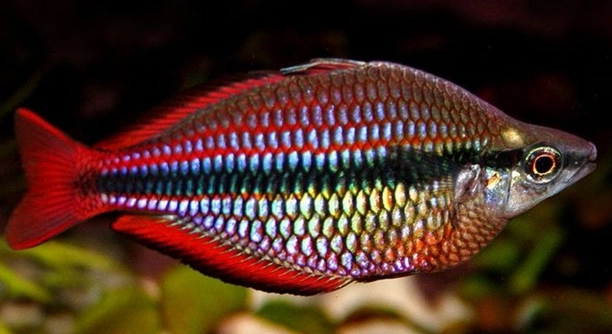
Rainbow fish are a stunning addition to any aquarium, bringing color and vibrancy. But to help them thrive, they need more than just basic care. Understanding the right upgrades will make a big difference in their well-being.
Upgrading your rainbow fish’s environment involves providing better water quality, proper lighting, and enriching their surroundings. This ensures they thrive by mimicking their natural habitat, promoting healthy growth and vibrant colors. These upgrades will reduce stress and encourage breeding.
Enhancing your tank setup with simple upgrades will improve your rainbow fish’s quality of life. These adjustments are easy to make and will provide a happier, healthier environment for them to thrive in.
Improve Water Quality for Healthier Fish
Rainbow fish thrive in clean, well-maintained water. Poor water quality is a major stress factor, leading to disease and stunted growth. It’s essential to use a good filtration system that removes excess waste, keeping the tank water clear and free of harmful toxins. Regular water changes, at least 25% once a week, will also help maintain balance and prevent harmful buildups of ammonia and nitrites.
Investing in a high-quality filter and testing the water regularly ensures your rainbow fish’s health. This simple upgrade can make a significant difference in their overall condition and vibrant colors.
To maintain stable water conditions, aim for a pH level between 7.0 and 8.0 and a temperature between 74°F and 80°F. Regularly monitoring these parameters with test kits will help keep the water in optimal condition for your fish. Adding a gentle water pump to keep water moving also improves oxygen levels, preventing stagnant spots that may harm your fish.
Provide Proper Lighting for Growth
Lighting is more important than just aesthetics. Rainbow fish need proper lighting to thrive. Bright, but not too intense, lighting will help them maintain their vibrant colors. Avoid harsh, direct lights that can stress your fish or cause algae overgrowth.
When choosing lighting, go for a system with adjustable settings so you can customize the light cycle. Aim for around 10-12 hours of light each day, mimicking a natural day-night cycle. This helps regulate their biological clock, encouraging healthy activity patterns and improving their mood.
Good lighting also supports plant growth, adding enrichment to your tank. Healthy plants offer hiding spots for the fish, promoting a sense of security and encouraging natural behaviors. Be sure to clean the light fixtures regularly to avoid any buildup of algae or grime. Consider adding a timer to your light system for consistent light exposure throughout the day. This way, your rainbow fish will enjoy a healthy, vibrant environment every day.
Add Plants for Natural Hiding Spots
Plants provide not only beauty but also a safe space for your rainbow fish. They need places to hide, especially when they feel stressed or need rest. Live plants are ideal as they also improve water quality by absorbing excess nutrients.
A mix of floating and rooted plants creates an environment closer to their natural habitat. Plants like Java Ferns or Anubias are easy to care for and thrive in most tanks. They also help to regulate the water temperature and provide oxygen, which benefits your fish.
Adding plants creates a more dynamic tank setup, encouraging natural behaviors. Your rainbow fish will appreciate the variety in their environment. The plants can also help keep algae growth in check, as they outcompete algae for nutrients. A well-planted tank also offers an attractive, calming atmosphere for both you and your fish. With a few strategically placed plants, your rainbow fish will feel secure and more vibrant.
Upgrade Tank Size for Better Movement
Rainbow fish are active swimmers and need ample space to move around. A cramped tank can cause stress, leading to health problems and duller colors. Upgrading to a larger tank is one of the best upgrades you can make for your fish.
A tank of at least 30 gallons will give your rainbow fish the room they need. It allows them to swim freely, explore, and display their natural behaviors. The extra space also makes it easier to maintain water quality by providing more stability in the environment.
A larger tank also reduces the frequency of cleaning and water changes. With more water volume, toxins are diluted more effectively, which makes the tank easier to maintain. Additionally, a bigger tank opens up more options for plants and tank mates. This creates a more natural environment and helps to keep your rainbow fish happy and healthy.
Maintain Consistent Water Temperature
Rainbow fish prefer stable water temperatures to stay healthy. Sudden changes in temperature can cause stress and weaken their immune system. A reliable heater is necessary for keeping the temperature constant.
A heater with an adjustable thermostat helps maintain the ideal range of 74°F to 80°F. Monitoring with a thermometer will ensure the temperature stays consistent, preventing fluctuations that could harm your fish. A stable environment supports their well-being and enhances their natural coloration.
Choose Compatible Tank Mates
Selecting compatible tank mates is crucial for keeping your rainbow fish calm. Peaceful, non-aggressive species work best alongside rainbow fish. Avoid overly territorial fish or aggressive species that could stress them out.
Compatible tank mates can reduce the likelihood of stress-related health issues. Species like peaceful tetras, rasboras, or other small, non-aggressive fish are ideal. This will help create a harmonious tank environment, where your rainbow fish feel safe and free to exhibit their natural behaviors.
Use a Proper Feeding Schedule
Feeding your rainbow fish on a consistent schedule is important. They require a balanced diet of high-quality flakes, pellets, and occasional live or frozen foods like brine shrimp or bloodworms.
Overfeeding can lead to water quality problems and obesity in fish. Offer small meals twice a day, ensuring the food is consumed within a few minutes. This helps maintain a healthy digestive system for your fish and keeps the water clean.
FAQ
What is the ideal tank size for rainbow fish?
Rainbow fish need space to swim, as they are quite active. A minimum tank size of 30 gallons is recommended for a small group. A larger tank, such as 50 gallons or more, will offer them even more room to move around. The extra space also helps maintain water quality and reduces stress on your fish.
How often should I change the water in my rainbow fish tank?
For optimal water quality, aim to change 25-30% of the water weekly. This helps remove toxins, waste, and excess nutrients. Regular water changes also prevent the buildup of harmful substances that could affect your rainbow fish’s health. Always use a water conditioner to neutralize chlorine or chloramine in tap water.
What do rainbow fish eat?
Rainbow fish are omnivores, so they enjoy a variety of foods. High-quality flake or pellet food should make up the majority of their diet. Supplement their meals with live or frozen foods like brine shrimp, bloodworms, or daphnia. Occasional vegetable matter, like spirulina, can also be offered.
Can rainbow fish live with other species?
Yes, rainbow fish are generally peaceful and can live with many other species. Good tank mates include peaceful tetras, rasboras, and small catfish. Avoid aggressive or territorial fish that might stress your rainbow fish. Always research potential tank mates to ensure compatibility and a harmonious tank environment.
How can I tell if my rainbow fish is stressed?
Signs of stress in rainbow fish include faded colors, erratic swimming, or hiding more than usual. If they’re constantly hiding or seem lethargic, this could indicate stress, often due to poor water quality or incompatible tank mates. Check water parameters and tank conditions if you notice these behaviors.
What is the best water temperature for rainbow fish?
Rainbow fish thrive in water temperatures between 74°F and 80°F. It’s important to maintain a stable temperature, as rapid fluctuations can stress them out. Use a reliable aquarium heater and thermometer to keep the water in the ideal range, ensuring your fish remain healthy and active.
How long do rainbow fish live?
Rainbow fish can live for around 5 to 8 years, depending on water quality, diet, and tank conditions. Providing a stable and healthy environment will help them live a longer, happier life. Regular maintenance and a proper feeding routine contribute to their longevity.
Do rainbow fish need a filter?
Yes, rainbow fish benefit from having a good filtration system. A filter helps maintain water quality by removing debris and harmful toxins like ammonia and nitrites. It’s also important for maintaining oxygen levels in the tank. Be sure to clean the filter regularly and avoid using too strong a current, as rainbow fish prefer calm water.
Can rainbow fish breed in an aquarium?
Yes, rainbow fish can breed in an aquarium if conditions are right. To encourage breeding, maintain clean water, stable temperatures, and offer a varied diet. Some species of rainbow fish may need specific conditions, such as slightly softer water or slight changes in temperature, to trigger breeding behavior.
How do I prevent algae growth in my rainbow fish tank?
To reduce algae growth, keep the tank clean and avoid overfeeding. Excess food can lead to nutrient buildups that promote algae. Keep your lighting on a timer, with about 10-12 hours of light per day, and avoid excessive direct sunlight. Adding live plants helps by absorbing nutrients that algae would otherwise use.
Can rainbow fish live in freshwater or do they need brackish water?
Rainbow fish are typically freshwater fish, though some species can tolerate slightly brackish water. However, most types of rainbow fish do best in freshwater with stable water conditions, including slightly alkaline water. Always research the specific species you have to ensure it matches their habitat requirements.
Do rainbow fish get along with other rainbow fish?
Rainbow fish are social creatures and usually do well in groups of their own kind. Keeping them in groups of at least five or more will reduce stress and encourage natural schooling behavior. They are peaceful with other rainbow fish and will form a cohesive group if housed together.
What are the common health problems for rainbow fish?
Rainbow fish are generally hardy but can suffer from common aquarium illnesses, such as ich (a parasitic infection), fin rot, or swim bladder disease. Keeping the water clean, maintaining proper temperature, and feeding a balanced diet can help prevent these issues. If a fish shows signs of illness, isolate it and consult an aquarium vet.
Final Thoughts
Rainbow fish are a wonderful addition to any aquarium. They bring color, movement, and life to your tank. However, like all fish, they require specific care to stay healthy and thrive. By focusing on the basics, such as water quality, tank size, and proper diet, you can create an environment where your rainbow fish will flourish. Regular maintenance is key, and simple upgrades to your tank setup will make a big difference in the long-term health of your fish.
Providing them with a stable environment, including appropriate lighting and temperature, will encourage natural behaviors and enhance their colors. The addition of plants and compatible tank mates can further improve their well-being by offering hiding spaces and reducing stress. It’s important to keep an eye on their water parameters and ensure that their diet remains varied and nutritious. Rainbow fish are fairly easy to care for once you understand their needs and the right adjustments to make.
Ultimately, creating a thriving environment for your rainbow fish doesn’t require major changes or complicated equipment. It’s about small, consistent efforts to maintain good water conditions, a comfortable space, and a balanced diet. By following these simple steps, your rainbow fish will not only survive but also thrive, bringing beauty and joy to your aquarium for years to come. The investment in their care is well worth it when you see their vibrant colors and active behaviors.

Hello,
If you enjoy the content that we create, please consider saying a "Thank You!" by leaving a tip.
Every little bit helps us continue crafting quality advice that supports the health, happiness, and well-being of pets around the world, for pets of all shapes, sizes, and species.
We really appreciate the kindness and support that you show us!