
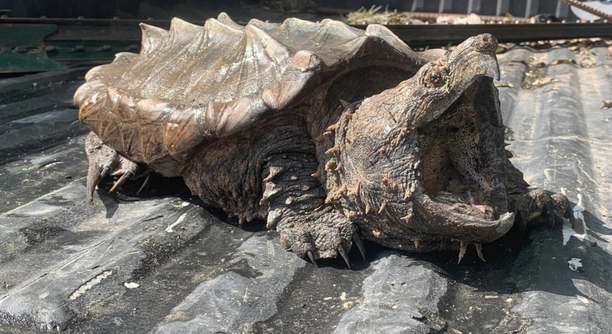
Alligator snapping turtles can sometimes be slow-moving and lethargic, leaving owners wondering how to encourage them to be more active. With the right approach, you can help your turtle feel more energized and engaged in its environment.
To make your alligator snapping turtle more active, ensure it has an appropriate environment, a varied diet, and regular mental stimulation. Providing a spacious tank with hiding spots, water temperature control, and occasional enrichment can promote physical and mental activity.
By following these simple tips, you can easily improve your turtle’s activity levels. Proper care and attention to their needs will lead to a happier, healthier snapping turtle.
Create an Enriching Habitat for Your Turtle
One of the most important factors in encouraging an active alligator snapping turtle is providing an enriching habitat. These turtles are naturally curious and enjoy exploring their surroundings. A spacious tank with plenty of hiding spots, plants, and areas for climbing will help stimulate their senses and encourage movement. Be sure to offer water with a proper filtration system to maintain cleanliness, as turtles can be sensitive to dirty water. The water temperature should be carefully monitored to match the species’ natural environment, as temperature extremes can lead to lethargy.
When setting up your turtle’s tank, it’s also essential to keep it visually stimulating. Adding rocks, driftwood, or plastic plants can create different textures and spots for your turtle to investigate. This encourages your turtle to move around and explore its environment more. Changing up the decorations every few weeks will keep things interesting for them and add a bit of novelty to their space.
The right environment can encourage more movement and exploration, boosting your turtle’s activity levels. Make sure you stay consistent with tank cleaning and decorations for the best results.
Provide a Balanced Diet
A balanced diet is vital for your turtle’s overall well-being and energy levels. Snapping turtles require a mix of protein and plant matter to stay healthy. Offering a variety of food, such as fish, insects, and leafy greens, will keep your turtle nourished and motivated to search for food, which encourages more activity.
Protein-rich foods like shrimp or worms are great for stimulating your turtle’s instincts to hunt. If your turtle is less active, offering these foods might encourage movement. Always ensure that the food is appropriately sized for your turtle, as eating too much or too little can affect their health.
Maintain Optimal Water Conditions
Water quality plays a crucial role in your turtle’s activity levels. Alligator snapping turtles are sensitive to poor water conditions, so regular water changes and filtration are necessary. Clean water helps prevent stress, which can lead to inactivity.
Keep the water temperature stable, ideally between 72°F to 78°F, to support your turtle’s metabolism. You can achieve this by using a heater if necessary. Maintaining good water quality also means checking pH levels, which should be slightly acidic to neutral (6.8 to 7.2). The cleaner and more comfortable the environment, the more active your turtle will be.
Consistently monitor the water for any changes. Dirty water can lead to poor health and lethargy. With a proper filtration system, your turtle will feel at ease and be more likely to explore and move around.
Offer Mental Stimulation
Alligator snapping turtles benefit from mental stimulation that encourages them to think and problem-solve. Providing items like floating toys or objects they can interact with helps promote curiosity and activity. These mental challenges encourage them to move more, especially when searching for food or investigating objects.
Turtles are intelligent creatures, and offering them items like live fish or crabs to hunt will keep them engaged. Enrichment activities like hiding food under rocks or in plants can also trigger their natural foraging instincts. These activities will not only encourage movement but also help keep them sharp and engaged.
Stimulating their minds encourages them to stay active and involved in their environment. This reduces boredom and promotes physical activity, benefiting their overall health and well-being.
Provide Regular Exercise
Exercise is important for an active alligator snapping turtle. Offering shallow areas in the tank where your turtle can walk or swim around helps keep it active. Allowing room for movement encourages your turtle to use its muscles and maintain strength.
Varying the environment with different depths of water and offering ramps or logs to climb will also encourage your turtle to move more. These changes will motivate your turtle to explore different areas of its habitat. Physical activity boosts energy levels, which makes your turtle more likely to swim and move around.
Providing regular opportunities for exercise prevents inactivity, keeping your turtle healthy and engaged.
Ensure Proper Lighting
Proper lighting is essential for your turtle’s health and activity. Snapping turtles need access to UVB light to absorb calcium and maintain healthy bones. Without UVB light, your turtle may become lethargic, which can lead to inactivity.
Ensure your turtle gets 10-12 hours of light exposure each day. A good-quality UVB bulb placed in the tank can help your turtle absorb essential nutrients. Over time, proper lighting can help boost your turtle’s energy levels, making it more active and alert.
FAQ
How do I know if my alligator snapping turtle is healthy?
A healthy alligator snapping turtle should have clear, bright eyes, smooth skin, and a strong shell. Their behavior should include regular swimming or moving around, especially during feeding time. You can also check for healthy eating habits and consistent bowel movements. If your turtle becomes inactive, refuses food, or shows signs of illness such as swelling or abnormal growths, it’s important to consult a vet. Regular tank cleaning and proper water quality also help ensure overall health.
What temperature should I keep the water for my turtle?
For an alligator snapping turtle, water temperature should be kept between 72°F to 78°F (22°C to 26°C). If the water is too cold, it can slow down their metabolism and make them lethargic. On the other hand, water that’s too warm can stress them out. A submersible heater can help you maintain this temperature, ensuring your turtle stays active and healthy.
Can I feed my alligator snapping turtle only pellets?
While commercial pellets designed for aquatic turtles are a convenient food option, it’s important to offer a balanced diet. A diet that consists only of pellets may lack the variety and nutrients needed to keep your turtle active and healthy. Include live or frozen fish, insects, and leafy greens. These provide essential protein, vitamins, and minerals, which help stimulate your turtle’s natural hunting behavior and keep it engaged.
How can I get my turtle to swim more?
Alligator snapping turtles may not be very active if they don’t have enough space to move around. Ensure your tank is large enough and includes shallow areas where your turtle can swim freely. Adding logs, rocks, or ramps encourages climbing and swimming, giving your turtle more opportunities to exercise. You can also try placing food in different parts of the tank to encourage movement and foraging.
Is it normal for my turtle to stay in one spot for a long time?
Turtles, like all reptiles, can be quite still for long periods, especially when basking or resting. However, if your alligator snapping turtle remains inactive for days or refuses to eat, it could be a sign of stress, poor water conditions, or health issues. Make sure the water is clean, the temperature is correct, and the lighting is appropriate. If the inactivity continues, a trip to the vet is recommended.
Can I keep multiple alligator snapping turtles together?
Alligator snapping turtles are solitary creatures and are not typically social animals. Keeping more than one in the same tank can lead to aggression, especially if they feel crowded or territorial. It’s better to house them individually to avoid stress or injury. If you want to keep more than one, make sure each turtle has its own ample space.
What should I do if my turtle isn’t eating?
If your alligator snapping turtle isn’t eating, check its environment first. Ensure the water temperature, lighting, and water quality are within the ideal range. Sometimes, turtles stop eating when stressed, ill, or uncomfortable. If there are no issues with the tank, try offering a variety of foods, such as live fish, insects, or leafy greens. If the problem persists for more than a few days, consult a vet to rule out any health issues.
Can alligator snapping turtles live in brackish water?
Alligator snapping turtles are freshwater creatures and should not be kept in brackish water. Their natural habitat consists of rivers, lakes, and wetlands with fresh water. Brackish water could cause stress or health problems. Stick to fresh water in your turtle’s tank to ensure its comfort and well-being.
How can I encourage my turtle to eat more?
To encourage eating, offer a variety of food to make mealtime more exciting. Live or frozen fish, worms, and insects can stimulate your turtle’s hunting instincts. Avoid overfeeding, as this can cause your turtle to lose interest in food. Ensure the water is at the right temperature, and check for any stressors in the environment, such as poor water quality or overcrowding.
How often should I change the water in the tank?
You should change the water in your alligator snapping turtle’s tank regularly to keep it clean and free from harmful toxins. A general rule is to change 25% to 50% of the water every 1-2 weeks. However, if you have a smaller tank or your turtle produces a lot of waste, more frequent water changes may be necessary. A good filtration system can also help keep the water clean between changes.
Do alligator snapping turtles need a basking area?
Yes, alligator snapping turtles require a basking area. While they spend most of their time in the water, they need a dry area where they can climb out to bask under UVB lighting. Basking helps them regulate body temperature and absorb essential UVB rays, which promote healthy shell and bone growth. Make sure the basking area is easily accessible for your turtle.
Final Thoughts
Alligator snapping turtles are unique creatures with specific needs that require attention to ensure they stay active and healthy. By providing a proper habitat, including space to swim, basking areas, and the right water conditions, you can help your turtle thrive. Keeping their environment clean and adjusting the temperature to the right levels also plays a significant role in their overall well-being. Proper lighting, such as UVB light, is essential for their health, allowing them to absorb necessary vitamins and keep their shells strong.
Feeding your turtle a varied diet will also make a difference in keeping them active. A mix of live prey, commercial pellets, and vegetables ensures they get all the nutrients they need. Regular exercise, through swimming and exploring their environment, is another key factor in maintaining their energy levels. Encouraging movement with tank setup adjustments, like adding rocks, ramps, or logs, can stimulate your turtle to stay active and healthy. This variety in their environment helps prevent them from becoming too sedentary.
While alligator snapping turtles may naturally be slower or less active than other species, it’s important to monitor their behavior and make adjustments when needed. If your turtle shows signs of lethargy or a decrease in appetite, it could indicate an issue with their habitat or health. With the right care, your turtle can lead a long, healthy life while staying engaged and active.

Hello,
If you enjoy the content that we create, please consider saying a "Thank You!" by leaving a tip.
Every little bit helps us continue crafting quality advice that supports the health, happiness, and well-being of pets around the world, for pets of all shapes, sizes, and species.
We really appreciate the kindness and support that you show us!