
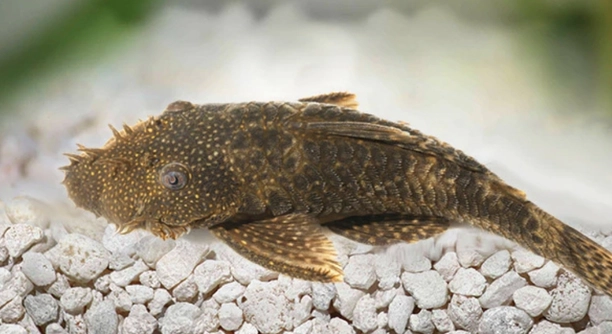
Is your plecostomus acting skittish, hiding more than usual, or darting around the tank in a panic whenever you walk by?
The most effective way to calm a nervous plecostomus is by maintaining a consistent, low-stress environment. Proper tank setup, low lighting, hiding spaces, and minimal disturbance are key factors in helping your pleco feel secure and comfortable.
Understanding these simple adjustments can make a big difference in your plecostomus’s daily comfort and long-term well-being.
Create a Safe and Quiet Tank Environment
Plecostomus are sensitive to noise, light, and sudden movement. Their stress often comes from being in a loud or overly active area of your home. Keep the tank in a calm spot, away from televisions, speakers, and high-traffic walkways. Dim lighting is also important—use a low-watt bulb or keep the tank light off for most of the day. Make sure your filter is working properly but not creating harsh currents. Fast water flow can unsettle them. Keep vibrations to a minimum by placing the tank on a stable, padded surface. These small details matter. If your pleco senses constant disruption, it will stay hidden or act jumpy. Observing their patterns and making environmental adjustments can bring noticeable improvements in their behavior.
Noise and movement directly impact your pleco’s comfort. A peaceful space helps it feel secure and encourages more relaxed activity around the tank.
Consider adding plants and soft background decor to soften the surroundings. Floating plants help filter light naturally, giving your plecostomus shaded spots to relax in. Gentle backgrounds also reduce reflections that might startle them. Together, these changes make the space feel more like their natural habitat.
Provide Proper Hiding Spots
Hiding spaces reduce stress in plecostomus and help them feel protected. Without them, they may constantly feel exposed and anxious.
Use smooth rocks, driftwood, or clay caves to create hiding areas that feel natural. Avoid sharp or jagged pieces that could harm their skin. It’s ideal to place multiple shelters in different parts of the tank. Some plecos prefer to stay closer to the bottom, while others like tucked-away vertical spaces. Make sure the hiding spots are dark and just large enough for your pleco to enter and turn around. This prevents other fish from disturbing them while they rest. Don’t overcrowd the tank with decorations, though—open swimming space is still necessary. With a good balance of cover and open areas, your pleco will feel free to explore or retreat as needed. Regular use of these spaces is a sign they feel safe and less anxious overall.
Keep Tank Lighting Soft and Consistent
Bright or changing light can stress a plecostomus. Use dim lighting and avoid switching lights on and off quickly. Stick to a routine so the tank stays calm and predictable, especially during the evening.
Plecos are nocturnal and prefer darker environments. Sudden light changes can cause them to dart or hide. A soft, constant light source allows them to settle without feeling exposed. If your pleco is hiding constantly or appears jumpy, harsh lighting might be a reason. Try using a timer for consistent on-and-off cycles—roughly 8–10 hours of light daily is enough. You can also add floating plants or tall decorations to block direct light from reaching the lower levels of the tank. These adjustments mimic the shaded riverbeds they’re used to in nature and help reduce anxiety. Over time, your pleco may become more relaxed and show more natural behaviors.
Too much light can also cause algae to grow quickly, which might seem helpful for your plecostomus at first, but it can also lead to poor water quality if not balanced properly. A steady light cycle keeps algae in check and supports better tank conditions. Calm lighting helps create a relaxing space, encouraging your pleco to feel at ease.
Avoid Startling Movements Near the Tank
Quick gestures, loud noises, or bumping the tank can make plecos nervous. Always move slowly near the tank and avoid tapping the glass or shifting decorations too often.
Plecostomus rely on vibrations and changes in water movement to sense danger, so sudden movements—even outside the tank—can put them on high alert. If you’re doing maintenance, approach gently and avoid creating splashes or abrupt shifts. Feeding should also be done calmly and at the same time each day. Predictable routines let your pleco know when to expect activity. Keep pets and children from crowding the tank or tapping on the sides. Over time, repeated stress like this can impact health and behavior, causing your pleco to hide more or eat less. A calm environment encourages them to explore and interact more naturally, showing they’re at ease in their space.
Maintain Good Water Quality
Clean, stable water helps your plecostomus stay calm and healthy. Test the water regularly for ammonia, nitrite, and nitrate levels. Do partial water changes weekly and avoid large swings in temperature or pH, which can cause stress.
Use a gentle filter that doesn’t create strong currents. Rinse filter media in tank water during changes to preserve helpful bacteria. Avoid overcrowding the tank, as too many fish can quickly lead to poor water quality. A well-maintained tank supports calm behavior and reduces signs of anxiety in plecos.
Feed a Balanced and Consistent Diet
A consistent feeding routine helps your plecostomus feel secure. Feed them at the same time each day with a mix of sinking algae wafers, blanched vegetables like zucchini or cucumber, and occasional protein treats like shrimp pellets. Avoid overfeeding, which can cloud the water and raise stress levels. Make sure food reaches the bottom where plecos feed naturally. Uneaten food should be removed to keep the water clean. Providing variety in their diet ensures proper nutrition and helps them stay active. A well-fed pleco will appear more relaxed, show better color, and be more confident in exploring its tank.
Limit Tank Rearranging
Moving decorations too often can unsettle your pleco. Keep their favorite hiding spots in place and avoid changing the layout unless absolutely necessary. Familiar surroundings help reduce stress.
FAQ
Why is my plecostomus always hiding?
Plecostomus are naturally shy and nocturnal. Hiding during the day is completely normal, especially if the tank is bright or there’s a lot of activity nearby. If your pleco is hiding more than usual, it could be due to stress from sudden changes in lighting, poor water quality, or tank mates that are too active. Providing caves, driftwood, and plants helps them feel secure. Over time, a calm environment and proper care can encourage them to come out more often during low-light hours.
Can plecos get stressed from loud noises?
Yes, they can. Plecostomus are sensitive to vibrations in the water. Loud music, knocking on the tank, or sudden sounds in the room can startle them. Repeated exposure to these stressors may lead to long-term stress behaviors like refusing to eat, swimming erratically, or hiding for long periods. Keeping the tank in a quiet area and reducing sudden noise helps them stay calm.
How can I tell if my pleco is stressed?
Signs of stress in plecostomus include hiding constantly, darting around the tank, clamped fins, reduced appetite, and changes in color. A stressed pleco may also avoid food or breathe more rapidly than usual. Look for these patterns over time, and check water quality, lighting, and tank conditions if they persist. Addressing the cause early can prevent long-term health issues.
Do plecos like being alone?
Yes, most plecos are solitary by nature, especially the common and bristlenose types. They don’t need companions and often get territorial with other bottom dwellers or other plecos. If you keep more than one, make sure the tank is large and has multiple hiding spots. Otherwise, it’s perfectly fine to keep a single pleco—it’s often less stressful for them.
Should I turn off the tank light at night?
Yes, turning off the light at night is essential. Plecos are nocturnal and become more active in the dark. A regular light cycle of 8–10 hours on and the rest off mimics their natural rhythm and reduces stress. Keeping the light on 24/7 can throw off their behavior and make them hide more.
What’s the best temperature range for a pleco?
Plecostomus do best in water between 72°F and 78°F (22°C to 25.5°C). Avoid quick temperature changes, as they can be stressful and harmful. Use a heater with a thermostat to maintain steady conditions. Monitoring temperature daily helps avoid issues, especially during seasonal shifts or water changes.
How often should I feed my plecostomus?
Feed adult plecos once a day, ideally in the evening when they’re naturally more active. Young or growing plecos may need smaller portions twice a day. Stick to a schedule and give them time to eat before removing uneaten food. Overfeeding can lead to poor water quality and stress.
Why is my pleco not eating?
If your plecostomus stops eating, check the water conditions first—ammonia or nitrite spikes can reduce appetite. Stress from recent tank changes, illness, or bullying by other fish can also be factors. Try offering a favorite food like blanched zucchini or a sinking algae wafer. If it continues, isolate the cause quickly to avoid further health issues.
Can tank mates stress out a plecostomus?
Definitely. Fast-moving or aggressive fish can make plecos feel threatened, especially during feeding or rest times. Choose peaceful tank mates like tetras or corydoras. Avoid fin-nippers and overly curious species. Giving your pleco a calm tank with enough hiding spots helps them feel safe around others.
Is it okay to clean the tank while my pleco is inside?
Yes, but move gently. Avoid sudden movements or loud equipment. Try to keep their hiding spots undisturbed and don’t change too much at once. Doing smaller, more frequent water changes is less stressful than big overhauls. Always use dechlorinated water and match the temperature to avoid shocking them.
Final Thoughts
Caring for a nervous plecostomus doesn’t have to feel overwhelming. With small changes and consistent care, it’s possible to create a calm, safe environment where your pleco can relax and thrive. Start by making sure the basics are right—good water quality, stable temperatures, and enough hiding spots. These simple adjustments often make a big difference. Watching your pleco slowly become more comfortable and active is a good sign that things are working. Nervous behavior isn’t always a sign of something wrong, but it is helpful to pay attention. Learning what your pleco responds well to can make your tank a better place for all your fish.
Every plecostomus is different. Some may always be a little shy, while others become more visible over time. The key is patience. Forcing interaction or changing too many things at once may actually increase stress. Keeping a calm tank atmosphere, choosing peaceful tank mates, and avoiding sudden noise or movement helps them feel more secure. It’s also important to be consistent with your feeding routine and lighting schedule. Over time, your pleco will recognize the rhythm of the tank and begin to settle in. If you notice signs of stress that don’t improve—like poor appetite or unusual behavior—it may be time to double-check water conditions or consider other causes.
Taking the time to understand your plecostomus will not only help reduce stress but also build a more balanced aquarium overall. When the environment is stable and their needs are met, plecos are hardy, low-maintenance fish. They play an important role in keeping tanks clean and can live for many years with the right care. Watching their quiet routines, from late-night exploring to resting on driftwood, can be rewarding in its own way. It’s not about making them act differently but about supporting their natural behavior in a peaceful setting. As long as they have enough space, proper nutrition, and the chance to retreat when they want, your pleco has everything it needs to stay healthy and calm. Regular observation, gentle adjustments, and a little patience can go a long way in helping your plecostomus feel at ease in your tank.

Hello,
If you enjoy the content that we create, please consider saying a "Thank You!" by leaving a tip.
Every little bit helps us continue crafting quality advice that supports the health, happiness, and well-being of pets around the world, for pets of all shapes, sizes, and species.
We really appreciate the kindness and support that you show us!