
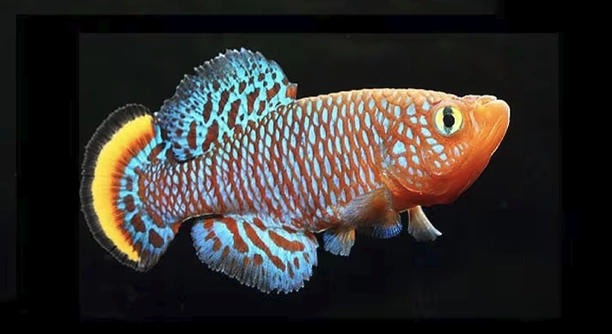
Killi fish show beautiful colors, but sometimes they can look dull or faded. Many fish keepers want simple ways to make their killi’s colors brighter and more vibrant. This article shares easy tricks anyone can try at home.
Enhancing killi colors involves proper diet, clean water, and a well-balanced environment. Providing natural foods rich in carotenoids, maintaining optimal water conditions, and reducing stress are key factors that contribute to brighter and healthier coloration in killifish.
These tips will help you improve your killi’s appearance and enjoy their stunning colors more fully over time.
Feed Natural Foods Rich in Carotenoids
One of the easiest ways to brighten killi colors is through their diet. Killifish show stronger, more vibrant colors when they eat foods rich in carotenoids. These natural pigments help deepen reds, oranges, and yellows. Feeding your fish live or frozen foods like brine shrimp, daphnia, and bloodworms will boost their color naturally. Some high-quality flakes and pellets also contain added carotenoids, which can help maintain brightness over time. Avoid overfeeding, as this can lead to poor water quality, which dulls their colors. A balanced diet with variety will keep your killis healthy and colorful. Changing their food gradually helps them adjust without stress. When killifish receive the right nutrients, their colors tend to glow more under aquarium lighting. It’s a simple step that shows clear results with consistent care.
Consistent feeding of carotenoid-rich foods improves color vibrancy and overall health in killifish.
Healthy fish reflect bright colors more effectively, so focus on nutrition and watch their colors come alive.
Keep Water Clean and Stable
Keeping water clean is essential for bright killi colors. Dirty or unstable water causes stress and weakens their colors quickly.
Regular water changes help remove waste and toxins that dull colors. Using a good filtration system keeps the water clear and oxygenated. Test your water often to maintain the right temperature, pH, and hardness levels suited for your killi species. Sudden changes in these parameters can cause stress and color loss. Soft, slightly acidic water usually works best for many killis, but it depends on the type you have. Avoid overcrowding, as it increases waste and stress, leading to faded colors. Keeping the tank environment stable and clean will promote vivid, healthy fish that show their best colors daily. Taking time for proper maintenance is a small effort compared to the joy of seeing bright, lively killifish.
Stable, clean water supports vibrant colors by reducing stress and promoting good health.
Maintaining consistent water conditions and regular cleaning enhances your killifish’s natural beauty and longevity.
Provide Proper Lighting
Good lighting makes killi colors more visible and vivid. Natural daylight or aquarium lights that mimic sunlight work best.
Killifish colors really pop under full-spectrum LED lighting designed for aquariums. These lights enhance their natural hues without stressing the fish. Avoid very bright or harsh lighting because it can cause stress or encourage algae growth. Using a timer to give your fish a consistent day-night cycle helps maintain their health and colors. About 8 to 10 hours of light daily is ideal to keep colors bright and natural. Adjust light intensity based on your tank setup and the needs of your specific killi species.
Proper lighting brings out subtle color details that might otherwise go unnoticed. It makes your tank look lively and highlights the fish’s beauty. Consistent lighting routines also support their biological rhythms, improving overall well-being.
Reduce Stress in the Aquarium
Stress weakens killi colors and can lead to illness. Keeping the tank calm and stable helps maintain vibrant colors.
Avoid sudden changes in temperature, water quality, or tank decorations, as these can stress your fish. Choose tank mates carefully—killifish prefer peaceful companions or small groups of their own kind. Provide plenty of hiding spots like plants and decorations to make them feel safe. Limit handling and loud noises near the tank. When stress is low, killifish display their brightest, healthiest colors. Creating a secure, calm environment is key to keeping your fish looking their best and staying active daily.
Use Plants to Enhance Colors
Live plants create a natural environment that helps killifish feel secure. Their colors often improve when surrounded by greenery. Plants also help keep water clean, which supports bright colors.
Plants like Java fern, Anubias, and mosses are low-maintenance choices that work well in killi tanks. They provide hiding spots and reduce stress, both of which encourage vibrant coloring.
Maintain Ideal Temperature
Keeping the water temperature stable between 72°F and 78°F is important. Temperature swings can stress killifish and dull their colors.
Avoid Overcrowding
Too many fish in one tank cause competition and stress. This often leads to faded colors and unhealthy behavior. Keeping the population balanced allows each fish to display its full color potential.
FAQ
Why are my killi fish colors fading?
Colors in killifish can fade for several reasons. Stress from poor water quality, improper diet, or sudden changes in temperature often causes dullness. Overcrowding and lack of hiding places also contribute to stress. Ensuring a stable environment, feeding carotenoid-rich foods, and keeping the water clean usually restores color vibrancy.
How often should I feed my killifish to keep their colors bright?
Feeding your killifish small amounts 1-2 times a day is ideal. Overfeeding can pollute the tank and dull colors, while underfeeding may lead to poor health. A balanced diet including live or frozen foods rich in carotenoids helps maintain bright, healthy colors.
Can lighting affect the color of my killifish?
Yes, lighting has a big impact on how colors appear. Full-spectrum aquarium lights that mimic natural sunlight bring out the best in killifish colors. Too bright or harsh lighting can stress the fish and make colors appear washed out, while low lighting can hide their true hues.
Are live plants necessary for vibrant killifish colors?
Live plants are not strictly necessary, but they help a lot. Plants provide hiding spots and reduce stress, which improves coloration. They also help keep water clean by absorbing nitrates. Simple plants like Java fern or Anubias are easy to care for and benefit your killifish tank.
How important is water temperature for color brightness?
Water temperature is very important. Killifish usually do best between 72°F and 78°F. Temperature fluctuations cause stress, which dulls colors. Keeping the temperature stable supports their natural metabolism and keeps their colors vivid.
Can stress cause permanent color loss in killifish?
Stress usually causes temporary fading, but long-term or severe stress may lead to lasting color loss or health issues. Reducing stress by maintaining clean water, proper diet, and peaceful tank conditions will help colors return and keep your fish healthy.
What tank size is best to keep killifish healthy and colorful?
A tank of at least 10 gallons is recommended for most killifish species. This gives them enough space to swim and reduces stress caused by overcrowding. More space supports better water quality, which in turn helps maintain bright colors.
Is it better to keep killifish alone or in groups?
Many killifish species prefer living in small groups or pairs. Social interactions can reduce stress and improve colors, but overcrowding leads to aggression and dullness. Research your species’ behavior to decide the best setup.
Do different killifish species need different care to brighten their colors?
Yes, different species have slightly different needs. Some prefer softer, acidic water while others tolerate harder water. Temperature ranges and diet preferences also vary. Learning about your specific killifish species helps you provide the best care for vibrant colors.
How can I tell if my killifish diet is lacking carotenoids?
If your killifish colors appear pale, especially reds and oranges, it may indicate a carotenoid deficiency. Adding live or frozen foods rich in carotenoids like brine shrimp and bloodworms can help restore color.
Can adding supplements help improve killifish colors?
Certain color-enhancing supplements are available, but natural food sources are usually more effective and healthier long term. Supplements can be used occasionally but should not replace a balanced diet.
How long does it take to see color improvements after changing care routines?
Color improvements may take several weeks after adjusting diet, lighting, or water conditions. Consistency is key; gradual changes help reduce stress and allow colors to develop naturally.
Is it normal for killifish colors to change with age?
Yes, some killifish species naturally change colors as they mature or during breeding. These changes are normal and often part of their natural life cycle.
What signs show my killifish are stressed besides color fading?
Besides dull colors, stressed killifish may hide more, become less active, or show changes in appetite. Watch for rapid breathing or unusual swimming patterns as well.
Can water hardness affect killi colors?
Water hardness can influence coloration depending on the species. Many killifish prefer softer water, which helps maintain vibrant colors. Testing and adjusting hardness to suit your fish is beneficial.
Are artificial decorations bad for killifish colors?
Artificial decorations are not harmful by themselves but may stress fish if they reduce swimming space or lack hiding spots. Smooth decorations are preferred to avoid injury. Providing enough hiding places improves comfort and color.
Final Thoughts
Keeping your killifish colors bright takes consistent care and attention. The main factors that influence their colors include diet, water quality, lighting, and stress levels. Feeding them natural foods rich in carotenoids will help enhance the reds, oranges, and yellows that make killifish so beautiful. It is important to maintain clean and stable water conditions, as poor water quality or sudden changes in temperature can cause stress and dull their colors quickly. Proper lighting that mimics natural daylight also plays a key role in showing off their vibrant hues.
Creating a calm and secure environment in the tank is just as important. Stress weakens a fish’s immune system and affects how bright their colors appear. Providing plenty of plants or decorations for hiding spots will help your killifish feel safe. Avoid overcrowding the tank and choose peaceful tank mates if you keep other fish. Regular monitoring of water temperature, pH, and hardness helps keep conditions steady. When killifish are comfortable, healthy, and well-fed, their colors will naturally improve and stay bright over time.
Patience is important when trying to boost your killifish’s colors. Changes don’t happen overnight, but with steady care, you will notice gradual improvements. Paying attention to their environment and diet ensures they thrive and display their best colors. Every tank and fish is a little different, so learning the specific needs of your killifish species helps you make the best choices. Bright, colorful killifish make a beautiful addition to any aquarium, and simple steps can make a big difference in how they look and feel.

Hello,
If you enjoy the content that we create, please consider saying a "Thank You!" by leaving a tip.
Every little bit helps us continue crafting quality advice that supports the health, happiness, and well-being of pets around the world, for pets of all shapes, sizes, and species.
We really appreciate the kindness and support that you show us!