
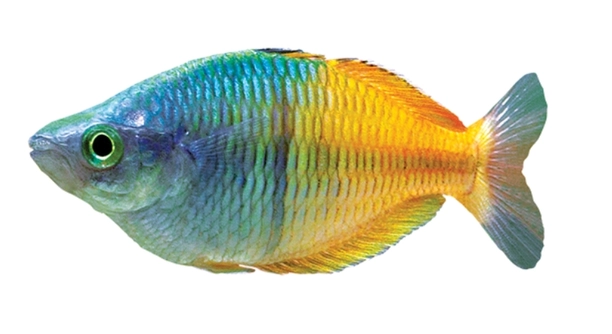
Rainbow fish are known for their vibrant colors and active behavior. As an aquarium owner, ensuring they thrive is key to their happiness and health. Here are some simple upgrades to enhance their living environment.
One of the best ways to improve your rainbow fish tank is by adding more plants, which offer hiding spots and improve water quality. Increasing filtration will help maintain cleaner water, while a varied diet can boost their health and coloration.
These upgrades will help keep your rainbow fish content, contributing to a more vibrant and thriving aquarium.
Add More Plants for a Healthier Tank
Plants not only make a tank look beautiful but also provide essential benefits for your rainbow fish. Live plants create natural hiding spots, reduce stress, and help maintain water quality. They also help absorb excess nutrients, preventing algae overgrowth. Additionally, plants release oxygen into the water, which supports the fish’s overall health. You can try easy-to-care-for plants like Anubias, Java Ferns, or Amazon Sword plants, which are perfect for beginner aquarium setups. Just make sure to give them enough light and trim them regularly to avoid overcrowding.
Having plants also improves the tank’s ecosystem by promoting a more balanced environment. Their roots can filter the water naturally, keeping it cleaner for your fish. Rainbow fish prefer tanks that resemble their natural habitats, so adding plants makes them feel more at ease. If you want a low-maintenance setup, go for hardy plants that don’t need a lot of attention but still provide the necessary benefits.
Don’t forget that plant care is just as important as fish care. With proper maintenance, your fish will enjoy a more comfortable and healthier home.
Upgrade Your Filter for Clean Water
A high-quality filter ensures the water stays clean and oxygenated. It’s essential for a thriving aquarium. A strong filter system keeps harmful substances in check, giving your fish a cleaner, healthier environment. A good filter will also reduce the frequency of water changes, making your maintenance routine easier.
Rainbow fish are particularly sensitive to poor water quality. Without proper filtration, toxins like ammonia can build up, which could harm their health. A good filter keeps the water clear, prevents buildup, and creates a better habitat for your fish. Make sure your filter is appropriate for the size of your tank.
Choosing the right filter is key. Consider an external canister filter for larger tanks or a sponge filter for smaller setups. Filters with adjustable flow rates allow you to regulate the water movement to match the needs of your fish. Keep your filter clean to ensure it runs efficiently. Clean water equals happy fish, so don’t skip this step.
Provide Proper Lighting
Proper lighting plays a crucial role in the health and behavior of your rainbow fish. A light cycle of 10-12 hours a day helps mimic natural day-night patterns. Make sure the tank is not too bright or too dim, as this can stress your fish or encourage unwanted algae growth. LED lights are a great option, offering both energy efficiency and adjustable brightness.
Rainbow fish tend to be more active when they have appropriate lighting, and it can also enhance their vibrant colors. In addition, it supports the plants in your tank, ensuring they grow healthy. Avoid leaving lights on for too long, as it can lead to algae blooms. If you find that algae is a problem, consider adding some floating plants to help block excess light from reaching the substrate. This balance is key to keeping both your plants and fish healthy.
Good lighting isn’t just for looks—it directly impacts the wellbeing of the entire tank, keeping things in balance and giving your fish the most natural environment possible.
Maintain Stable Water Temperature
Rainbow fish are sensitive to changes in water temperature, so maintaining a stable range is essential. The ideal temperature is between 72-78°F (22-25°C). Sudden shifts can stress them out, making them more vulnerable to illness.
Investing in a reliable aquarium heater will ensure that the temperature stays consistent. Position the heater near the filter to promote even water circulation, and always check the tank’s temperature regularly with a thermometer. Stable temperatures reduce stress and keep your fish healthy. Be mindful of seasonal changes in room temperature that may affect the tank’s climate.
It’s essential to regularly monitor the tank’s temperature to avoid any unexpected fluctuations. If you live in a colder climate, a heater guard will keep the device safe from curious fish. Proper temperature management is key to a thriving, stable environment for your rainbow fish.
Add a Variety of Food
Feeding your rainbow fish a variety of foods ensures they receive all the nutrients they need. Offer high-quality pellets, flakes, and occasional treats like brine shrimp or bloodworms. Rotate foods regularly to keep them interested and maintain a balanced diet.
A varied diet supports better coloration and overall health. Feeding too much of one type of food can lead to nutritional imbalances, so providing a range of options will help keep your fish happy and active. Fresh, frozen, or freeze-dried foods can all be good options. Be sure to adjust portions based on the size of your tank and fish.
Keeping food choices diverse also helps prevent boredom. Rainbow fish appreciate new flavors, and offering different options will keep them engaged.
Improve Tank Decor
Adding different types of decor like rocks, driftwood, and caves gives rainbow fish more places to explore. They enjoy having plenty of hiding spots and places to swim through.
Tank decorations also help simulate their natural environment. It’s important to arrange the decor in a way that allows for open swimming areas while still providing cover. Be sure to choose smooth-edged decor to prevent injury. A balanced tank design creates a sense of security for your fish, making them feel more comfortable and less stressed.
Investing in decor not only improves the aesthetic of the tank but also boosts the fish’s wellbeing.
Control Tank Size
Rainbow fish thrive in larger tanks where they can swim freely. A tank size of at least 20 gallons is recommended for a small group.
Larger tanks reduce stress by providing more space to explore and swim. A tank that’s too small can cause overcrowding, leading to aggression and poor water quality. The size of the tank also makes it easier to maintain water parameters and reduces the risk of disease.
Ensuring proper tank size is a key factor in your fish’s comfort and health.
FAQ
How often should I feed my rainbow fish?
Rainbow fish should be fed once or twice a day. It’s important to offer only as much food as they can consume in 2-3 minutes. Overfeeding can lead to poor water quality and health problems. To ensure they stay healthy, vary their diet with flakes, pellets, and occasional treats like bloodworms or brine shrimp.
What size tank do rainbow fish need?
A 20-gallon tank is the minimum recommended for a small group of rainbow fish. Larger tanks are better, especially if you plan to keep more fish. A bigger tank helps reduce stress, allows for more swimming space, and makes it easier to maintain water quality. Make sure there are no sharp edges or decorations that could harm the fish.
Can rainbow fish live with other fish?
Yes, rainbow fish are peaceful and can live with other non-aggressive species. They do well in community tanks with other fish that prefer similar water conditions. Make sure to avoid any aggressive or territorial fish that might stress them out. Popular tank mates include tetras, gouramis, and peaceful cichlids.
What water conditions do rainbow fish need?
Rainbow fish prefer slightly acidic to neutral water, with a pH between 6.5 and 7.5. They also thrive in soft to moderately hard water. Keeping the water temperature between 72-78°F (22-25°C) is essential for their health. Regular water changes, at least 25% every two weeks, will help maintain ideal water conditions.
How can I tell if my rainbow fish are stressed?
Signs of stress in rainbow fish include faded colors, erratic swimming, hiding, or rubbing against objects in the tank. They may also refuse to eat. Stress can be caused by poor water quality, overcrowding, sudden temperature changes, or incompatible tank mates. Ensuring proper tank conditions and providing enough space can help reduce stress.
Are rainbow fish easy to care for?
Rainbow fish are generally easy to care for as long as their basic needs are met. They require good water quality, a balanced diet, and a tank with enough space to swim freely. With the right setup, rainbow fish can thrive with minimal effort. However, consistent care is essential to keep them healthy.
Can rainbow fish breed in an aquarium?
Yes, rainbow fish can breed in an aquarium if the conditions are right. They prefer slightly acidic water with a temperature of around 74-78°F (23-26°C). A separate breeding tank with fine-leaf plants or spawning mops can encourage them to lay eggs. Once the eggs hatch, remove the parents to prevent them from eating the fry.
What should I do if my rainbow fish are sick?
If your rainbow fish show signs of illness, such as discoloration, unusual swimming patterns, or lesions, first check the water quality. Poor water conditions are often the cause of fish sickness. If water parameters are fine, isolate the sick fish in a quarantine tank and treat according to the symptoms. Consult a veterinarian or aquarium expert for more specific treatments.
Can rainbow fish live with plants?
Yes, rainbow fish do well with live plants in their tank. Plants provide hiding spots, help improve water quality, and contribute to a more natural environment. Choose hardy plants like Java Ferns, Anubias, and Amazon Swords, which are easy to maintain and thrive in various water conditions. Be sure to keep the plants trimmed to prevent overcrowding.
How do I maintain the right water temperature for rainbow fish?
To maintain the right water temperature, use a reliable aquarium heater. Make sure to place the heater near the filter for even water circulation. A thermometer will help monitor the temperature, ensuring it stays within the recommended range of 72-78°F (22-25°C). Avoid placing the tank in drafty areas or near heat sources that could cause temperature fluctuations.
What should I do if my rainbow fish are fighting?
Rainbow fish are generally peaceful, but sometimes competition for space or food can lead to aggression. Ensure your tank is large enough and that there are enough hiding spots for each fish. You can also reduce stress by keeping a larger group of fish, as they tend to do better in schools. If fighting persists, consider rearranging the tank decor to disrupt territorial behavior.
Why are my rainbow fish not eating?
Rainbow fish may stop eating due to stress, illness, or water quality issues. Check the water parameters, as poor conditions can cause fish to lose their appetite. If the water is fine, ensure that the food being offered is appropriate and fresh. Consider offering live or frozen foods to entice them to eat.
Final Thoughts
Rainbow fish are beautiful and easygoing creatures that can thrive in a well-maintained tank. With the right environment, diet, and care, they can bring vibrant colors and peaceful energy to your aquarium. Ensuring that their water quality remains stable, that they have enough space to swim, and that they are fed a varied diet is key to their health. While they are not demanding, consistency in maintaining their habitat is necessary for their long-term wellbeing.
The most important factors to keep in mind are temperature, water conditions, and tank mates. Rainbow fish are sensitive to sudden changes, so it’s essential to keep their environment as stable as possible. Having the proper lighting, a varied diet, and appropriate tank decor can further improve their quality of life. In addition, these fish are known for their social nature, so keeping them in schools will make them feel more secure and less stressed.
While they are relatively easy to care for, rainbow fish still require attention to detail. Regular water changes, monitoring of water parameters, and keeping an eye out for any signs of illness will ensure that they remain happy and healthy. With these simple steps, you can enjoy watching your rainbow fish grow and thrive, making them a beautiful addition to your aquarium.

Hello,
If you enjoy the content that we create, please consider saying a "Thank You!" by leaving a tip.
Every little bit helps us continue crafting quality advice that supports the health, happiness, and well-being of pets around the world, for pets of all shapes, sizes, and species.
We really appreciate the kindness and support that you show us!