
Are your platies looking a little bored or less active in their tank lately, even though you’re doing everything right?
Simple tank modifications can greatly improve the quality of life for platies. By creating a more engaging and natural environment, these changes support their physical health and mental stimulation, encouraging more active and social behavior.
From plants to hiding spots and improved lighting, these easy updates can bring out the best in your platies and help them thrive.
Add Live Plants
Live plants can make a big difference in how your platies feel in their tank. They help mimic a more natural environment, offering shade, places to hide, and gentle spaces to explore. Plants like java fern, hornwort, and anubias are easy to care for and don’t need special lighting. These plants also help improve water quality by absorbing excess nutrients, which means your tank stays cleaner longer. Platies are active swimmers and enjoy weaving through leaves, which can reduce stress and promote healthier behavior. Adding live plants not only makes the tank look better but also supports a healthier environment.
Live plants can also encourage breeding behavior in platies by giving them a safe space to lay their fry.
You don’t need to fill the whole tank with plants—just a few well-placed pieces will help. Try placing taller plants in the back and shorter ones in front to make the space feel open but cozy.
Use a Darker Substrate
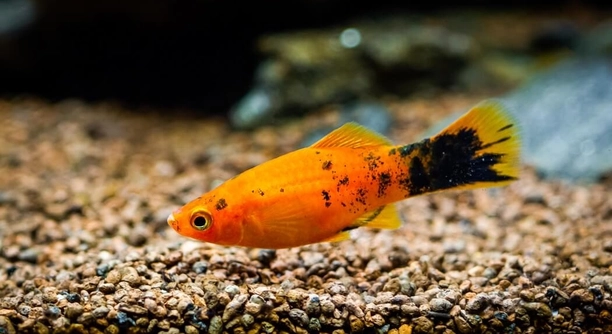
Dark substrates can make platies feel more secure and bring out their colors.
Using a darker gravel or sand can help reduce glare and light reflection, which often makes fish uneasy. Platies will feel safer and more confident swimming in an environment that mimics the bottom of a natural body of water. Their colors—especially reds, oranges, and blues—often look richer and more vibrant against a dark base. This not only helps your fish feel more relaxed but also enhances the overall look of your tank. If you’re using live plants, darker substrate also contrasts well with green leaves, creating a peaceful, natural appearance. Be sure to rinse any new substrate before adding it to the tank, and consider layering it gently to avoid disturbing beneficial bacteria if you’re replacing an old one. Making this small change can have a noticeable effect on how active and comfortable your platies appear day to day.
Add Floating Plants
Floating plants help your platies feel safer, especially near the surface. These plants provide shade and reduce bright lighting, which can stress fish. They also encourage natural behaviors like exploring and hiding, making your platies more active and calm.
You don’t need anything complicated—duckweed, frogbit, or red root floaters all work well. These plants multiply quickly, so it’s important to trim them often to prevent blocking too much light from reaching lower parts of the tank. Floating plants help with water quality by soaking up extra nutrients, reducing algae growth. Platies may also nibble on their roots, which gives them something to do between feedings. Try to leave open swimming space in the middle, especially if you have other fish that prefer light. Keep an eye on filter flow too; floating plants can clump and block it.
Over time, floating plants create a peaceful, low-light zone that can make platies feel more at ease. This sense of comfort often leads to more relaxed swimming and natural social interaction. They’ll be less likely to hide and more likely to explore different areas of the tank. Just be careful not to let the plants completely cover the surface—platies still need clear access to oxygen-rich areas and room to feed comfortably.
Provide Hiding Spots
Hiding spots help reduce stress in platies by giving them places to escape when they feel threatened or overwhelmed. Even peaceful tanks can feel too open sometimes, and having small caves or decorations helps your fish feel more at home.
Use objects like ceramic tubes, coconut shells, or small rock formations that won’t harm your platies. Place them in the corners or along the back wall of the tank to keep the swimming area open. Try to avoid overcrowding, since too many decorations can take away space for swimming. Platies don’t hide often, but knowing they have a safe space can boost their confidence. Some fish may even claim spots as their own, which can reduce minor aggression or chasing. You don’t need to spend much—many good hiding spots can be made from safe aquarium materials or even cleaned, unused terracotta pots turned on their sides.
Lower the Filter Flow
Platies enjoy swimming, but strong currents can tire them out or push them around. A gentler filter flow creates a calmer space, especially for younger or smaller fish. Use a sponge filter or adjust the outlet direction to reduce surface agitation.
If your filter has adjustable settings, try turning it down slightly. You can also add a baffle or place decorations in front of the outflow to break the current. This keeps water movement gentle while still allowing for proper filtration and oxygen exchange. A calmer tank often leads to more stable and confident behavior in platies.
Increase Tank Enrichment
Platies benefit from variety in their surroundings. Adding new items like floating rings, leaf hammocks, or safe plastic decorations gives them new places to explore. You can also rotate tank decor every few weeks to keep things fresh without overwhelming them. This keeps platies active and curious.
Improve Lighting Schedule
Too much light can stress your platies. Try limiting the tank lights to 8–10 hours per day.
FAQ
How many platies should be kept together?
Platies are social fish and feel more comfortable in small groups. It’s best to keep at least three together, though five or more is ideal for a peaceful, active tank. When kept alone, platies can become shy or inactive. In small groups, they swim more freely, interact with each other, and show natural behavior. Always make sure your tank is large enough to support the group size—aim for a minimum of 10 gallons for three platies, and add extra space for each additional fish to avoid overcrowding.
Do platies need a heater?
Yes, most platies do best with a heater. They are tropical fish and prefer stable water temperatures between 72°F and 78°F (22°C–26°C). Sudden temperature changes can stress them out, which may lead to health problems. Even if your room is generally warm, temperature can still fluctuate throughout the day or night. Using a small, adjustable heater helps keep the tank consistent. It’s also a good idea to use a thermometer so you can monitor the temperature regularly. Keeping things stable helps your platies stay active and healthy.
What kind of food makes platies happiest?
Platies enjoy variety in their diet. While a high-quality flake food can cover their basic needs, adding extras like blanched vegetables (zucchini, spinach), frozen bloodworms, or brine shrimp can make mealtimes more exciting. These additions give them more nutrients and also reduce boredom. Rotate food types a few times a week to keep things interesting and healthy. Just remember not to overfeed—platies are eager eaters, and too much food can lead to water problems. Feed small amounts twice a day, and only give what they can finish in 2–3 minutes.
Why is my platy hiding all the time?
Hiding is usually a sign of stress. Your platy might be feeling unsafe due to strong filter flow, poor water quality, too much light, or lack of hiding spots. It can also happen if the tank is too small or if there are aggressive tank mates. Check your tank setup to make sure there are gentle spaces to rest, clean water, and stable conditions. Adding a few more hiding spots and reducing bright light can help a shy platy feel more at ease. If the behavior continues, test your water or look for signs of illness.
Can platies live with other fish?
Yes, platies get along with many peaceful species. Good tank mates include guppies, mollies, tetras, corydoras, and snails. Avoid aggressive or very large fish, as they might bully or outcompete platies for food. Choose fish that prefer similar water conditions and don’t nip at fins. Adding new tank mates slowly and watching how they behave together can help prevent problems. A calm, balanced community tank helps platies stay relaxed and active.
How often should I clean a platy tank?
A weekly water change of 25% is usually enough to keep the tank healthy. Use a siphon to remove debris from the substrate and check your filter monthly to make sure it’s running smoothly. Don’t wash filter media with tap water—use tank water instead to keep the good bacteria. If your tank is heavily stocked or you feed often, you may need more frequent water changes. Clean decorations and glass as needed, but avoid removing everything at once. Small, regular cleaning helps avoid stress and keeps the tank stable for your platies.
What signs show a platy is happy?
Happy platies are active, curious, and swim around the tank with ease. They eat regularly and explore their surroundings. Bright colors, smooth swimming, and occasional social chasing are all good signs. You may also notice them interacting with plants, checking out new spots, or resting calmly without hiding too much. If your platy is spending time near the surface, gasping, or hiding all day, those could be signs something’s wrong. A relaxed, colorful fish that’s moving around comfortably is usually a healthy and content platy.
Can platies breed easily in a tank?
Yes, platies are livebearers and breed very easily, often without any special effort. A female platy can give birth every 4–6 weeks. If you don’t want fry, keep only males or monitor the population closely. If you do want to raise baby platies, add plenty of plants or breeding boxes, since adult fish may eat the fry. Keep the water clean and feed the babies finely crushed food several times a day. Left on their own, fry usually hide in plants or small crevices to avoid being eaten.
Final Thoughts
Making your platies happier doesn’t have to be complicated. Small changes in their tank setup can go a long way. Adding live and floating plants, lowering the filter flow, or changing the lighting schedule are all easy adjustments that can greatly improve their comfort. These updates give platies a sense of safety, more places to explore, and better water conditions. A relaxed fish is more likely to show natural behaviors like swimming around, eating well, and even interacting with others. By paying attention to how your platies behave and what they respond well to, you can create a space that helps them stay active and healthy.
Even with a basic setup, platies can live full, stress-free lives if their needs are met. You don’t need a large tank or expensive equipment to keep them content. A steady temperature, enough hiding spots, and clean water are the most important things. Platies are curious and social by nature, so they do best in peaceful tanks with some stimulation and company. Watching them explore a well-decorated tank or calmly rest near plants is a good sign you’re on the right track. Keeping a regular cleaning schedule and feeding them a varied diet also supports their long-term well-being.
If your platies seem dull, inactive, or stressed, small adjustments can make a big difference. Try one or two changes at a time so you can see what helps. Not all fish react the same way, but most will benefit from a more natural, balanced environment. The goal isn’t perfection—it’s comfort. When platies feel secure, they become brighter, livelier, and more fun to watch. Over time, even small efforts can create a tank that’s better for both the fish and the person caring for them. With a little attention and care, your platies will have what they need to thrive in a home that truly supports them.

Hello,
If you enjoy the content that we create, please consider saying a "Thank You!" by leaving a tip.
Every little bit helps us continue crafting quality advice that supports the health, happiness, and well-being of pets around the world, for pets of all shapes, sizes, and species.
We really appreciate the kindness and support that you show us!