
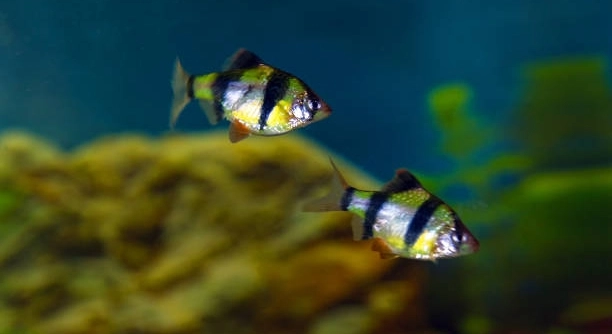
Barbs are popular freshwater fish known for their lively behavior and vibrant colors. Keeping their tank clean and well-maintained is essential for their health and happiness. Simple daily habits can make a big difference in tank care.
Maintaining a barb tank involves regular water changes, monitoring water quality, cleaning the substrate, and checking equipment to create a stable and healthy environment. Consistent care prevents disease and promotes the well-being of the fish.
Developing easy maintenance habits will keep your barbs thriving and your aquarium looking great for years to come.
Regular Water Changes
Changing the water in your barb tank regularly is one of the most important habits you can develop. Doing a partial water change weekly helps remove toxins and waste that build up over time. This keeps the water clean and safe for your fish. When changing water, always use a water conditioner to remove harmful chemicals like chlorine. Avoid changing too much water at once, as sudden changes can stress your barbs. Using a siphon or gravel vacuum can make cleaning easier while also removing debris from the tank bottom. Clean water encourages healthy fish and reduces the chance of algae growth. Keep an eye on water temperature and match it when adding new water to prevent shocks. Consistency is key to keeping the tank stable and your barbs comfortable.
Regular water changes protect your barbs from illness and keep the environment balanced and healthy.
By sticking to a regular water change schedule, you help maintain clear water and better oxygen levels. This habit supports your barbs’ immune systems and overall vitality. Regular cleaning also prevents harmful bacteria and algae buildup, which can cause health problems. Using the right tools and water treatments ensures changes are smooth and safe. A well-maintained water cycle encourages your barbs to be more active and display brighter colors. This simple step goes a long way in supporting a thriving aquarium.
Monitor Water Parameters Frequently
Testing water parameters often is vital for a healthy barb tank. Consistently check pH, ammonia, nitrite, and nitrate levels using reliable test kits.
Water quality greatly influences the health and behavior of barbs. Ammonia and nitrite should always be at zero, while nitrates need to stay low through regular water changes. pH levels between 6.5 and 7.5 are ideal for most barb species. Sudden shifts in these values can stress fish, making them more vulnerable to diseases. Keeping a log of test results helps you spot trends and react quickly if problems arise. Temperature should remain stable, typically between 72-79°F (22-26°C). Adjust equipment like heaters and filters as needed to maintain these conditions. Early detection of water issues prevents serious tank problems and keeps your fish healthy over time. Consistent monitoring is a simple step with big benefits for your barbs.
Clean the Filter Regularly
Cleaning your filter keeps water clear and healthy. Remove debris and rinse filter media in tank water every few weeks. Avoid using tap water to protect beneficial bacteria.
The filter plays a crucial role in breaking down harmful waste in the tank. Over time, debris and buildup can clog the filter, reducing its effectiveness. Regular cleaning ensures proper water flow and prevents harmful chemicals from accumulating. Use water taken from the tank itself to gently rinse filter parts, preserving helpful bacteria that keep the tank balanced. If the filter media looks worn out, replace it carefully without removing all bacteria at once. Maintaining a clean filter supports stable water conditions and healthier barbs. This habit is simple but essential for long-term tank success.
A clean, well-maintained filter helps reduce odors and keeps the aquarium environment comfortable for your barbs. It also lowers the chance of water quality problems developing between water changes.
Feed Barbs Properly
Feeding barbs the right amount prevents leftover food that pollutes the tank. Provide small portions once or twice daily.
Overfeeding is a common mistake that leads to water quality issues. Uneaten food breaks down and produces harmful waste, encouraging algae and bacteria growth. Feed your barbs only what they can finish in a few minutes. Variety in diet is important—include flakes, pellets, and occasional live or frozen foods to meet nutritional needs. Proper feeding habits keep fish healthy and active without stressing the tank’s ecosystem. Adjust feeding amounts based on the number and size of your barbs. Watching how quickly they eat helps you avoid excess and maintain a clean tank environment.
Remove Algae Regularly
Algae growth is normal but should be controlled. Remove visible algae with an algae scraper or sponge to keep the tank clean.
Regular algae removal prevents it from taking over the tank. Excess algae can reduce oxygen and block light, affecting your barbs’ health. Keeping algae in check improves the tank’s appearance and water quality.
Check Equipment Often
Inspect heaters, filters, and lights regularly to ensure they work properly. Faulty equipment can harm water quality and fish health.
Maintain Tank Plants
Healthy plants improve water quality by absorbing nitrates and providing shelter. Trim dead leaves and remove debris regularly to support growth and tank cleanliness.
How often should I change the water in my barb tank?
Water changes should be done weekly, replacing about 20-30% of the tank’s volume each time. This routine helps remove waste, excess nutrients, and harmful chemicals that build up between changes. Avoid changing too much water at once to prevent stressing your fish.
What is the best way to clean the filter without harming beneficial bacteria?
Rinse filter media gently in water taken from the tank during water changes. Avoid using tap water or harsh cleaners, as chlorine and other chemicals can kill helpful bacteria. If the media looks too dirty or worn, replace only part of it at a time to keep bacteria populations stable.
How can I tell if I am overfeeding my barbs?
If you notice leftover food sinking to the bottom or cloudy water, you may be feeding too much. Feed only what the fish can eat in 2-3 minutes. Adjust portions based on how fast the food disappears. Overfeeding can lead to water quality problems and unhealthy fish.
What water parameters should I monitor regularly?
Keep a close eye on ammonia, nitrite, nitrate, and pH levels. Ammonia and nitrite should always be zero, while nitrate should stay below 20-40 ppm. pH between 6.5 and 7.5 is usually best for barbs. Test water weekly and after any major tank changes.
How do I control algae growth in my tank?
Algae growth can be managed by limiting excess nutrients through proper feeding and regular water changes. Remove visible algae manually with a scraper or sponge. Keeping the tank clean and not overexposing it to light also helps prevent algae blooms.
Is it necessary to trim live plants in the tank?
Yes, trimming dead or overgrown leaves keeps plants healthy and prevents decay that can pollute the water. Healthy plants improve water quality by absorbing nitrates and provide hiding spots for your barbs.
What should I do if my barbs show signs of illness?
Isolate sick fish if possible to avoid spreading disease. Check water quality and correct any issues immediately. Common problems like fin rot or ich often require specific treatments. Consult reliable sources or a vet for the right medication and dosage.
Can I mix barbs with other fish species?
Barbs can be semi-aggressive, so choose tank mates carefully. Avoid slow-moving or long-finned fish that may be nipped. Compatible species include fast swimmers and other semi-aggressive fish. Always monitor interactions closely.
How important is tank temperature for barbs?
Maintaining a stable temperature between 72-79°F (22-26°C) is important for barb health. Sudden temperature swings can stress fish, weakening their immune systems. Use a reliable heater and thermometer to keep conditions steady.
How often should I clean the substrate?
Cleaning the substrate with a siphon during water changes removes uneaten food and waste. This should be done weekly or biweekly depending on tank size and fish load. Avoid disturbing it too much to protect beneficial bacteria living there.
Taking care of a barb tank involves a few simple habits that make a big difference over time. Keeping the water clean through regular changes and monitoring water quality helps create a safe space for your fish. Clean filters and controlled feeding prevent problems before they start, making it easier to maintain a healthy environment. These daily or weekly tasks might seem small, but they work together to support the well-being of your barbs and keep your tank looking its best.
Consistency is one of the most important parts of successful tank maintenance. Barbs are sensitive to sudden changes in their environment, so keeping water parameters stable is key. Regularly checking pH, ammonia, and nitrate levels lets you catch potential issues early. Removing algae and trimming plants helps keep the tank balanced and attractive, while making sure equipment runs smoothly ensures your fish have the right temperature and clean water. By developing these habits, you reduce stress on your fish and improve their chances of staying healthy for years.
In the end, maintaining a barb tank is about patience and care. It doesn’t require complicated steps, just attention to detail and routine upkeep. Watching your barbs thrive in a clean, well-maintained aquarium is rewarding. Following these easy habits makes the task manageable and enjoyable, giving you confidence that you’re doing the best for your fish. Taking these small steps will help ensure a vibrant, happy tank for both you and your barbs to enjoy.

Hello,
If you enjoy the content that we create, please consider saying a "Thank You!" by leaving a tip.
Every little bit helps us continue crafting quality advice that supports the health, happiness, and well-being of pets around the world, for pets of all shapes, sizes, and species.
We really appreciate the kindness and support that you show us!