
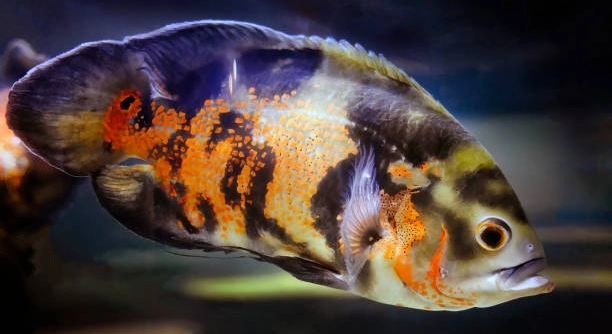
Creating a comfortable home for convict cichlids requires thoughtful planning and attention to their natural behavior. These fish thrive in environments that balance open swimming areas with hiding spots, allowing them to feel secure and confident.
Seven easy tank layouts can significantly enhance convict cichlids’ well-being. Providing a combination of rocks, caves, and sandy areas supports territorial behavior, reduces stress, and encourages natural activity. Each layout ensures sufficient space while mimicking their natural habitats effectively.
Exploring these layouts will help you design a tank that supports healthy, active, and content convict cichlids. Simple changes can make a noticeable difference in their daily behavior.
Rock and Cave Haven
Convict cichlids feel safest when they have secure hiding spots. Arranging rocks and caves provides shelter for resting and breeding. I like to create small clusters of stones with openings that are easy for fish to swim through but hard for larger fish to disturb. Sand or fine gravel at the bottom keeps the tank comfortable and natural. Plants can be added around these areas but should not block entrances. This layout mimics shallow rivers where cichlids naturally live. Watching them explore and stake out territories in these nooks is satisfying. It’s important to leave enough open space for swimming, as convict cichlids are active and aggressive if they feel confined. Rock formations should be stable to prevent collapses. Adding caves of different sizes allows multiple fish to coexist without constant conflict. I’ve noticed that even subtle changes in rock placement can shift how the fish interact with each other.
This layout balances hiding spaces with swimming room, promoting both comfort and activity in your tank naturally.
Proper arrangement of rocks and caves can reduce stress significantly, giving cichlids confidence to explore and establish territories. This setup encourages natural behaviors while maintaining visual appeal in the aquarium.
Sandy Bottom Open Spaces
Open areas with sand encourage swimming and foraging. I like leaving a large center space for them to patrol while keeping edges for shelter.
Convict cichlids thrive in tanks that have broad sandy areas paired with scattered decorations. Sand allows them to dig and interact with their environment, simulating natural behaviors. Combining this with occasional rocks or small plants near the edges creates zones of safety. I noticed that fish tend to patrol open areas more confidently when hiding spots are close by. Open swimming space reduces fights and allows for exercise, which supports overall health. Maintaining a clean sandy bottom is crucial, as debris can accumulate and affect water quality. Light-colored sand reflects light and highlights the fish’s vibrant stripes, making the tank visually appealing. Observing them digging or moving sand can be surprisingly entertaining, as it shows their instincts and personalities. Small decorations should be secure to prevent tipping during digging, which helps avoid stress and injuries. This layout requires regular maintenance to ensure both cleanliness and functionality.
Vertical Territory Layout
Using vertical space with tall rocks or driftwood helps convict cichlids claim individual territories. I place higher structures toward the back and sides, leaving the center clear for swimming.
Vertical structures allow fish to establish layered territories. Cichlids naturally patrol different levels in their environment. Taller decorations give shy or smaller fish safe areas above or below more dominant neighbors. I’ve seen them perch or hover around elevated rocks, giving them a sense of security. Adding plants on these structures can create partial cover without blocking the open swimming zone. Driftwood or stacked stones should be stable to prevent accidents. Fish often rearrange sand or small objects around these vertical elements, showing engagement with their surroundings. This layout reduces constant confrontations because each fish can find a preferred height zone. Even a single large driftwood piece can change the way they interact with the tank space.
The vertical layout also encourages natural climbing and exploring behavior. Convict cichlids benefit from multiple height zones for resting, hiding, and observing other fish. Stability and proper placement are key to success.
Split Habitat Design
Dividing the tank with rock walls or plant barriers creates separate zones for multiple cichlids. I use low partitions to maintain visibility while preventing frequent fights.
Split habitat layouts reduce aggression by giving each fish a clear territory. Using rock walls or artificial dividers allows dominant cichlids to control one area while others remain undisturbed. I place low barriers so fish can still see each other, which prevents extreme isolation and supports social interaction. Plants and small caves can reinforce these zones. This approach works well in medium to large tanks where territorial disputes are common. Observing how fish navigate these divided spaces reveals their personalities and hierarchy. Each fish quickly learns its boundaries, lowering stress. Sand or fine gravel helps mark these zones, encouraging natural digging behavior. Regular adjustments may be necessary as fish grow or change in dominance.
Fish respond positively to split layouts, as boundaries help manage conflicts while preserving open swimming paths. Proper design ensures both safety and stimulation.
Minimalist Layout
A simple tank with few decorations allows convict cichlids to swim freely and establish clear territories. I leave open space in the center while placing a couple of rocks or small caves along the edges.
Minimal setups reduce stress and aggression. With fewer obstacles, fish can see each other clearly and avoid constant clashes. I’ve noticed that even a couple of hiding spots are enough for shy cichlids to feel secure. Open swimming areas encourage natural activity and exercise, keeping them healthy and alert. This layout is also easier to clean and maintain. Proper spacing of decorations ensures that dominant fish do not monopolize the tank, giving each fish a fair chance to claim territory.
Layered Substrate Layout
Using varied substrate heights with sand, gravel, and small pebbles adds depth and exploration opportunities. Convict cichlids enjoy digging and moving materials across levels. I create slopes and gentle terraces that allow them to interact with different textures.
Plant-Focused Layout
Dense planting along the edges creates natural hiding spots and soft boundaries. I use hardy plants that withstand digging and provide shade.
FAQ
How many convict cichlids can I keep in one tank?
Tank size and layout determine the number of cichlids you can keep. I usually recommend one fish per 10 gallons as a starting point. Providing enough hiding spots and visual barriers helps reduce aggression when multiple fish share the same tank. Overcrowding often leads to constant fighting.
What type of substrate is best for convict cichlids?
I prefer sand or fine gravel because convict cichlids like to dig. Smooth substrates prevent injuries and allow natural behavior. Mixing small pebbles or layered substrates adds texture and creates shallow slopes that make digging more interesting. Avoid sharp or rough stones that can harm their delicate fins.
Do convict cichlids need live plants?
Live plants are optional but beneficial. Hardy plants like java fern or anubias can survive digging and provide natural hiding spots. I’ve noticed cichlids enjoy resting near roots and leaves. Plants also help with water quality by absorbing excess nutrients, but decorations alone can also create sufficient shelter.
How often should I rearrange the tank?
Frequent rearrangements can stress convict cichlids. I usually adjust layouts only when adding new fish or decorations. Minor shifts in rocks or caves can help prevent dominant fish from monopolizing territory. Observing their reactions during changes ensures that the tank remains comfortable for all inhabitants.
Can I mix convict cichlids with other fish?
Mixing is possible but requires caution. I keep them with similarly sized, robust species to prevent harassment. Avoid small, delicate fish that may become targets. Providing multiple hiding spots and open swimming areas reduces conflicts and allows peaceful coexistence.
How do I prevent aggression among convict cichlids?
Territorial disputes are natural. I use rock clusters, caves, and plants to create visual barriers and multiple zones. This encourages natural boundaries and reduces direct confrontations. Monitoring behavior and separating particularly aggressive individuals is sometimes necessary to maintain harmony.
Do convict cichlids breed easily in home tanks?
Yes, they breed readily when comfortable. I provide caves or small enclosed spaces where they can lay eggs. Keeping the water clean and stable encourages successful spawning. Observing their interactions around the chosen breeding site reveals their instincts and bonding behavior.
What is the ideal water temperature for convict cichlids?
I maintain temperatures between 74°F and 80°F. This range supports activity, digestion, and overall health. Slight fluctuations are acceptable, but sudden changes can stress fish. Using a reliable heater and thermometer helps maintain stable conditions.
How often should I clean the tank?
Regular maintenance is important. I perform partial water changes weekly, removing debris and cleaning substrate. Decorations and rocks may be gently rinsed when necessary. Consistent cleaning supports water quality, reduces disease risk, and keeps fish active and healthy.
Do convict cichlids need supplemental hiding spaces during aggressive phases?
Yes, extra caves or ornaments help reduce stress when aggression increases. I provide temporary hiding spots during breeding or after introducing new fish. These additions allow subordinate fish to retreat safely without completely isolating them, supporting a balanced tank environment.
Can I use artificial decorations instead of natural rocks and caves?
Artificial decorations work as long as they are safe, smooth, and stable. I use resin caves or ceramic structures to mimic natural shelters. They are easy to clean and can be arranged to create zones for hiding, swimming, and territorial boundaries, maintaining both function and aesthetics.
How do I encourage natural digging and exploring behavior?
Layered substrates and loose sand promote digging. I scatter small pebbles or shells to encourage investigation. I’ve noticed that fish will rearrange these items, which helps them feel engaged and reduces boredom. Avoid overly compacted substrate that limits movement and digging activity.
Should I feed convict cichlids differently depending on tank layout?
Feeding remains consistent, but layout can influence how food is distributed. In tanks with open swimming areas, flakes or pellets are easily accessed. In heavily planted or cave-rich layouts, sinking pellets or spreading food across zones ensures all fish receive nutrition. Observing feeding patterns helps adjust placement.
How do I monitor stress levels in convict cichlids?
Signs include hiding excessively, aggression, or loss of color. I pay attention to changes in behavior after rearrangements, new fish introductions, or water parameter shifts. Providing extra hiding spots and stable conditions often alleviates stress. Regular observation is key to maintaining a healthy, calm tank.
Is it necessary to quarantine new fish before adding them?
Quarantining prevents disease from spreading. I keep new fish separate for at least two weeks, monitoring for signs of illness. Healthy additions minimize disruptions in established social hierarchies and protect the existing cichlids from stress or infection.
Can convict cichlids live long in a well-maintained tank?
Yes, with proper care they can live 8 to 10 years or more. I focus on stable water conditions, a balanced diet, and sufficient space to reduce aggression. A well-designed layout promotes natural behaviors and contributes to longevity and overall well-being.
What water parameters are ideal besides temperature?
I maintain a pH between 6.5 and 8.0 and moderate hardness. Ammonia and nitrite should be zero, with nitrates kept low. Regular testing ensures conditions remain within safe ranges, preventing stress and supporting healthy growth, activity, and reproduction.
How important is lighting for convict cichlids?
Lighting is mostly functional. I use moderate light to mimic daylight cycles, which helps regulate activity and feeding. Too bright lighting may stress fish in open tanks, while dim lighting can enhance color and reduce tension in densely decorated setups. Controlled lighting also supports plant growth.
Can I use ornaments that block swimming paths?
Obstructions should be minimal in open swimming areas. I place decorations along edges or corners, leaving central paths clear. Blocking major routes increases stress and encourages territorial fights, while careful placement maintains exploration opportunities and safe zones for less dominant fish.
Do convict cichlids require specific water flow?
Moderate flow is sufficient. I avoid strong currents that can tire the fish, while gentle circulation helps oxygenation and waste removal. I’ve noticed they enjoy mild currents around rocks or caves, which adds a natural touch without interfering with territory boundaries.
How do I handle breeding pairs in a community tank?
I provide secluded caves or dens for pairs to prevent constant harassment from other fish. During spawning, I monitor interactions to ensure eggs and fry are protected. Observing their parenting behavior is fascinating, and having safe spaces reduces stress and aggression toward other tank inhabitants.
Are there health risks tied to tank layout?
Yes, poorly arranged decorations or overcrowding can cause injuries, stress, or aggressive behavior. I make sure rocks are stable, edges are smooth, and hiding spots are sufficient. A thoughtful layout reduces risks and encourages healthy activity, allowing convict cichlids to thrive.
What maintenance practices support all tank layouts?
Regular water changes, substrate cleaning, and equipment checks keep the tank stable. I also monitor fish behavior, adjust decorations if conflicts arise, and prune plants when necessary. Consistent attention ensures the tank remains safe, attractive, and functional for convict cichlids, regardless of layout type.
How do I know when to rearrange or expand the tank?
I rearrange when fish show repeated territorial stress or when new additions arrive. Expanding the tank is needed if growth or population exceeds comfort. Observing interactions and providing additional hiding spaces prevents long-term aggression and promotes a balanced, healthy environment.
Can decorations affect fish color or activity?
Yes, bright colors or reflective surfaces may stress fish, while natural tones and textures encourage normal behavior. I choose muted rocks, sand, and wood to create a calming environment that supports natural swimming, digging, and territorial activity, enhancing both appearance and well-being.
How important is observation for layout success?
Observation is critical. Watching how convict cichlids interact with spaces helps identify conflicts, preferred hiding spots, and favored swimming areas. I often adjust rock placement or add small caves based on behavior, ensuring a layout that meets their natural instincts and supports a peaceful community.
Can small adjustments improve an existing layout?
Even minor changes, like moving a rock or adding a plant, can significantly impact fish behavior. I’ve noticed that fish explore more, fight less, and establish territories more confidently after small tweaks, demonstrating how responsive convict cichlids are to their environment.
Is lighting schedule important for layouts with plants?
Yes, consistent light cycles support plant growth and maintain fish activity. I use timers to provide 8–10 hours of light daily. This balance ensures plants thrive without overgrowth while helping fish follow natural rhythms for feeding, swimming, and resting behaviors.
What are signs that a tank layout is successful?
Active swimming, stable social hierarchy, visible color, and regular foraging indicate a well-planned layout. I look for minimal aggression, fish using multiple zones, and engagement with decorations. When all these behaviors are present, it’s clear the layout supports comfort and natural instincts.
How often should I reassess my tank layout?
I reassess whenever fish behavior changes, new additions arrive, or growth alters territory dynamics. Regular observation ensures the environment continues to meet their needs. Small adjustments prevent long-term stress and keep the tank functional, safe, and stimulating for convict cichlids.
Can I combine multiple layout types?
Yes, combining rock clusters, vertical elements, and open sandy areas creates a dynamic habitat. I mix hiding spots, open zones, and layered substrates to encourage exploration, reduce aggression, and provide both safety and swimming opportunities. This hybrid approach supports natural behaviors effectively.
Do I need extra decorations for juvenile fish?
Juveniles benefit from additional hiding spots to avoid older, dominant fish. I place small caves and plants along edges, giving them safe zones. As they grow, the layout can be adjusted to maintain balance, ensuring all age groups coexist without excessive conflict.
Is it better to have uniform or varied decorations?
Varied decorations work best. I mix rocks, caves, wood, and plants to provide multiple textures and territories. Uniform setups may lead to repeated conflicts over identical spots. Variety keeps the environment engaging, supports natural behaviors, and reduces dominance issues among convict cichlids.
How do I maintain water quality with complex layouts?
Complex layouts require careful cleaning. I vacuum substrate, rinse decorations, and perform regular water changes to prevent waste buildup. I also monitor filtration and circulation. Maintaining water quality ensures all fish remain healthy, active, and stress-free despite intricate structures.
Can substrate color affect behavior?
Yes, lighter sand highlights color and encourages activity, while darker substrates may reduce stress in shy individuals. I select substrate that balances aesthetics with comfort, observing how fish respond to changes in color and texture to ensure they feel secure and active.
Are there safety tips for stacking rocks or driftwood?
Stability is crucial. I secure stacks firmly to avoid collapse. I avoid overhanging pieces that could injure fish and check placement after water changes or cleaning. Proper anchoring protects convict cichlids and maintains the integrity of territorial zones, reducing stress and accidents.
Do all convict cichlids use caves and hiding spots equally?
Not always. Dominant fish claim preferred spots, while shy individuals use smaller or less obvious areas. I observe which fish prefer certain hiding places and may adjust decorations to ensure fair access, supporting peaceful coexistence and balanced territorial distribution.
How do I encourage less aggressive fish to explore?
Providing scattered hiding spots and open paths helps shy fish venture out. I avoid overcrowding areas and place decorations strategically. This encourages exploration, allows safe movement, and reduces the risk of dominant fish monopolizing territory, promoting healthier activity for all.
Can tank layout influence breeding success?
Yes, appropriate hiding spots, caves, and territory zones encourage pairs to spawn. I provide secluded areas for egg-laying and fry protection. A well-structured environment reduces stress, prevents frequent attacks, and increases chances of successful breeding. Proper layout supports natural reproductive behavior efficiently.
How can I make small tanks feel spacious?
Using vertical elements, open central areas, and layered substrates creates perceived depth. I place tall rocks or driftwood toward the back and sides while keeping the center clear. This arrangement allows swimming space, reduces aggression, and enhances visual appeal, making small tanks feel more comfortable.
Are there specific materials to avoid in decorations?
Yes, avoid sharp rocks, untreated wood, or toxic plastics. I use aquarium-safe stones, resin caves, and driftwood prepared for tanks. Unsafe materials can injure fish, leach chemicals, and negatively affect water quality, leading to stress or illness. Proper material selection is essential for a healthy layout.
Can I rotate hiding spots periodically?
Occasional rotation prevents territorial stagnation. I move rocks or plants slightly every few weeks to encourage exploration. Fish adapt quickly, reducing boredom and helping shy individuals claim temporary zones. Rotations must be minor to avoid excessive stress.
Do convict cichlids need deep water areas?
Moderate depth is sufficient. I ensure water is deep enough for swimming but shallow enough for territorial observation. Deep zones allow vertical movement and resting while supporting natural behaviors, without creating areas that are difficult for smaller or less dominant fish to access.
How do I choose which layout type fits my tank?
Tank size, fish number, and personality guide layout choice. I consider aggression levels, swimming activity, and natural digging behavior. Smaller tanks benefit from minimalist setups, while larger tanks can include hybrid layouts. Observation ensures the environment suits the specific group of convict cichlids.
Can I combine natural and artificial elements?
Yes, combining rocks, wood, and resin caves works well. I mix textures to create interest and multiple zones. This approach maintains safety, supports hiding, and provides variety for digging, swimming, and territorial behavior, ensuring a balanced and engaging environment for all fish.
How do I prevent dominant fish from monopolizing caves?
Providing multiple caves of varied sizes prevents monopolization. I place extra hiding spots along edges and corners. Shy or subordinate fish can retreat without being blocked. This arrangement reduces aggression, allows fair access, and supports healthy interactions in the tank.
Are there special considerations for tall tanks?
Vertical space can be used for climbing and layered territories. I place driftwood and tall rocks strategically to allow multiple levels. This encourages exploration, gives shy fish high zones, and reduces direct confrontations while making the tank visually dynamic and functional.
Do convict cichlids prefer clustered or spaced-out decorations?
Both have benefits. Clustered rocks and caves provide concentrated hiding, while spaced decorations encourage exploration and open swimming. I often combine approaches, placing clusters along edges and leaving central swimming areas open. This balance supports comfort, activity, and natural territorial behavior.
How often should I monitor fish behavior?
Daily observation is best. I watch for aggression, hiding patterns, and interactions with decorations. Early detection of stress or disputes allows timely adjustments. Consistent monitoring ensures the layout continues to meet their needs and keeps all fish healthy and active.
Can small tanks support multiple layout types?
Yes, if carefully planned. I combine a couple of hiding spots with open swimming areas and vertical elements without overcrowding. Thoughtful placement maximizes utility, supports natural behavior, and prevents territorial stress, even in limited space.
Does water clarity affect layout effectiveness?
Clear water enhances visibility and reduces stress. I maintain proper filtration and regular water changes. Fish navigate decorations more confidently, and hiding spots remain effective when visibility is good. Cloudy water can increase aggression and reduce comfort, making layout less functional.
How do I integrate new fish into an established layout?
Introduce them slowly, adding extra hiding spots temporarily. I monitor interactions to prevent constant harassment. Gradual acclimation and minor layout adjustments help new fish find territory while maintaining peace among established residents.
Are there signs a layout needs major changes?
Persistent fighting, excessive hiding, or uneven territory use indicates a layout may need adjustment. I reassess decorations, hiding spots, and swimming areas to create balance. Major changes may be necessary to restore comfort and reduce stress.
Can I encourage exploration without causing stress?
Yes, by gradually adding new objects or rearranging small sections. I make minor changes over time, giving fish a chance to adjust. This stimulates activity while preserving comfort, keeping them engaged without triggering aggression or anxiety.
Is it better to plan layout before adding fish?
Absolutely. I arrange hiding spots, open zones, and vertical elements before introducing fish. This reduces early conflicts, helps establish territories quickly, and ensures the tank supports natural behaviors from the start. Proper planning simplifies maintenance and supports long-term well-being.
Can I reuse decorations safely in a new tank?
Yes, if cleaned thoroughly. I rinse rocks, driftwood, and artificial caves to remove debris and potential pathogens. Reused decorations retain their function for hiding and territory while maintaining a familiar environment for new fish. Proper cleaning prevents health risks.
Do convict cichlids prefer bright or muted lighting for exploration?
Moderate, muted lighting encourages activity without stress. I avoid overly bright conditions in open tanks, which can make fish retreat. Balanced lighting highlights colors, supports plant growth, and allows safe exploration of decorations and swimming areas.
How do I balance hiding spots and swimming space?
I place hiding spots along edges and corners, leaving central areas open for swimming. This ensures territorial boundaries without restricting movement. Convict cichlids need both security and room to patrol their environment comfortably, maintaining health and reducing conflict.
Can I combine multiple substrate types in one tank?
Yes, layered substrates add depth and interest. I use sand in open zones and gravel near edges or caves. This supports digging, territorial boundaries, and natural exploration, while providing visual contrast that makes the tank more dynamic and functional.
How important is observation after adding new decorations?
Critical. I watch fish reactions for stress, aggression, or neglect of certain areas. Adjusting placement based on behavior ensures decorations enhance comfort and encourage natural activity, rather than creating conflict or hiding spot monopolization.
Are there tricks to reduce fighting in smaller tanks?
Multiple hiding spots, visual barriers, and open swimming areas help. I space decorations strategically and monitor dominant fish. Even small tanks can support multiple convict cichlids if boundaries and retreats are available, reducing stress and promoting a balanced environment.
Can I use floating decorations safely?
Yes, floating plants or ornaments can provide shade and partial cover. I ensure they do not block swimming paths completely. This adds vertical interest, creates soft territories, and encourages exploration without restricting movement or increasing aggression.
How do I choose cave sizes for different fish?
Match caves to fish size, allowing comfortable entry but not excessive space for domination. I provide multiple sizes to accommodate juveniles, adults, and shy individuals. Proper sizing reduces aggression, supports breeding, and ensures all fish feel secure.
Do convict cichlids benefit from hiding spots in open areas?
Yes, small scattered caves or plants in open zones provide temporary retreats. I place them strategically to give subordinate fish quick access to safety while maintaining visibility and
Final Thoughts
Creating a tank that convict cichlids love is all about balancing open swimming areas with secure hiding spots. These fish are naturally territorial, so providing spaces where they can rest, explore, and claim their own zones reduces stress and aggression. Simple adjustments like adding rocks, caves, driftwood, or plants can completely change how they interact with the tank. I’ve noticed that even minor changes in decoration placement often shift their behavior in positive ways. Open areas allow them to patrol and exercise, while enclosed spots give them a sense of security. Over time, observing how they use different parts of the tank helps in refining layouts to match their natural instincts.
A well-thought-out layout also encourages natural behaviors, such as digging, exploring, and establishing territories. Convict cichlids are active fish that benefit from an environment that challenges and engages them. Layered substrates, gentle slopes, and varied textures give them opportunities to dig and rearrange their surroundings, which is satisfying for the fish and enjoyable to watch. Vertical spaces, like tall rocks or driftwood, create multiple layers for resting and perching. Providing multiple caves of different sizes ensures all fish, from shy individuals to dominant ones, have access to shelter. Plants, either live or artificial, offer partial cover and enhance the sense of security. By combining these elements thoughtfully, the tank becomes more than just a display—it becomes a functional habitat that supports their physical and mental well-being.
Maintenance and observation remain key even after setting up the tank. Regular water changes, substrate cleaning, and checking decorations for stability are essential for long-term success. I’ve found that consistent monitoring allows early detection of aggression, stress, or illness. Adjustments, like adding or moving hiding spots, can prevent disputes and improve comfort. Over time, the fish establish clear territories, explore freely, and display their natural colors and behaviors. A successful layout balances aesthetics with practicality, providing an environment that is safe, stimulating, and easy to manage. By paying attention to both the physical setup and the behavior of the cichlids, it is possible to create a tank that meets their needs while remaining visually appealing and enjoyable to care for.

Hello,
If you enjoy the content that we create, please consider saying a "Thank You!" by leaving a tip.
Every little bit helps us continue crafting quality advice that supports the health, happiness, and well-being of pets around the world, for pets of all shapes, sizes, and species.
We really appreciate the kindness and support that you show us!