
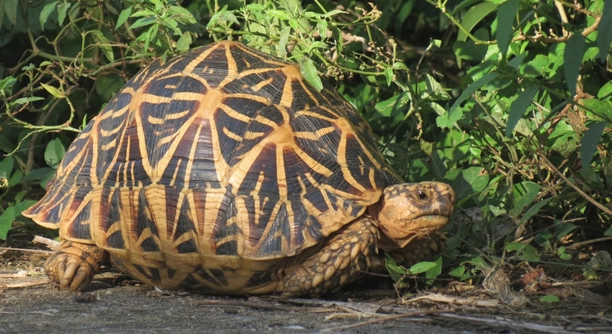
Indian Star Tortoises are beautiful and fascinating creatures, but feeding them properly can be tricky. Overfeeding them can lead to health issues. In this article, we’ll look at easy steps to ensure they stay healthy and happy.
The best way to prevent overfeeding in Indian Star Tortoises is by establishing a balanced feeding routine. Offering them a variety of foods like vegetables and grasses, while limiting high-protein items, helps maintain their health and prevents obesity.
By following these easy tips, you can create a healthier, more balanced feeding plan for your tortoise. This will also help improve its overall well-being.
Create a Balanced Feeding Schedule
It’s easy to overfeed Indian Star Tortoises, especially since they enjoy eating a variety of foods. However, setting up a feeding schedule can help avoid this. Make sure to feed them at consistent times each day and avoid offering food too frequently. Overfeeding can lead to obesity, which can affect their mobility and overall health. The ideal feeding routine should consist of fresh vegetables, leafy greens, and some fruits. Protein-rich foods should be given sparingly. It’s important to offer small amounts of food each time to avoid excess. This helps your tortoise maintain a healthy weight and keeps its digestive system in check.
A proper feeding schedule also promotes good habits, making it easier to monitor their eating patterns. By offering the right portion sizes, you’ll notice fewer health problems, such as shell deformities and respiratory issues.
Consistency in feeding will help your tortoise stay fit and active, ensuring its long-term well-being. Make it a part of their daily routine to prevent any overfeeding issues. It’s an essential practice for keeping them healthy and happy.
Watch the Food Portions Carefully
Portion control plays a crucial role in preventing overfeeding.
Being mindful of your tortoise’s food portions prevents excessive weight gain and the health risks that come with it. Too much food can overwhelm their digestive system, leading to long-term issues like kidney disease or heart strain.
Offer a Variety of Foods
Offering a variety of foods helps ensure your tortoise gets a balanced diet. Fresh leafy greens, such as dandelion greens or kale, should be staples in their diet. These foods provide essential vitamins and minerals. Variety also reduces the risk of them getting too used to one type of food, which could lead to nutritional imbalances.
You can also add small amounts of fruits like berries or melons for occasional treats. Make sure the fruits are not sugary or overly ripe. Over time, your tortoise will learn to enjoy a variety of foods, which ensures they get all the nutrients they need.
Providing a range of foods also keeps feeding time interesting for your tortoise. It stimulates their natural foraging behavior, making them more active and engaged. Just be cautious about the food types you introduce, ensuring they’re safe and beneficial. Variety is key in maintaining a well-rounded diet.
Monitor Weight Regularly
Regular weight checks are important for monitoring your tortoise’s health.
Weighing your tortoise at consistent intervals, such as once a month, helps keep track of any sudden weight changes. If they’re gaining weight too quickly, it’s a sign you might need to adjust their portions or food choices. Make sure to weigh them at the same time of day, preferably after a meal for consistency.
Tracking their weight also allows you to spot early signs of overfeeding, like a larger-than-normal body size or reduced movement. This helps in making necessary adjustments to their diet. Regular weigh-ins also give you peace of mind, knowing you’re keeping them on the right track.
Limit High-Protein Foods
High-protein foods, such as insects or commercial tortoise pellets, should only be given in small amounts. Too much protein can lead to shell deformities or kidney problems over time. Make sure these foods are given as treats or occasional additions to their diet, rather than as a daily staple.
If your tortoise seems to be eating too many high-protein foods, adjust their meals to include more leafy greens and grasses. This balance helps maintain a healthy diet while avoiding potential health issues related to overconsumption of protein.
Provide Fresh Water Daily
Always provide fresh water for your tortoise to drink. Dehydration can lead to a range of health problems, including digestive issues. Make sure to change their water daily to keep it clean and inviting. Tortoises will drink when they need it, so offering water at all times is essential.
FAQ
How much should I feed my Indian Star Tortoise?
The amount you feed your Indian Star Tortoise depends on its age, size, and activity level. As a general guideline, adults should be fed a variety of leafy greens and grasses every other day, while younger tortoises may need food daily. Offer food in small portions, and make sure they finish it within an hour. Overfeeding can lead to obesity and digestive problems, so always adjust portion sizes based on their activity level and weight.
Can I feed my tortoise fruit every day?
Fruit should be given sparingly. While it’s fine to offer small amounts of fruit as an occasional treat, it should not be a daily part of their diet. Fruit is high in sugar and can lead to weight gain or digestive issues if overfed. Stick to offering fruit once or twice a week, and always ensure it’s balanced with greens and grasses.
Is it safe to feed my tortoise vegetables from the supermarket?
Yes, you can feed your tortoise supermarket vegetables, but it’s important to choose fresh, pesticide-free options. Leafy greens like kale, collard greens, and dandelion leaves are great choices. Avoid vegetables that are high in oxalates, such as spinach, as they can interfere with calcium absorption. Always wash vegetables thoroughly to remove any harmful chemicals or pesticides before feeding them to your tortoise.
Can I feed my tortoise grass from my garden?
You can feed your tortoise grass from your garden, but only if you’re sure it’s free from pesticides, herbicides, or other chemicals. Avoid grass from areas that have been treated with any chemicals, as these can be toxic to your tortoise. Make sure the grass is fresh and not overly wilted or dry.
How can I tell if my tortoise is overweight?
An overweight tortoise will have difficulty moving and may seem sluggish. You can check their body condition by feeling around their shell and sides. If there’s excess fat, it will feel soft or puffy. A healthy tortoise should have a firm and smooth shell with a defined body shape. Regularly monitoring your tortoise’s weight and adjusting its diet will help avoid obesity.
How often should I weigh my tortoise?
Weighing your tortoise monthly is a good routine. This helps you keep track of any significant changes in weight, which could indicate overfeeding or underfeeding. If you notice that your tortoise is gaining weight too quickly, reduce portion sizes or adjust the types of food you’re offering.
What foods should I avoid feeding my tortoise?
Avoid feeding your tortoise processed foods, sugary fruits, and high-protein items like meat or dairy. You should also avoid iceberg lettuce, as it has little nutritional value. Toxic plants, such as those found in many gardens, should be kept away from your tortoise. Always double-check any food source before offering it.
Can I feed my tortoise flowers?
Yes, many tortoises enjoy eating flowers, but it’s essential to choose safe, non-toxic varieties. Flowers like hibiscus, dandelions, and marigolds are excellent choices. Always ensure the flowers are free of pesticides or chemicals, and only offer them in moderation. Too many flowers can upset their digestive system.
Do Indian Star Tortoises need calcium supplements?
Calcium is vital for the health of your tortoise, especially for shell growth and bone strength. If your tortoise isn’t getting enough calcium from its diet (such as from leafy greens or grasses), you can offer calcium supplements. Dusting their food with calcium powder once or twice a week is typically sufficient. Make sure the supplement includes vitamin D3, which helps with calcium absorption.
Can I feed my tortoise pellet food?
Commercial tortoise pellets can be used in moderation, but they shouldn’t be the main part of their diet. Pellets are often high in protein, which can cause health issues if overfed. Use pellets as a supplement, not a staple. Always make sure to offer fresh greens and grasses for a well-balanced diet.
Should I feed my tortoise at night?
It’s best to feed your tortoise during the day when they are most active. They are naturally diurnal, meaning they eat and roam around in daylight. Feeding them in the evening or at night may not give them enough time to digest their food properly before resting.
Can my tortoise live on just lettuce?
No, lettuce should not be the primary food for your tortoise. While it’s okay to offer leafy lettuce occasionally, it’s not nutritionally rich enough to be a staple food. Lettuce, especially iceberg lettuce, has very little nutritional value. Instead, focus on offering a variety of greens like collard, mustard, and dandelion leaves.
Why does my tortoise seem to eat less sometimes?
Changes in appetite can happen for several reasons, such as changes in the weather, stress, or health issues. If your tortoise eats less but continues to act normally, it’s likely just a natural change in their behavior. However, if they’re not eating at all or showing other signs of illness, it’s important to consult with a vet.
Can I feed my tortoise human food like bread or pasta?
No, you should never feed your tortoise human food like bread, pasta, or processed foods. These foods are not suitable for their digestive system and can lead to health issues. Stick to natural, plant-based foods like vegetables, grasses, and edible flowers to ensure they get the proper nutrition.
What do I do if my tortoise isn’t eating?
If your tortoise isn’t eating, try changing its diet or offering different types of greens. Sometimes, they may refuse food due to stress, environmental changes, or illness. Ensure they have a proper habitat with the right temperature, humidity, and lighting. If the issue persists for several days, consult a vet for advice.
Final Thoughts
Taking care of an Indian Star Tortoise requires attention to their diet and daily routine. By following simple steps like offering a balanced diet, providing proper portions, and monitoring their weight, you can ensure your tortoise remains healthy. A varied diet that includes leafy greens, grasses, and occasional fruits is key to maintaining their health and preventing issues like obesity. Avoid feeding them too much high-protein food or sugary fruits, as these can lead to long-term health problems. Regularly adjusting their food portions based on their size and activity level helps in keeping them in good shape.
Establishing a proper feeding schedule is also important. Consistency helps your tortoise maintain a balanced diet while avoiding overeating. It’s easy to get carried away when feeding them, especially since they are always eager to eat, but portion control is essential. Weighing your tortoise regularly allows you to track their health and adjust their meals if necessary. Keeping a close eye on their eating habits ensures that any changes in their diet are made before any health problems arise. Always make sure to provide fresh water every day to prevent dehydration, which can affect their overall health.
Finally, understanding the importance of a well-balanced diet and a controlled feeding routine will make a significant difference in the life of your tortoise. With the right care, they can live a long and healthy life. Avoiding overfeeding, offering a variety of foods, and sticking to proper portions will help you maintain their health in the long term. By following these simple steps, you can provide the best care for your Indian Star Tortoise, keeping them active and happy in their environment.

Hello,
If you enjoy the content that we create, please consider saying a "Thank You!" by leaving a tip.
Every little bit helps us continue crafting quality advice that supports the health, happiness, and well-being of pets around the world, for pets of all shapes, sizes, and species.
We really appreciate the kindness and support that you show us!