
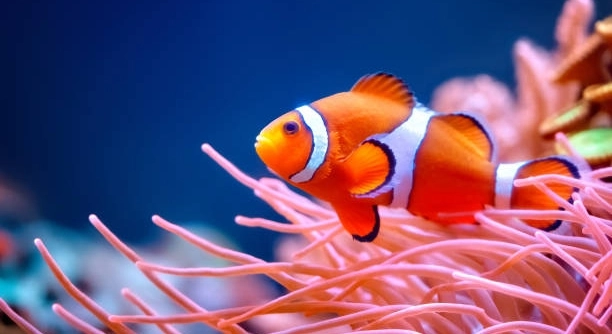
Happy clownfish are a joy to watch in any aquarium or reef setting. Their bright colors and lively movements often show that they are comfortable and healthy. Recognizing signs of happiness in clownfish helps owners provide better care and a supportive environment.
Happy clownfish exhibit clear signs such as vibrant coloration, active swimming, regular feeding behavior, and healthy interaction with their surroundings and host anemones. These indicators reflect good health and a stress-free environment essential for their well-being.
Knowing these signs can improve how you care for your clownfish and ensure they thrive in your care. The details that follow will help you better understand their behavior and needs.
Bright and Vibrant Colors
Healthy clownfish usually show bright, vivid colors. Their orange, white, and black patterns look sharp and clear. When clownfish lose their color or look dull, it often means they are stressed or unhealthy. A happy clownfish will have consistent coloring across its body, with no faded spots or blotches. These colors also help the fish blend in with their host anemones, which gives them protection. Watching for color changes is one of the easiest ways to check on your clownfish’s well-being. Keeping water quality stable and feeding them properly supports these bright colors. If you notice any dullness, it may be time to test the water or adjust their diet. Bright colors not only show health but also indicate that your clownfish feels safe in its environment.
Vibrant colors signal good health and comfort in clownfish, making it important to monitor their appearance regularly.
Color changes can happen quickly if conditions shift, so keeping a close eye on your fish helps catch problems early. A healthy clownfish often displays a steady swimming pattern with no signs of lethargy. If the colors fade or become patchy, it may suggest illness or stress from poor water conditions or aggressive tank mates. Feeding clownfish a varied diet with high-quality flakes, pellets, or frozen foods encourages their colors to stay bright. Proper lighting in the tank also plays a role, as it enhances the natural pigments in their skin. Taking care of these factors together helps maintain your clownfish’s vibrant look and overall happiness.
Active Swimming and Behavior
A happy clownfish swims actively and confidently in the tank. It explores its surroundings and interacts with other fish or its host anemone without hesitation.
Clownfish that move steadily and respond quickly to changes show signs of good health. They won’t stay hidden or still for long periods. Restlessness or sluggishness can indicate discomfort or illness. Watching how your clownfish swims daily can give you important clues. For example, darting movements and frequent visits to their anemone mean they feel secure and content. On the other hand, if a clownfish floats near the surface or hides constantly, it might be stressed. These fish also display curiosity by approaching the front of the tank when food is nearby. Encouraging this natural behavior with proper tank mates and a comfortable habitat will keep your clownfish active and happy for longer.
Healthy Appetite
Clownfish with a healthy appetite eagerly eat at feeding time. They respond quickly and show interest in food.
A strong appetite is a clear sign of well-being. Happy clownfish come to the surface or swim actively when food is offered. They eat steadily without hesitation, whether the food is flakes, pellets, or live options. Poor appetite can indicate stress, illness, or poor water quality, so keeping track of feeding behavior helps catch issues early. Offering a balanced diet with protein-rich foods supports their health and keeps their energy levels up. Regular feeding also encourages natural behaviors and keeps clownfish alert and lively in their environment.
Maintaining consistent feeding times helps your clownfish feel secure. Sudden changes in appetite should not be ignored, as they often signal discomfort or disease. Clownfish naturally enjoy small, frequent meals, so dividing their daily food into portions benefits their digestion and overall condition. Providing a variety of food types can stimulate their interest and improve nutrition. Always remove uneaten food to keep the tank clean and prevent water quality problems. Good feeding habits directly influence the happiness and longevity of your clownfish.
Interaction with Host Anemones
Clownfish that happily interact with their host anemones stay close and often retreat into their tentacles for protection.
This relationship is vital for their safety and comfort. Healthy clownfish will dart in and out of the anemone without fear, showing trust and familiarity. If a clownfish avoids its anemone or stays far away, it may feel stressed or unsafe. Regular interaction also helps keep the anemone clean and healthy, creating a balanced environment. Observing this behavior daily provides insight into how secure your clownfish feels. Ensuring the anemone is healthy and stable will encourage this natural bond and promote the clownfish’s happiness.
Regular Breathing Patterns
Clownfish that are happy breathe steadily and calmly. Their gill movements are smooth without rapid or heavy breathing.
Rapid or irregular breathing often signals stress or poor water conditions. Watching the breathing rate helps catch problems early. A calm clownfish feels comfortable and safe in its environment.
Clear Eyes and Fins
Healthy clownfish have clear, bright eyes and fins that are intact and free from tears or damage. Cloudy eyes or torn fins suggest illness or injury. Proper tank care and gentle handling keep these features in good condition.
Social Behavior with Tank Mates
Clownfish that show friendly and calm interactions with other fish are likely happy and well-adjusted. Aggressive or withdrawn behavior might indicate stress or territorial issues. Keeping a peaceful tank environment promotes better social behavior.
Consistent Color Patterns
A stable and consistent color pattern is a good sign of health in clownfish. Changes in color can indicate stress, poor diet, or illness, so maintaining consistency is important for their well-being.
How can I tell if my clownfish is stressed?
Stress in clownfish shows through changes in behavior and appearance. They may lose their bright colors, swim erratically, or hide for long periods. Rapid breathing and a loss of appetite are common signs. Also, if they avoid their host anemone or seem lethargic, stress is likely. Stress can come from poor water quality, aggressive tank mates, or sudden changes in the environment. Monitoring these signs regularly helps you take action quickly to improve their conditions.
What should I feed my clownfish to keep it happy?
A balanced diet keeps clownfish healthy and active. High-quality flake or pellet food designed for marine fish works well. Supplementing with frozen or live foods like brine shrimp and mysis shrimp adds variety and nutrition. Feeding small amounts two to three times daily matches their natural eating habits. Avoid overfeeding, as leftover food can harm water quality. Proper nutrition helps maintain their bright colors, energy, and appetite.
Why does my clownfish hide so much?
Clownfish hiding constantly may feel unsafe or stressed. This behavior can result from poor water conditions, aggressive tank mates, or an unstable environment. It may also indicate illness or discomfort. Providing hiding spots and a healthy host anemone helps them feel secure. Observing if they eat normally and swim actively when outside their hiding spot can help determine if the hiding is temporary or a sign of deeper problems.
Is it normal for clownfish to change colors?
Clownfish color changes can be normal during growth or breeding phases, but sudden fading or dullness often signals stress or poor health. Color loss can result from poor diet, inadequate lighting, or water quality issues. Consistent bright colors usually indicate good health. If you notice unusual color shifts, test the tank conditions and check for signs of illness to address problems early.
How often should I clean my clownfish tank?
Regular tank maintenance is vital for clownfish health. Partial water changes of 10-20% every one to two weeks help maintain water quality. Cleaning the tank walls and removing uneaten food prevents waste buildup. Avoid full tank cleanings too often, as they disrupt beneficial bacteria. Keeping water parameters stable supports happy, healthy clownfish and reduces stress-related behaviors.
Can clownfish live without an anemone?
Clownfish can survive without an anemone, especially in home aquariums. While anemones provide protection and a natural home, many clownfish adapt well to reef tanks without one. In the absence of anemones, providing plenty of hiding spots and a stable environment helps keep clownfish comfortable. Their happiness depends more on tank conditions and care than solely on the presence of an anemone.
What tank mates are best for clownfish?
Peaceful fish species that won’t stress or attack clownfish are ideal tank mates. Good choices include gobies, blennies, and certain damselfish. Avoid aggressive or much larger fish, which can intimidate clownfish or compete for space. A balanced, calm community helps clownfish show natural behaviors and stay happy. Monitor interactions regularly to prevent conflicts and ensure a peaceful tank.
How do I know if my clownfish is breeding?
Breeding clownfish often show changes in behavior such as increased territory guarding and cleaning of flat surfaces for egg-laying. The female may become larger and more dominant. After eggs are laid, parents guard them carefully. Observing these behaviors indicates your clownfish feel safe and secure in their environment, which is a positive sign of well-being. Providing good nutrition and stable conditions supports successful breeding.
Clownfish are fascinating creatures that bring life and color to any aquarium. Knowing how to spot signs of a happy clownfish helps ensure they live a healthy and comfortable life. Paying attention to their bright colors, active swimming, healthy appetite, and natural behaviors gives a clear picture of their well-being. When these signs are present, it means the clownfish feel safe and secure in their environment, which is important for their overall health.
Creating the right environment for clownfish involves more than just clean water. It includes providing a balanced diet, stable tank conditions, and a peaceful community of tank mates. Healthy clownfish often show clear eyes, intact fins, and good interaction with their host anemones or hiding spots. These details may seem small but add up to a happy fish. Consistent care and observation help prevent problems early, making sure your clownfish stay vibrant and active.
Understanding these signs of happiness also allows you to enjoy your clownfish more fully. Watching them interact naturally and thrive in their home is rewarding. When they feel secure, clownfish display behaviors that are interesting and enjoyable to observe. Keeping up with their needs creates a positive environment where they can live long, healthy lives. Simple steps and attention go a long way in supporting your clownfish’s happiness and well-being.

Hello,
If you enjoy the content that we create, please consider saying a "Thank You!" by leaving a tip.
Every little bit helps us continue crafting quality advice that supports the health, happiness, and well-being of pets around the world, for pets of all shapes, sizes, and species.
We really appreciate the kindness and support that you show us!