
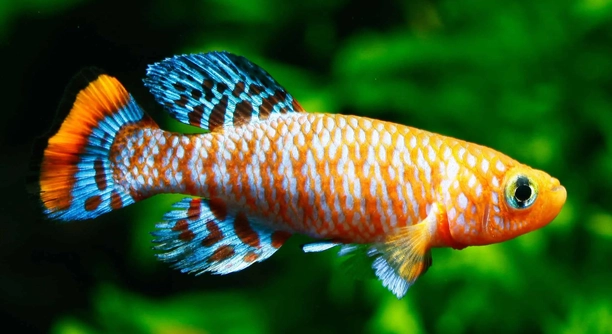
Killi fish are popular for their bright colors and small size, making them great for home aquariums. Choosing the right plants to pair with them can improve their environment and overall health. This article highlights easy plants suited for killi fish tanks.
Selecting plants that are low-maintenance and provide good hiding spots benefits killi fish well-being. Plants like Java moss, Anubias, and Cryptocoryne offer shelter, oxygen, and contribute to water quality, creating a balanced and comfortable habitat for these fish.
Knowing which plants thrive alongside killi fish can help create a beautiful and healthy aquarium setup. The following suggestions will make caring for your fish easier and more enjoyable.
Java Moss: A Natural Shelter for Killi Fish
Java moss is an excellent plant to include in a killi fish aquarium. It grows quickly and requires minimal care, making it ideal for beginners. This moss provides a dense cover where killi fish can hide and feel secure. Its fine texture also offers a great surface for beneficial bacteria to grow, which helps maintain water quality. Additionally, Java moss can trap tiny food particles, allowing the fish to forage naturally. It doesn’t need strong lighting or special substrate, which keeps the tank simple and easy to manage. Regular trimming keeps the moss healthy and prevents it from overtaking the aquarium. Many killi fish enjoy resting among the moss, as it mimics their natural environment. Overall, Java moss is a versatile and practical choice for creating a comfortable and balanced habitat.
This plant supports fish well by offering both shelter and improved water conditions.
Adding Java moss is a straightforward way to enhance your tank’s environment, promoting healthier and less stressed killi fish.
Anubias: Tough and Low Maintenance
Anubias plants are sturdy and grow well in various water conditions, making them suitable for killi fish tanks.
Anubias species have thick, broad leaves that offer good hiding places and resting spots. They grow slowly, so they don’t require frequent trimming, and their tough leaves are not easily damaged by fish activity. Anubias can be attached to rocks or driftwood, which means it doesn’t need to be planted in the substrate, giving flexibility in tank design. This plant tolerates low light levels and cooler temperatures, which match the natural environment of many killi fish species. Its ability to thrive without much care makes it popular among fishkeepers who want a simple but effective addition to their aquariums. The slow growth of Anubias also means it won’t overwhelm the tank or require heavy maintenance, helping to keep your setup neat and manageable. Its presence can improve oxygen levels and provide a peaceful hiding spot that reduces fish stress, contributing to a healthier aquarium environment.
Cryptocoryne: Easy to Grow and Adaptable
Cryptocoryne plants are hardy and adapt well to different water conditions, making them a reliable choice for killi fish tanks. They grow slowly but create a dense area for hiding.
These plants have broad leaves that vary in color, adding visual interest to the aquarium. Cryptocoryne prefers moderate lighting and benefits from nutrient-rich substrate but can also survive in less ideal conditions. Their slow growth means less frequent trimming, which is convenient for busy caretakers. The dense leaf arrangement provides excellent cover for shy killi fish, reducing their stress. Cryptocoryne also helps improve water quality by absorbing excess nutrients, which limits algae growth. Overall, this plant balances beauty and function, making it a smart addition to a killi fish habitat.
Maintaining Cryptocoryne is straightforward, requiring only occasional pruning to keep it healthy and attractive in the tank.
Hornwort: Fast-Growing and Functional
Hornwort grows quickly, providing plenty of hiding spaces for killi fish in a short time. It floats or anchors easily, adapting well to various tank setups.
This plant is effective at absorbing excess nutrients, which helps keep the aquarium clean and reduces algae problems. Hornwort’s feathery leaves create good cover, making shy fish feel safe. It does not require special lighting or substrate and thrives in a range of water temperatures, which fits the needs of most killi fish species. Because of its rapid growth, regular trimming is necessary to prevent it from overcrowding the tank. Despite this, Hornwort remains popular for its ability to improve water quality and support fish health. Its flexible placement options also allow tank owners to design their aquarium to suit both fish and plant needs, creating a balanced and natural environment.
Java Fern: Tough and Versatile
Java fern is a resilient plant that grows well in low light and attaches easily to rocks or driftwood. It requires little maintenance and provides great shelter for killi fish.
Its tough leaves resist damage from fish, making it a durable choice for active tanks.
Amazon Sword: Classic and Attractive
Amazon sword plants are popular for their large, broad leaves that create a natural hiding space for killi fish. They need moderate lighting and nutrient-rich substrate to thrive. These plants grow fairly quickly and add a lush, green backdrop to any aquarium. The broad leaves improve oxygen levels and offer resting places for the fish. Although they require more care than some other plants, the Amazon sword’s benefits in creating a comfortable environment for killi fish make it worthwhile. Proper care includes regular trimming and fertilization to keep the plant healthy and the tank balanced.
Water Wisteria: Quick-Growing Choice
Water wisteria grows fast and helps maintain water quality by absorbing excess nutrients. It offers good hiding spots and blends well in killi fish tanks.
FAQ
What are the best lighting conditions for plants paired with killi fish?
Most plants suitable for killi fish tanks do well under low to moderate lighting. Java moss, Anubias, and Java fern thrive without intense light, making it easier to maintain the tank. Strong lighting can sometimes encourage algae growth, which may require more frequent cleaning. Plants like Amazon sword and Cryptocoryne prefer moderate light to grow well but don’t need bright, direct light. Providing a consistent light cycle of about 8 to 10 hours daily helps keep plants healthy and supports the natural behavior of killi fish.
How often should I trim the plants in a killi fish tank?
Trimming frequency depends on the plant species and growth rate. Fast-growing plants like Hornwort and Water Wisteria may need trimming every two to three weeks to prevent overcrowding. Slower growers like Anubias, Java fern, and Cryptocoryne require less frequent pruning, maybe once every one to two months. Regular trimming helps maintain good water flow and prevents dead plant material from decaying, which could harm water quality. It also keeps the aquarium looking tidy and ensures fish have enough open swimming space.
Can killi fish eat aquarium plants?
Killi fish are mostly carnivorous and do not typically eat live plants. They might nibble occasionally, but this behavior is rare and usually does not harm healthy plants. The thick, tough leaves of Anubias and Java fern are especially resistant to any nibbling. Plants like Java moss provide hiding spots without being damaged by fish activity. Ensuring the fish have a balanced diet with enough protein reduces any chance they might chew on plants out of hunger.
Are these plants suitable for breeding killi fish?
Yes, many of these plants are excellent for breeding setups. Java moss is a favorite because it offers plenty of cover for eggs and fry, protecting them from adult fish. Dense plants like Cryptocoryne and Hornwort also provide shelter, making the environment safer for young fish. Breeding success improves when fish feel secure, so including these plants in the tank can encourage natural breeding behaviors. Healthy plants also improve water quality, which supports the development of eggs and fry.
What substrate works best with these plants?
Most plants mentioned grow well in nutrient-rich substrate, but some like Anubias and Java fern do not require substrate at all and can attach to rocks or wood. Cryptocoryne and Amazon sword benefit from a substrate that contains nutrients since they root deeply. Fine gravel or aquarium soil works well for these plants. It is important not to bury the rhizomes of Anubias and Java fern because this can cause them to rot. Using a combination of substrate and decorative elements can create an ideal environment for both plants and killi fish.
How do these plants affect water quality?
Plants like Java moss, Hornwort, and Water Wisteria absorb excess nutrients and waste, helping to control algae growth. Their presence increases oxygen levels through photosynthesis, which benefits fish health. A planted tank generally has better biological filtration since beneficial bacteria grow on plant surfaces, breaking down harmful substances. This creates a more stable environment and reduces the frequency of water changes needed. Healthy plants support balanced water chemistry, which is crucial for keeping killi fish happy and healthy.
Are any of these plants difficult to care for?
None of the plants listed are particularly difficult to care for. Most are chosen because they are low-maintenance and adaptable to common aquarium conditions. Amazon sword requires a bit more attention due to its nutrient and lighting needs, but it remains manageable with proper care. Regular trimming and monitoring water parameters are the main tasks. Beginners will find plants like Java moss, Anubias, and Java fern especially easy to maintain, making them good choices for those new to keeping killi fish.
Can these plants survive without CO2 injection?
Yes, all these plants can survive and grow well without CO2 injection. They are hardy species that do not require extra carbon dioxide to thrive, which makes them suitable for simple, low-tech aquarium setups. CO2 injection can speed up growth for some plants but is not necessary to keep them healthy. This makes caring for the tank less complicated, especially for people who prefer a natural, low-maintenance approach. Good lighting and regular fertilization are usually enough to support their growth.
Choosing the right plants for a killi fish aquarium can make a big difference in the health and happiness of the fish. The plants discussed in this article, like Java moss, Anubias, and Cryptocoryne, are all good options because they are easy to care for and provide important benefits. They offer shelter, improve water quality, and create a more natural environment. When selecting plants, it is important to think about how much time you want to spend maintaining the tank. Some plants grow slowly and need less trimming, while others grow faster and will require more attention. Picking plants that match your schedule helps keep the aquarium balanced and enjoyable.
Each plant has unique features that make it suitable for different tank setups. For example, Java moss grows quickly and creates dense hiding spots for shy killi fish. Anubias is very tough and can attach to rocks or wood without needing special substrate. Cryptocoryne adapts well to various conditions and adds nice color and texture to the tank. Hornwort grows fast and helps absorb excess nutrients, while Amazon sword adds a classic look with large leaves. Water wisteria grows quickly and helps maintain water quality. Considering these qualities when choosing plants will help you create a comfortable and healthy environment for your killi fish.
Keeping plants healthy in your aquarium takes regular care, but it doesn’t have to be complicated. Providing the right lighting, trimming plants when needed, and maintaining water quality are key steps. Most of these plants do well without extra CO2 injection, making them easier to manage. With the right plants and simple care routines, your killi fish tank can look attractive and support the well-being of your fish. Healthy plants and happy fish go hand in hand, so investing a little time in your aquarium’s plant life pays off in the long run.

Hello,
If you enjoy the content that we create, please consider saying a "Thank You!" by leaving a tip.
Every little bit helps us continue crafting quality advice that supports the health, happiness, and well-being of pets around the world, for pets of all shapes, sizes, and species.
We really appreciate the kindness and support that you show us!