
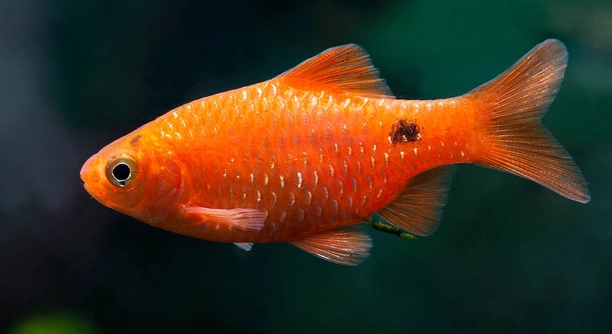
Do you keep Rosy Barbs and wonder which plants will thrive alongside them without constant maintenance or special care requirements?
Rosy Barbs are active freshwater fish that do well with hardy, fast-growing plants such as Java Fern, Hornwort, and Amazon Sword. These plants tolerate their nibbling, reduce tank waste, and improve oxygenation, creating a balanced ecosystem.
These options make tank care easier while also supporting your Rosy Barbs’ health and behavior.
Java Fern: A Tough, Low-Maintenance Choice
Java Fern is one of the best plants to pair with Rosy Barbs. It’s a slow grower that doesn’t need soil or substrate, which makes tank setup easier. This plant attaches well to driftwood or rocks and handles moderate lighting. Since Rosy Barbs can be active and sometimes nibble on soft plants, Java Fern’s thicker leaves hold up better. It also doesn’t mind being in tanks with moving water, so there’s no need for delicate handling. Java Fern helps keep water quality balanced by absorbing nitrates and creating more hiding spots for fish, lowering stress.
It won’t overgrow the tank or demand trimming every week. You can mostly leave it alone once it’s placed securely.
If you’re looking for something that won’t fall apart or float away, this plant is worth considering. Its sturdy leaves hold up to active swimmers, and it gives your fish space to explore without getting in the way.
Hornwort: Fast-Growing and Hardy
Hornwort grows quickly, which helps reduce waste buildup by taking in excess nutrients in the water.
This plant floats or can be anchored in the substrate. Its needle-like leaves create a dense structure that Rosy Barbs enjoy swimming through. It works especially well in larger tanks where fish are more active. Hornwort grows fast and doesn’t need fancy lighting, which is helpful if your setup is basic. Its quick growth means you might need to trim it occasionally, but that also means it’s always working to absorb extra nitrates. Because it’s so resilient, it can handle a variety of tank conditions, including shifts in water temperature or pH. The texture of Hornwort also makes it less appealing for nibbling, so your Rosy Barbs are less likely to damage it. Even if they do, this plant bounces back quickly. It’s affordable, easy to find, and doesn’t require much effort to maintain, which makes it a reliable option for busy tank owners.
Amazon Sword: A Bold Plant with Strong Roots
Amazon Sword works well in tanks with Rosy Barbs because of its large leaves and strong root system. It stays in place even when fish swim through it. This plant also helps stabilize water by soaking up nutrients that would otherwise lead to algae.
Its wide leaves offer shade and cover, which can help reduce stress in active fish. You’ll need to plant it in a nutrient-rich substrate, and it does best with consistent lighting. While it can grow large, trimming it occasionally will keep things manageable. Rosy Barbs may nibble the edges, but Amazon Sword usually stays intact. It also improves oxygen levels in the tank, supporting better water quality overall. If your tank has space for a centerpiece plant, this one gives you both function and appearance. Just make sure you keep up with basic maintenance like trimming and checking root growth to prevent overcrowding.
Amazon Sword can adapt to different water conditions, making it a flexible choice. Once it’s rooted, it tends to be low-maintenance, as long as it gets enough nutrients and light. If it starts turning yellow or showing brown spots, it usually means it needs more iron or root tabs. Add those, and it often recovers quickly. It spreads through runners, which you can replant elsewhere in the tank or trim away. It fills in background areas nicely and pairs well with other plants on this list. The size of Amazon Sword gives it a strong presence, and even if your Rosy Barbs graze on it occasionally, the plant is tough enough to bounce back without much effort. Keep it trimmed and healthy, and it will hold up well in active tanks.
Anubias: Compact and Resilient
Anubias has thick, waxy leaves that hold up well against nibbling. It attaches easily to rocks or wood and grows slowly, which means less trimming. Its durability makes it ideal for tanks with energetic fish like Rosy Barbs.
You don’t need special lighting or substrate for this plant. It thrives in low-light tanks and adds greenery without much upkeep. Rosy Barbs usually ignore it, and even if they don’t, the sturdy leaves resist damage.
Water Wisteria: Light and Flowing
Water Wisteria grows fast and looks soft, but it’s stronger than it seems. The delicate, lacy leaves offer hiding spots and let light filter through gently. It roots in substrate but also works as a floating plant. Rosy Barbs like swimming around it, and it helps manage nitrate levels in the tank.
Vallisneria: Tall and Flowing
Vallisneria grows in long, ribbon-like strands that create a flowing background. It can spread fast but is easy to manage with regular trimming.
FAQ
Can Rosy Barbs live in a planted tank without destroying the plants?
Yes, Rosy Barbs can live peacefully in a planted tank if you choose hardy, fast-growing, or thick-leaved plants. They are active swimmers and sometimes nibble, so delicate plants may get damaged. Options like Java Fern, Hornwort, Amazon Sword, Anubias, and Vallisneria tend to handle their activity well. These plants either grow fast enough to recover or are sturdy enough to resist damage. Anchoring plants securely and giving the fish enough swimming space helps reduce plant uprooting. Floating plants can also be added to distract them and create balance in the tank.
Do Rosy Barbs eat plants?
Rosy Barbs are known to nibble on softer leaves, especially if they aren’t getting enough vegetable matter in their diet. While they’re not strictly plant eaters, they may graze out of curiosity or hunger. Giving them a varied diet with vegetables like spinach, peas, or blanched zucchini can reduce nibbling. Choosing thicker-leaved plants like Anubias or Java Fern helps, as these are less likely to be eaten. Fast-growing plants such as Hornwort and Water Wisteria can also tolerate light grazing because they recover quickly. Monitoring their behavior will help you find the right balance for your tank.
How can I protect my aquarium plants from Rosy Barbs?
Use sturdy or fast-growing plants, and make sure your Rosy Barbs are getting a balanced diet with enough greens. Attach plants like Java Fern or Anubias to rocks or wood to prevent uprooting. For rooted plants, use small stones around the base or plant weights to hold them in place. Adding floating plants like Hornwort can help distract them and reduce interaction with the plants at the bottom. Regular trimming also helps control overgrowth and keeps the tank tidy. If a certain plant keeps getting picked at, try replacing it with a tougher variety.
Are floating plants good for Rosy Barbs?
Yes, floating plants work well with Rosy Barbs. They provide cover and help reduce light intensity, which can calm the fish. Hornwort is a popular choice that floats freely and also absorbs excess nutrients, helping to improve water quality. Floating plants also offer something for the Rosy Barbs to explore near the surface. Just make sure not to cover the entire tank surface, as you still need good gas exchange and light for other plants. Regular thinning may be needed to prevent overgrowth, but they’re otherwise low-maintenance and beneficial for your setup.
Do Rosy Barbs uproot plants often?
They can, especially if the substrate is loose or the plant isn’t well-anchored. Rosy Barbs are strong swimmers, and their activity might disturb lightly rooted plants. Use a heavier substrate, plant weights, or secure base stones to hold down delicate plants. Plants with strong root systems like Amazon Sword and Vallisneria are less likely to get uprooted. You can also attach plants to décor instead of planting them directly in the substrate. Monitoring their swimming patterns and rearranging plants as needed can help reduce uprooting and keep your setup looking clean and stable.
What lighting works best for these plants and Rosy Barbs?
Most of the recommended plants for Rosy Barbs do well in low to moderate lighting. Java Fern and Anubias can thrive in low light, while Amazon Sword, Water Wisteria, and Vallisneria prefer moderate lighting. Rosy Barbs don’t need intense lighting either, so standard LED aquarium lights usually work well for both. Avoid harsh, bright lights, as they may cause stress in the fish and promote algae growth. Keeping lights on for 8–10 hours a day is generally enough for plant health and fish comfort. Always adjust based on how your plants and fish respond.
Can I use CO₂ in a planted tank with Rosy Barbs?
Yes, you can use CO₂ in a Rosy Barb tank, but it’s not required for most of the plants mentioned. Hardy plants like Java Fern, Anubias, and Hornwort grow well without it. However, adding CO₂ can boost growth and make the plants look healthier, especially for Amazon Sword and Vallisneria. If you decide to use CO₂, make sure it’s regulated properly to avoid sudden changes in pH, which could stress the fish. A steady, low-dose setup works well in community tanks. Always monitor water parameters closely if you’re running a CO₂ system alongside live fish.
Final Thoughts
Keeping Rosy Barbs with live plants is easier than it might seem. The key is choosing the right plants—ones that are sturdy, fast-growing, or have tough leaves. These plants hold up better to the fish’s constant movement and occasional nibbling. Java Fern, Anubias, Hornwort, and Amazon Sword are all great options because they don’t require much maintenance and can adjust to different water conditions. Plants like Vallisneria and Water Wisteria grow fast enough to handle minor damage and still provide shelter and water benefits. When paired correctly, the plants and Rosy Barbs can help support each other’s health.
Live plants help keep your tank clean by taking in extra nutrients that would otherwise build up and affect water quality. This helps reduce algae and supports better oxygen levels for the fish. Many of these plants also create natural hiding spots and reduce stress for Rosy Barbs, especially in active or community tanks. Adding plants doesn’t just improve the tank’s look—it also creates a more stable environment. If a plant doesn’t seem to be working, try switching it out for a different one that’s more suited to your setup. There’s no need to force a plant to work if it keeps struggling.
A planted tank doesn’t need to be complex or expensive. With a bit of planning and care, you can keep it simple and still get good results. Basic lighting, regular trimming, and feeding your Rosy Barbs a balanced diet can make a big difference. Watching the fish interact with the plants and seeing the tank stay clean without constant effort is rewarding. Over time, you’ll get a better sense of what works best in your setup. Even if you’re just starting out, you don’t need advanced gear or rare plants to build a healthy space. Start with one or two hardy options and add more once you feel confident. The balance between Rosy Barbs and easy-care plants makes it possible to enjoy a beautiful aquarium without extra stress.

Hello,
If you enjoy the content that we create, please consider saying a "Thank You!" by leaving a tip.
Every little bit helps us continue crafting quality advice that supports the health, happiness, and well-being of pets around the world, for pets of all shapes, sizes, and species.
We really appreciate the kindness and support that you show us!