
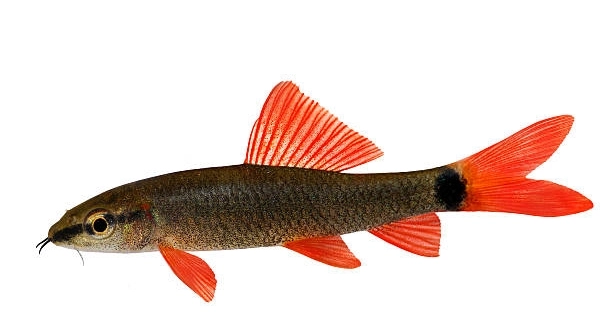
Is your rainbow shark lying still at the bottom of the tank or hiding more than usual instead of swimming around actively?
The most common reason a rainbow shark stops swimming is stress caused by poor water quality, tank mates, or environmental changes. Addressing these issues can help restore its activity and support long-term health.
Understanding these causes can make it easier to resolve the issue and improve your rainbow shark’s comfort and behavior in the aquarium.
Check Water Quality Immediately
Poor water conditions are one of the most common reasons your rainbow shark may stop swimming. If the water contains high levels of ammonia, nitrites, or nitrates, it can quickly stress your fish and affect its behavior. Always test the water using an aquarium test kit. Make sure ammonia and nitrite levels are at 0 ppm and nitrates stay below 20–40 ppm. Check the pH level as well—rainbow sharks prefer a range of 6.5 to 7.5. Maintain a stable temperature between 75°F and 80°F. If you notice anything off, change 25% of the water and vacuum the gravel. Clean the filter if necessary but avoid replacing all the media at once to preserve beneficial bacteria. Consistency is key in preventing stress. Sudden changes, even if well-intentioned, can do more harm than good. Keep up with a regular cleaning schedule to help your shark feel secure.
Look for signs like gasping at the surface, faded color, or rapid gill movement. These may signal poor water conditions.
Even a healthy-looking tank can develop problems quickly. Daily checks and weekly maintenance go a long way in preventing issues. Keep water parameters stable to avoid putting unnecessary stress on your rainbow shark.
Reduce Aggression From Tank Mates
Rainbow sharks can be territorial, and aggressive tank mates may leave them hiding or inactive. Stress from constant chasing or biting can make them withdraw completely.
Choose peaceful bottom dwellers and mid-level swimmers that won’t invade your shark’s space. Avoid other shark-like fish or similar-shaped species. Red-tail sharks, bala sharks, and even some barbs can be too aggressive. If your tank is smaller than 55 gallons, territorial behaviors will intensify. Add hiding spots like caves, plants, or decorations to give your rainbow shark a chance to escape when needed. Rearranging the tank can also help disrupt established territories and reduce tension. If the aggression doesn’t stop, consider separating the fish. Sometimes, moving the rainbow shark to a larger, more peaceful environment is the best solution. Watch for missing scales, torn fins, or changes in eating habits as signs of bullying. Keeping the peace is essential to restoring your shark’s natural activity.
Adjust the Water Temperature
If the water is too cold or too warm, your rainbow shark may become lethargic and stop swimming. Use a reliable aquarium heater and thermometer to maintain a steady range between 75°F and 80°F.
Rainbow sharks are sensitive to fluctuations in temperature. Sudden changes, even just a few degrees, can cause stress and impact their behavior. Place the heater near a water flow source to ensure even heat distribution. Avoid placing the tank near windows or vents, as external temperatures can cause instability. If you notice sluggish movement or hiding behavior, double-check the temperature first. Digital thermometers are more accurate and easier to read. If the temperature is too low, raise it slowly—no more than 1°F every few hours. Never change the temperature too quickly, as this can worsen the stress and lead to illness. Keep lighting consistent as well, with 8 to 10 hours of light daily.
When temperatures are stable, your rainbow shark will feel more comfortable and may start swimming again. A consistent environment supports normal behavior and prevents additional problems. Try to check the tank temperature at the same time each day. This habit helps catch subtle changes before they start affecting your fish’s behavior or health.
Improve Tank Setup and Layout
Crowded or bare tanks can stress rainbow sharks, especially if they have nowhere to hide or explore. An ideal tank should have plenty of hiding places and open swimming space to help them feel secure and active.
Use smooth rocks, caves, driftwood, and tall plants to create a natural-looking layout. These features allow your rainbow shark to claim its own territory while giving it places to rest or retreat. Avoid sharp decorations that could cause injury. If the tank feels too open, your shark may stay hidden to avoid threats. On the other hand, too many items can limit swimming space and make the environment feel cramped. Rearranging the tank occasionally can also reduce stress by resetting territorial boundaries. A balanced layout not only supports your shark’s mental well-being but also encourages more movement. Stick to one rainbow shark per tank unless you have a very large setup.
Check for Illness or Injury
A rainbow shark that isn’t swimming might be sick or injured. Look for signs like clamped fins, white spots, red streaks, bloating, or labored breathing. Quick detection helps prevent the condition from worsening or spreading to other fish in the tank.
Use a quarantine tank if needed for treatment. Some illnesses require medicated water or salt baths, depending on the symptoms. Always follow dosage instructions carefully. Avoid treating the main tank unless necessary, as medications can affect healthy fish and beneficial bacteria.
Monitor Feeding Habits Closely
Loss of appetite can be a warning sign. If your rainbow shark stops eating or shows little interest during feeding time, take note. Uneaten food can also rot and harm water quality. Offer a varied diet with sinking pellets, algae wafers, and occasional protein like brine shrimp. Watch closely to ensure your shark is eating without competition. If food consistently goes untouched, illness or stress may be the cause. Try feeding at the same time daily, and remove leftovers within 5 minutes. A steady routine often helps fish feel more secure and encourages normal behavior.
Avoid Overcrowding the Tank
Too many fish in a small tank can cause constant stress, which may lead your rainbow shark to stop swimming. Stick to the recommended stocking levels for your tank size and avoid adding aggressive or territorial fish.
Why is my rainbow shark hiding and not swimming?
Rainbow sharks tend to hide when they feel stressed or threatened. This can be due to poor water quality, aggressive tank mates, or an unsuitable environment. When stressed, they conserve energy by staying still in hiding spots. Check your tank’s water parameters first, and observe interactions with other fish. Adjusting the tank setup to provide enough hiding places and ensuring peaceful tank mates often encourages your shark to swim more freely. Consistent care helps reduce stress and promotes normal activity.
How can I tell if my rainbow shark is sick?
Signs of illness include clamped fins, white spots, red streaks, lethargy, loss of appetite, or rapid breathing. Your shark may also stop swimming or stay at the bottom of the tank. Illness often results from poor water conditions or infections. Early detection is crucial. If you notice these symptoms, isolate the fish in a quarantine tank and treat accordingly with medications designed for freshwater fish. Regular water testing and maintaining cleanliness are key to preventing sickness.
What water temperature is best for rainbow sharks?
Rainbow sharks thrive in temperatures between 75°F and 80°F (24°C to 27°C). Temperatures outside this range can cause stress and inactivity. Use a reliable aquarium heater and thermometer to maintain a stable temperature. Sudden temperature changes should be avoided because they may shock the fish and affect its health. Consistency in temperature creates a comfortable environment and supports the rainbow shark’s natural swimming behavior.
Can tank size affect my rainbow shark’s swimming habits?
Yes, tank size is important. Rainbow sharks need at least a 55-gallon tank because they are active swimmers that require space. Smaller tanks can make them feel cramped and stressed, leading to hiding or reduced movement. Overcrowding also increases aggression and competition for territory. Providing enough swimming room and minimizing the number of fish helps your rainbow shark stay active and healthy.
What should I feed my rainbow shark to keep it healthy?
A balanced diet is essential. Rainbow sharks are omnivores and enjoy sinking pellets, algae wafers, and occasional treats like bloodworms or brine shrimp. Feeding should be done once or twice daily in small amounts that your fish can eat within a few minutes. Remove uneaten food promptly to avoid water quality issues. A varied diet supports their energy levels and encourages natural activity in the tank.
How do aggressive tank mates affect my rainbow shark?
Aggressive or territorial fish can stress your rainbow shark by chasing or nipping at it. This can cause your shark to hide more and swim less. Choose peaceful tank mates and avoid fish with similar shapes or behaviors. Adding decorations and hiding spots also helps your shark escape aggression. If problems continue, separate aggressive fish or upgrade to a larger tank where everyone can have their own space.
Is it normal for rainbow sharks to stop swimming sometimes?
Occasionally resting or staying still is normal, especially at night or after feeding. However, if your rainbow shark is inactive for long periods or hiding constantly, this indicates stress, illness, or poor environment. Monitoring behavior regularly and maintaining proper tank conditions will help ensure your shark swims actively most of the time.
Can poor water quality cause my rainbow shark to stop swimming?
Absolutely. High ammonia, nitrites, or nitrates cause stress and illness, leading to inactivity. Keeping ammonia and nitrites at zero and nitrates below 20-40 ppm is critical. Regular water changes, proper filtration, and testing help maintain water quality. Clean water allows your rainbow shark to swim comfortably and stay healthy.
How often should I clean my tank to help my rainbow shark swim better?
A partial water change of 20-25% weekly is recommended to keep water clean without disturbing beneficial bacteria. Clean the substrate with a gravel vacuum and rinse filter media in tank water (not tap water) to preserve bacteria. Avoid over-cleaning, which can disrupt the tank’s balance and cause stress. Routine maintenance supports your rainbow shark’s environment and swimming behavior.
What role does tank decoration play in my rainbow shark’s activity?
Tank decorations provide hiding spots and territories, which reduce stress and encourage natural behavior. Rocks, caves, plants, and driftwood offer shelter and break up line of sight, helping your rainbow shark feel secure. A well-decorated tank promotes exploration and swimming. However, avoid overcrowding the tank with decorations to keep enough open space for swimming.
This FAQ section covers key reasons and solutions related to your rainbow shark’s swimming behavior, providing practical advice for a healthy, active fish.
Keeping a rainbow shark active and healthy in your aquarium requires attention to several important factors. Water quality is one of the most critical elements. Maintaining clean water with the right levels of ammonia, nitrites, nitrates, and pH ensures your fish feels comfortable and safe. Regular water testing and partial water changes help maintain these conditions. Sudden changes in the environment or poor water quality can cause stress, which often leads to your rainbow shark hiding or not swimming. It is important to check these regularly and act quickly if anything seems off.
The tank setup also plays a big role in your fish’s behavior. Rainbow sharks need enough space to swim freely and places to hide when they want to rest or feel threatened. A tank that is too small or overcrowded can cause stress and limit movement. Adding decorations like caves, plants, and smooth rocks can provide a balanced environment where your fish can explore and feel secure. Choosing the right tank mates is also important. Aggressive or territorial fish may cause your rainbow shark to hide or stop swimming. Peaceful companions and enough space will reduce conflict and encourage normal behavior.
Lastly, feeding and temperature must be managed carefully. Rainbow sharks thrive with a balanced diet of sinking pellets, algae wafers, and occasional protein treats. Overfeeding or underfeeding can cause health problems and affect activity. Keeping the tank temperature stable between 75°F and 80°F helps your fish stay comfortable and energetic. Avoid sudden temperature changes, as these can shock your fish and lead to inactivity. Paying close attention to these factors will help your rainbow shark stay healthy and swim actively in your tank. Proper care and a well-maintained environment are the best ways to keep your fish happy over the long term.

Hello,
If you enjoy the content that we create, please consider saying a "Thank You!" by leaving a tip.
Every little bit helps us continue crafting quality advice that supports the health, happiness, and well-being of pets around the world, for pets of all shapes, sizes, and species.
We really appreciate the kindness and support that you show us!