
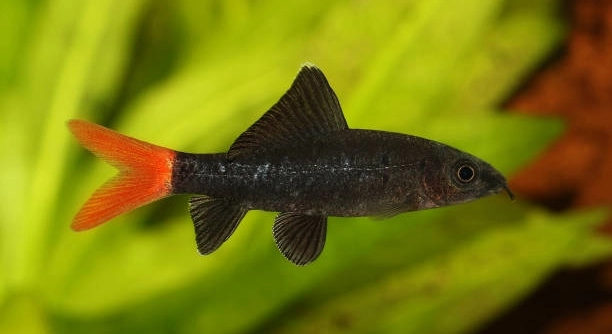
Rainbow sharks are popular freshwater fish admired for their vibrant colors and active behavior. Sometimes, these fish can become disoriented, which can affect their health and well-being. Understanding simple ways to address this issue is important for any aquarium owner.
Disorientation in rainbow sharks often results from poor water quality, improper tank conditions, or stress factors such as overcrowding and sudden changes in environment. Correcting these issues promptly helps restore their orientation and promotes overall health and stability.
This article will provide practical and easy solutions to help your rainbow shark regain its balance and thrive in its home environment.
Check Water Quality and Parameters
Maintaining clean and balanced water is essential for your rainbow shark’s well-being. Poor water quality can cause disorientation and stress. Regularly test the water for ammonia, nitrite, nitrate, and pH levels. Ammonia and nitrites should be at zero, while nitrates need to stay below 20 ppm. The pH should be between 6.5 and 7.5 to mimic their natural environment. Changing the water too quickly or infrequently can shock the fish, making disorientation worse. Make small, frequent water changes, around 10-20% weekly, to keep conditions stable. Filtration plays a big role in keeping water clean by removing harmful toxins and debris. Make sure your filter is appropriate for the tank size and is functioning well. Also, avoid overfeeding, as leftover food decomposes and worsens water quality, contributing to stress and health problems.
Keep your water clean and stable to prevent disorientation and promote your rainbow shark’s health.
A clean, stable environment is the first step to helping your fish feel secure and balanced.
Adjust Tank Setup and Environment
A proper tank setup supports your rainbow shark’s natural behavior and orientation. Rainbow sharks prefer spacious tanks with hiding spots like rocks, plants, and decorations where they can rest and feel safe. A minimum tank size of 30 gallons is recommended to provide enough swimming room and reduce stress. The tank should have a gentle water flow because strong currents can confuse or exhaust the fish. Lighting should mimic a natural day-night cycle with about 10-12 hours of light daily. Sudden changes in lighting or tank arrangement can cause confusion and disorientation, so introduce any modifications gradually. Also, keep the tank in a quiet area away from vibrations or heavy foot traffic. Noise and constant movement nearby can make the fish anxious, affecting its orientation and behavior.
Adjusting the tank environment helps your rainbow shark feel secure and regain normal behavior.
By providing enough space, hiding places, and stable conditions, you encourage your fish to thrive naturally.
Monitor Tank Mates and Population
Rainbow sharks can become stressed if they share their tank with aggressive or overly active fish. Overcrowding leads to competition for space and food, increasing anxiety. Make sure your tank isn’t too crowded and that tank mates are peaceful and compatible.
Aggressive fish may chase or nip at rainbow sharks, causing disorientation and injury. Avoid keeping them with fin-nippers or overly territorial species. Peaceful community fish like tetras or barbs can coexist well if the tank is large enough. Observe how your fish interact and separate any problematic individuals to reduce stress. Providing plenty of hiding spots helps reduce conflicts. Maintaining a balanced population with compatible species creates a calmer environment where your rainbow shark can feel secure and less disoriented.
Proper tank population management reduces stress and supports your fish’s mental and physical health.
Provide a Consistent Feeding Schedule
Feeding your rainbow shark regularly at the same times daily helps maintain routine and reduces stress. Sudden changes in feeding or skipping meals can contribute to disorientation. Use high-quality pellets or flakes formulated for omnivorous fish, supplemented with occasional live or frozen foods like bloodworms or brine shrimp. Feed small amounts that the fish can consume within a few minutes to avoid leftover food spoiling the water. Avoid overfeeding, which can pollute the tank and affect water quality, leading to further health issues. A consistent feeding routine helps your fish feel secure and supported, improving its overall condition and orientation.
Regular, balanced feeding supports your rainbow shark’s health and contributes to a stable, less stressful environment.
Maintain Stable Water Temperature
Rainbow sharks thrive in water temperatures between 74°F and 80°F. Sudden temperature changes can cause stress and disorientation. Use a reliable heater to keep the temperature steady.
Check the temperature daily and avoid placing the tank near drafts or direct sunlight to prevent fluctuations.
Observe for Signs of Illness
Disorientation can sometimes indicate illness or injury. Look for signs such as clamped fins, spots, unusual swimming, or loss of appetite. Early detection helps in treating health issues effectively.
Consult a veterinarian or aquatic specialist if you notice any worrying symptoms to protect your fish’s health.
Avoid Overhandling the Fish
Excessive handling or disturbing your rainbow shark too often can increase stress and confusion. Limit interactions to necessary maintenance and feeding times only.
Respecting the fish’s space helps it recover faster and maintain normal behavior.
FAQ
Why is my rainbow shark swimming erratically?
Erratic swimming often results from stress or poor water conditions. Check water parameters for ammonia, nitrites, and nitrates, and make sure the pH is stable. Stress from aggressive tank mates, overcrowding, or sudden changes in the environment can also cause erratic behavior. Fixing these issues helps the fish swim normally again.
How often should I change the water in my rainbow shark’s tank?
Perform small water changes of about 10-20% every week. Frequent, partial changes help keep water clean and stable without shocking your fish. Avoid large water changes all at once, as this can cause sudden shifts in water chemistry that disorient the fish.
What is the ideal tank size for a rainbow shark?
A minimum tank size of 30 gallons is recommended for a single rainbow shark. Larger tanks reduce stress by providing enough swimming space and helping maintain stable water conditions. Crowded tanks often lead to aggression and disorientation.
Can rainbow sharks live with other fish?
Yes, but choose peaceful species to avoid conflict. Avoid fin-nippers or aggressive fish that might harass your rainbow shark. Provide plenty of hiding spots to reduce stress and prevent territorial fights.
What should I feed a rainbow shark?
Feed a varied diet including high-quality pellets or flakes designed for omnivorous fish. Supplement occasionally with live or frozen foods like bloodworms or brine shrimp. Feed small amounts once or twice daily, ensuring the fish eats it all within a few minutes.
Why is my rainbow shark hiding more than usual?
Hiding often indicates stress or illness. Check tank conditions and water quality. Make sure the environment is calm and the tank mates are not aggressive. If hiding continues, inspect the fish for signs of disease or injury.
How do I know if my rainbow shark is sick?
Look for unusual signs such as loss of appetite, faded colors, clamped fins, unusual swimming patterns, or spots and lesions. Early detection improves the chance of successful treatment, so keep a close eye on your fish’s behavior.
Can poor lighting affect my rainbow shark?
Yes, inconsistent or harsh lighting can cause stress and disorientation. Provide a natural light cycle of about 10-12 hours per day. Avoid sudden changes in lighting and place the tank away from direct sunlight to maintain stability.
Is it normal for rainbow sharks to be shy?
Rainbow sharks are naturally shy and nocturnal. They often stay near hiding spots during the day. Providing enough cover and a quiet environment helps them feel secure and reduces stress.
What should I do if my rainbow shark shows signs of disorientation despite good water quality?
Check for other stress factors such as aggressive tank mates, overfeeding, or sudden environmental changes. Make sure the tank setup includes hiding spots and stable temperature. If the problem persists, consider consulting an aquatic specialist for further advice.
Maintaining a healthy and balanced environment is key to preventing disorientation in your rainbow shark. Consistent care, such as regular water testing, proper feeding, and ensuring suitable tank conditions, creates a stable space where your fish can thrive. Small adjustments in water quality, tank setup, and diet can make a big difference in how your rainbow shark behaves and feels. Keeping the tank clean and avoiding sudden changes helps reduce stress, which is often the main reason for disorientation. Attention to these basic needs supports the overall health and happiness of your fish.
Understanding the needs of rainbow sharks and their natural behaviors will help you provide the best care possible. They require enough space to swim, gentle water flow, and places to hide. Avoid overcrowding the tank or mixing them with aggressive fish that may cause stress. Feeding them a balanced diet regularly, along with maintaining consistent water temperature, will also prevent many common problems. Sometimes, small signs like hiding or unusual swimming can indicate a problem, so observing your fish daily is important. Early detection and quick action often prevent serious health issues.
Taking care of a rainbow shark means being patient and consistent. Changes should be gradual and careful to avoid shocking the fish. When problems arise, such as disorientation, the solution is usually found in improving tank conditions or reducing stress. Regular maintenance and thoughtful care make it easier to spot issues early and keep your rainbow shark comfortable. By meeting their basic requirements, you give your fish a better chance to live a healthy, long life in your aquarium.

Hello,
If you enjoy the content that we create, please consider saying a "Thank You!" by leaving a tip.
Every little bit helps us continue crafting quality advice that supports the health, happiness, and well-being of pets around the world, for pets of all shapes, sizes, and species.
We really appreciate the kindness and support that you show us!