
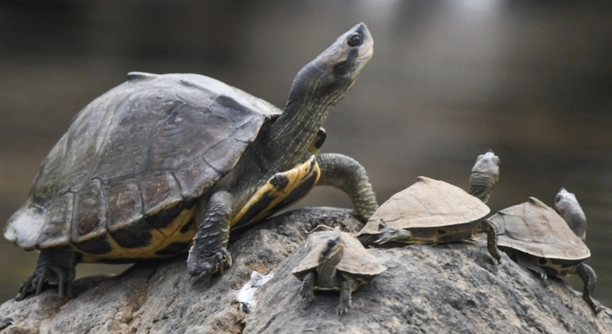
Are your Indian Roofed Tortoise’s tank starting to look dirty and unkempt? Keeping the tank clean is essential for your pet’s well-being and comfort, but cleaning it doesn’t have to be a huge hassle.
There are seven simple fixes you can apply to maintain a cleaner environment for your tortoise. Regular cleaning and small adjustments can significantly improve the tank’s overall cleanliness, making it a healthier space for your pet.
These easy fixes will help you maintain a fresh and safe home for your tortoise without much effort. By following these steps, you’ll ensure a cleaner habitat and happier pet.
Remove Excess Food
Excess food is one of the biggest contributors to a dirty tortoise tank. Leftover food can quickly decay, leading to unpleasant odors and bacteria growth. Make sure to remove uneaten food after each feeding. This includes leafy greens, vegetables, and any other food items your tortoise didn’t consume. The longer food sits in the tank, the more likely it is to cause a mess. It’s best to monitor the amount of food given, so there is less waste. When food is left for too long, it not only makes the tank dirty but can also attract pests.
The key is consistency. Check the tank after every feeding and remove anything that hasn’t been eaten. This will help keep the habitat cleaner for longer periods, reducing the need for frequent, intense cleanups.
Keeping the tank free from old food will also help reduce the growth of mold and bacteria. A clean environment is essential for your tortoise’s health, as it helps avoid potential infections. By removing uneaten food, you’re providing a cleaner and safer living space for your pet.
Clean the Water Dish Regularly
Tortoises rely on fresh water to stay hydrated, and their water dish can quickly become dirty.
To keep things clean, change the water daily, especially if it’s been splashed or soiled. A water dish should be washed with warm water and mild soap every few days to avoid bacteria buildup. A clean water dish not only prevents the spread of germs but also ensures your tortoise drinks clean water, keeping them healthy. The more frequently you change and clean the water, the less likely it is to cause harm.
Dirty water can lead to dehydration or skin infections, so it’s crucial to stay on top of this task. If your tortoise likes to soak in the water, you might need to clean it more often. Regular water dish maintenance is a small task that can make a big difference in your pet’s well-being.
Clean the Substrate
The substrate in your tortoise’s tank, whether it’s soil, sand, or wood chips, can collect waste and food remnants, making it essential to clean regularly.
Spot clean the substrate every few days by removing droppings and debris. For a deeper clean, replace the substrate entirely every month or two. This helps prevent the buildup of harmful bacteria and ensures your tortoise’s tank remains sanitary. If you use soil, make sure to sift it to remove any waste or uneaten food.
Over time, soiled substrate can affect the overall cleanliness of the tank. Changing it regularly keeps the environment fresh and comfortable for your tortoise. You can also add a layer of clean substrate to areas where it may have become sparse. A healthy substrate is key to a healthy tank.
Use a Suitable Tank Filter
If your tortoise has a water dish or a small pond in its tank, using a filter can make a big difference in keeping the water clean.
A good filter will keep the water clear by removing waste and debris that would otherwise accumulate. It’s important to choose a filter designed for the size of your tank and the needs of your tortoise. Regularly clean the filter as part of your routine maintenance to ensure it works effectively.
Filters help maintain a healthier environment by reducing the frequency of full water changes. They prevent the growth of algae and keep the water oxygenated, which is essential for your tortoise’s overall health. However, a filter shouldn’t replace regular cleaning; it’s just a helpful tool. A clean water source makes a big difference in the long run.
Spot Clean Daily
Cleaning your tortoise’s tank doesn’t have to be a long process. Spot cleaning every day can go a long way in maintaining a tidy environment.
Simply remove any visible waste or food debris each day. This will prevent a buildup of waste that could lead to odors or health issues for your tortoise. Spot cleaning is quick but makes a noticeable difference in how the tank looks.
Keeping up with daily cleaning ensures your tortoise’s habitat stays clean without the need for intense cleaning sessions. It’s a small task that makes a big impact.
Maintain the Tank Temperature
Tortoises thrive in specific temperature ranges, and an improperly heated tank can cause discomfort and promote bacterial growth.
To keep your tortoise happy and healthy, invest in a reliable thermostat or thermometer to monitor the tank’s temperature. You may need to adjust heat lamps or add heat mats to create a balanced environment. A temperature range of 75-85°F is usually ideal.
By maintaining the proper temperature, you’re not only ensuring your tortoise’s comfort but also preventing excess humidity, which can contribute to an unhygienic environment. Regularly check the tank’s temperature to ensure it remains stable. A consistent environment promotes better health for your pet.
Avoid Overcrowding
Too many items in the tank can make cleaning difficult and create hidden spaces for waste to accumulate.
Keep decorations, hides, and other tank accessories to a minimum. While it’s important to provide enrichment for your tortoise, overcrowding the space can lead to a cluttered and dirty environment. Clean the accessories regularly to avoid them becoming sources of bacteria.
FAQ
How often should I clean my tortoise tank?
Cleaning your tortoise tank should be done regularly, but how often you clean it depends on the size of the tank and how many tortoises live in it. Spot cleaning should be done daily to remove waste and food remnants. A deeper clean, where you change the substrate and clean the tank more thoroughly, should be done once a month. It’s important to keep the tank free of buildup, but daily spot cleaning is the easiest way to maintain a sanitary environment.
Can I use soap to clean my tortoise tank?
It’s best to avoid using strong chemicals or soaps in your tortoise tank, as these can leave behind harmful residues. Mild soap can be used occasionally to clean non-porous surfaces like plastic, but always make sure to rinse everything thoroughly with water afterward. For general cleaning, use warm water and a soft cloth to wipe down the surfaces. For deeper cleaning, you can use a vinegar solution (one part vinegar to ten parts water), which is safe and effective for disinfecting.
Is it safe to use a filter in my tortoise’s water dish?
Yes, using a filter in your tortoise’s water dish is a good idea. A filter helps to keep the water clean by removing waste and debris, which can otherwise cause bacteria and mold to grow. Choose a filter designed for smaller setups and make sure to clean it regularly. While a filter makes maintenance easier, it shouldn’t replace regular water changes. Still, it will reduce the frequency of complete water changes.
What substrate is best for an Indian Roofed Tortoise?
For an Indian Roofed Tortoise, a combination of coconut coir, cypress mulch, or grass hay is often recommended as a substrate. These materials allow for good moisture retention, which helps maintain the right humidity levels. Avoid using sand or clay-based substrates, as these can be too dry and difficult to clean. Make sure the substrate is deep enough to allow your tortoise to burrow and create natural hiding spots.
How can I prevent my tortoise from getting a dirty shell?
A dirty shell can be caused by poor tank hygiene or a diet high in wet foods. To prevent this, ensure your tortoise has a clean environment with regularly changed substrate and fresh water. Avoid feeding excessively wet or messy food, and be sure to remove any leftover food quickly. Additionally, you can give your tortoise occasional baths in lukewarm water to help keep its shell clean and hydrated.
Can I keep live plants in my tortoise’s tank?
Yes, live plants can be beneficial for your tortoise’s habitat as they provide enrichment and help maintain the natural environment. However, make sure to choose tortoise-safe plants, such as dandelions, clover, and hibiscus. Avoid plants that are toxic to tortoises, such as ivy, lilies, and certain ferns. Regularly check the plants for signs of decay and remove any dead foliage to keep the tank clean.
Should I use a heat lamp for my tortoise?
Yes, a heat lamp is important for providing your tortoise with the warmth it needs to stay healthy. Most tortoises, including the Indian Roofed Tortoise, require a basking area with a temperature around 90-100°F. The heat lamp should be placed over the basking spot, ensuring the tortoise can choose to move between warmer and cooler areas. It’s essential to monitor the temperature regularly to ensure it’s within the proper range for your tortoise.
How do I know if my tortoise tank has the right humidity?
Humidity levels in your tortoise’s tank are crucial for its health. The ideal humidity level for an Indian Roofed Tortoise is between 50% and 70%. You can use a hygrometer to monitor the humidity levels. If the tank is too dry, you can increase humidity by lightly misting the substrate or adding a shallow water dish. If it’s too humid, ensure proper ventilation to allow moisture to escape. Always aim for balanced humidity to prevent respiratory issues and skin problems.
What can I do if my tortoise’s tank smells bad?
If your tortoise’s tank smells, it’s usually a sign of waste buildup, mold, or spoiled food. First, remove any leftover food, droppings, or debris. Change the substrate if it’s too soiled and clean the tank thoroughly. A vinegar-water solution can help eliminate odors. Additionally, make sure the tank has proper ventilation to prevent stagnation. Regular cleaning and monitoring the water dish and food waste are the best ways to prevent unpleasant smells from occurring.
Do I need to give my tortoise a bath?
Giving your tortoise a bath is not always necessary but can be helpful for maintaining its hygiene. A warm water bath for about 10-15 minutes every few weeks can help clean your tortoise’s shell and provide hydration. Always ensure the water is not too hot or cold, and do not use soap. Bathing can also stimulate your tortoise to drink more water, especially if it isn’t drinking enough on its own.
How can I tell if my tortoise is stressed?
Signs of stress in a tortoise can include excessive hiding, lack of appetite, pacing, or attempts to escape. Stress may be caused by environmental factors such as incorrect temperature or humidity, overcrowding in the tank, or a lack of enrichment. If your tortoise is showing signs of stress, reassess the tank’s conditions and try to adjust the environment to better suit your pet’s needs.
Can I keep multiple tortoises in the same tank?
While it is possible to house multiple tortoises together, it’s important to ensure the tank is large enough to accommodate them all. Overcrowding can lead to stress and territorial disputes, and it can make cleaning more difficult. If you plan to house more than one tortoise, make sure there’s enough space, food, and hiding spots for each animal. You should also monitor them closely for signs of aggression or stress.
How do I prevent mold in my tortoise’s tank?
Mold can form in your tortoise’s tank if the humidity is too high or if organic material like food or substrate stays wet for too long. To prevent mold, ensure the tank has proper ventilation and that humidity levels are balanced. Remove any food or waste promptly, and replace damp substrate with dry, fresh material. Clean the tank regularly to reduce the risk of mold buildup.
Final Thoughts
Keeping your Indian Roofed Tortoise’s tank clean doesn’t need to be difficult or time-consuming. By focusing on small tasks like spot cleaning daily, removing excess food, and cleaning the water dish regularly, you can maintain a healthy environment for your pet. These simple habits go a long way in ensuring your tortoise’s tank stays fresh and comfortable. The more consistent you are with these tasks, the less often you’ll need to do deep cleans. It’s about making small adjustments to your routine and sticking with them.
It’s also important to remember that a clean environment contributes to your tortoise’s overall health. A messy tank can lead to bacteria buildup, mold, and other issues that may affect your tortoise’s well-being. Keeping the temperature and humidity at the right levels will also help keep things in check. Regular cleaning, combined with proper habitat conditions, will reduce the likelihood of health problems and stress. By taking care of these details, you’re giving your tortoise the best possible space to thrive.
Lastly, don’t forget that the key to a happy tortoise is a balanced habitat. While cleanliness is important, so is providing an enriching environment. Make sure your tortoise has enough space to roam, a variety of hiding spots, and the right materials to burrow. Along with the regular cleaning tasks, creating a comfortable, natural-like space will help your tortoise feel secure. A clean and well-maintained tank will lead to a healthier and happier tortoise, giving you peace of mind knowing your pet is in good hands.

Hello,
If you enjoy the content that we create, please consider saying a "Thank You!" by leaving a tip.
Every little bit helps us continue crafting quality advice that supports the health, happiness, and well-being of pets around the world, for pets of all shapes, sizes, and species.
We really appreciate the kindness and support that you show us!