
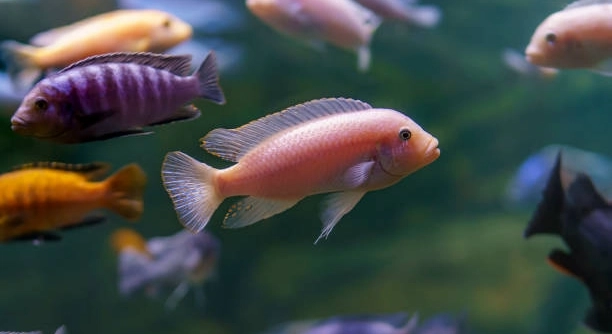
Convict cichlids are known for their bold personalities and need for secure spaces in their tanks. Many fish owners struggle to provide hiding spots that are both safe and easy to create. Simple solutions can improve their environment quickly.
Providing easy DIY hides for convict cichlid tanks can significantly enhance their well-being. Simple structures such as caves, PVC tubes, and rock stacks offer shelter, reduce stress, and encourage natural behaviors. These hides can be crafted with household materials safely and effectively.
Having these practical options makes tank maintenance easier and keeps your cichlids content in their aquatic home. A few simple adjustments can transform a basic tank into a thriving environment.
Rock Caves and Stackable Hides
Creating rock caves is a simple way to give convict cichlids a secure hiding spot. You can use smooth, aquarium-safe rocks to form small caves or stacked structures. Make sure the rocks are stable to prevent them from collapsing. Even a small overhang provides a sense of security. Many cichlids prefer tight spaces where they can retreat and observe the tank without feeling exposed. You can vary the size of the caves to accommodate both adults and juveniles. Adding a flat rock on top creates a natural ledge, giving them a place to rest. Some owners even use slate pieces to build layered caves, which also offer interesting visual depth. Placement matters too. Rocks should be positioned in areas with minimal water flow so the fish can relax. Including multiple caves throughout the tank reduces aggression by giving each fish its own space.
Rock caves help cichlids feel safe while adding natural beauty to the tank.
Stacking rocks for hides also creates nooks and crannies for exploration. Fish enjoy darting in and out, and the structures encourage territorial behavior without harming tank mates. Proper placement and stable stacking ensure long-term safety.
PVC Tubes and Tunnels
PVC tubes provide an affordable, customizable hiding option. They are easy to clean and come in different diameters.
PVC tunnels allow cichlids to swim through and hide easily. You can cut and arrange them in creative ways, even partially burying them under substrate. Using dark-colored pipes mimics natural hiding spots, making the fish feel secure. Adding small openings on the sides lets them peek out while remaining protected. These tunnels are ideal for breeding pairs, as they offer privacy without taking much tank space. PVC can be decorated with aquarium-safe paints or covered with stones for a more natural look. Multiple tunnels reduce conflicts in larger tanks by giving each fish its own space. They also help shy or new fish adjust to the tank without stress. Regular inspection ensures no sharp edges remain, keeping the environment safe. PVC tunnels are lightweight, durable, and versatile, making them a practical choice for any tank setup.
Driftwood and Branch Hides
Driftwood offers natural hiding spaces while enhancing tank aesthetics. Position pieces carefully to prevent movement, and choose smooth, aquarium-safe wood that won’t alter water chemistry.
Driftwood provides nooks and overhangs where convict cichlids can retreat. Its textured surface allows fish to rub against it, which can help reduce stress. Larger branches can create multiple levels in the tank, giving fish the option to hide or perch. Driftwood also encourages natural behaviors such as exploring and territorial marking. Over time, it can develop a thin layer of biofilm, which fish may graze on. Using driftwood alongside rocks or PVC creates a layered, dynamic environment. Make sure all pieces are secured to avoid accidental collapse. Combining different types of wood and branch sizes adds depth and interest while supporting fish comfort and well-being.
Branch arrangements can also serve as breeding sites for convict cichlids. By placing branches strategically, fish feel secure and confident to establish territories. Multiple branches reduce aggression and provide ample hiding spots. Driftwood hides are versatile, durable, and can be repositioned to refresh the tank layout.
Terracotta Pots and Half-Hides
Terracotta pots are inexpensive and versatile. Cut or leave them whole to create private spaces for your fish.
Using terracotta pots gives cichlids a safe retreat. You can lay them on their side, partially bury them, or stack them to form multi-level caves. The porous surface allows for natural algae growth, which some fish nibble on. Terracotta is heavy enough to remain stable but light enough to rearrange if needed. Half pots or broken pieces can be positioned at angles to create narrow passageways, encouraging exploration and reducing boredom. Pots are especially helpful in breeding setups, as they provide secure, enclosed spaces for eggs and fry. Multiple pots in the tank allow less dominant fish to avoid confrontations. Regular rinsing helps prevent excess buildup, keeping the environment clean and healthy. Incorporating terracotta pieces balances practicality with a natural look, giving your tank both function and style.
Coconut Shell Hides
Coconut shells make small, natural hiding spots. Rinse and drill holes to create entrances, then place them in areas with low water flow.
These shells provide dark, enclosed spaces that help cichlids feel safe. They are lightweight, inexpensive, and easy to rearrange as needed in the tank.
PVC Half-Pipes
PVC half-pipes offer long, tunnel-like hides. Position them along the substrate or lean them against rocks to create cozy retreats. Their smooth surface prevents injury, and they are simple to clean.
Artificial Plant Caves
Artificial plants can double as hiding spaces. Dense clusters provide shelter and help break lines of sight, reducing aggression among cichlids.
FAQ
How many hides should I provide in a convict cichlid tank?
Providing multiple hides is essential to reduce stress and aggression. Ideally, each fish should have at least one dedicated space. In a small tank, two to three hides may suffice, while larger tanks benefit from five or more, spread across different areas. Spacing them apart prevents territorial disputes and allows shy fish to retreat without being constantly chased. Using a combination of caves, PVC tubes, and driftwood can create varied environments. Each hide should be stable and safe, with no sharp edges. Having multiple options encourages natural behavior, helps reduce fighting, and ensures all fish have access to secure shelter.
Can I use regular rocks or wood from outside in the tank?
It is not recommended to use rocks or wood collected from outdoors. They may carry harmful bacteria, parasites, or chemicals that can upset water chemistry. Only use materials labeled as aquarium-safe or pre-treated to prevent contamination. Driftwood sold for aquariums is typically boiled or cured to remove tannins and pests. Rocks should be non-porous and safe for freshwater tanks. Some types of wood, like pine or cedar, release toxins that can harm fish. Regular aquarium rocks, slate, or terracotta are much safer and easier to clean. Using the wrong materials can cause stress, illness, or even death in convict cichlids.
How do I keep the hides clean without disturbing the fish too much?
Regular maintenance is important to prevent algae buildup and debris accumulation. Lightly rinse hides during water changes, but avoid harsh scrubbing that may remove beneficial biofilm. Use a soft brush or sponge designed for aquarium use. For PVC or terracotta pieces, you can soak them briefly in dechlorinated water. Avoid strong chemicals, as they can harm the fish. Driftwood may require occasional brushing, but removing it completely is unnecessary unless decay occurs. Maintaining hides in place reduces fish stress. If fish are hiding inside, gently coax them out before cleaning. Frequent light cleaning is better than infrequent deep scrubbing.
Are DIY hides safe for breeding convict cichlids?
Yes, many DIY hides are ideal for breeding. Cichlids prefer enclosed, dark spaces to lay eggs and protect fry. PVC tubes, terracotta pots, and small caves are popular choices. Ensure that the hides are stable and can’t collapse on eggs or fry. Adding multiple hides reduces competition among breeding pairs. Observing the fish without disturbing them allows the parents to feel secure. Avoid removing hides during spawning, as this can lead to stress or abandonment. Providing appropriate hides encourages natural breeding behavior and increases the survival chances of young fish.
Can too many hides cause problems in a tank?
Too many hides can reduce swimming space and make water circulation less effective. It’s important to balance hiding spots with open areas for swimming and territorial display. Overcrowding with structures may also make cleaning difficult. Arrange hides strategically, leaving clear paths and areas for interaction. Fish can still establish territories while having access to shelter. Regular observation helps identify if any hides are causing bottlenecks or conflict. A well-planned layout with a mix of hides and open areas keeps the tank functional, safe, and visually appealing.
How often should I rotate or move the hides?
Frequent rearrangement can stress fish, especially cichlids that are territorial. It’s best to keep hides in consistent locations, only adjusting occasionally to refresh the environment or during cleaning. If you move them, do it gradually and avoid sudden large changes. Minor adjustments, such as rotating a PVC tube or shifting a rock slightly, are usually fine. Observing fish reactions after changes helps determine if they are comfortable with the new layout. Maintaining some stability while occasionally introducing variety keeps fish engaged without causing unnecessary stress.
Are there specific hides for juvenile cichlids?
Juvenile convict cichlids need smaller, tighter spaces to feel secure. Small PVC tubes, coconut shells, or tiny rock caves are ideal. Avoid large hides that can overwhelm or intimidate young fish. Providing appropriately sized shelters encourages growth, reduces bullying from adults, and allows juveniles to explore safely. Multiple small hides throughout the tank ensure that younger fish can find refuge without entering adult territories. As the fish grow, you can gradually introduce larger hides suited to adult cichlids while keeping some smaller options for timid individuals.
Do hides affect water quality?
Hides themselves do not harm water quality if they are made from aquarium-safe materials. However, accumulated debris, uneaten food, and algae growth can impact water parameters. Regular cleaning and proper filtration are essential. Driftwood may slightly lower pH due to tannins, which is generally safe for convict cichlids but should be monitored. Avoid materials that leach toxins or heavy minerals. Keeping hides clean and observing water chemistry ensures a safe, healthy environment while providing necessary shelter. Well-maintained hides enhance the tank without compromising water quality.
Can I make colorful or decorative hides for the tank?
Yes, as long as the materials are non-toxic and aquarium-safe. PVC can be painted with fish-safe paints or covered with stones. Terracotta and rocks can be arranged creatively. Avoid glues, metals, or coatings that could leach harmful substances. Decorative hides can enhance tank appearance while still serving their functional purpose. The main focus should be safety and stability. Decorative touches should not interfere with swimming space or water circulation. Combining aesthetics with practical hiding spots creates an environment that is visually pleasing and safe for cichlids.
How do I know if my cichlids are using the hides correctly?
Observing fish behavior is the best indicator. Cichlids should enter the hides to rest, avoid stress, or establish territory. If they rarely use them, consider adjusting placement, size, or type of hide. Healthy use includes hiding during aggression, exploring the tank, and spending time inside without signs of fear or injury. Fish may also use multiple hides throughout the day. Consistent observation helps you ensure that the tank layout meets their needs. Properly designed and positioned hides improve comfort, reduce conflict, and support natural behavior in convict cichlids.
This FAQ provides practical guidance to help create a safe, engaging, and stress-free environment for convict cichlids using simple DIY hides. Proper planning, observation, and maintenance ensure the fish benefit fully from their shelters.
Final Thoughts
Creating hiding spots in a convict cichlid tank is essential for the well-being of the fish. These fish are naturally territorial and sometimes aggressive, so providing secure areas helps reduce stress and prevent injuries. Simple DIY options, like rocks, PVC tubes, driftwood, and terracotta pots, are effective ways to give them shelter. Each type of hide serves a slightly different purpose. Rock caves and stacked stones offer natural overhangs, while PVC tubes provide long tunnels for exploration. Driftwood and branches create multiple levels and textured surfaces that fish enjoy interacting with. Terracotta pots and coconut shells offer small, enclosed spaces, which are especially helpful during breeding. By combining different types of hides, the tank can feel more dynamic and natural while meeting the needs of all the fish.
Placement and stability are important considerations when arranging hides. Rocks and driftwood should be secure to avoid collapsing, and PVC or terracotta pieces should sit firmly on the substrate. Hides should be spaced throughout the tank to give shy or subordinate fish access to shelter without being chased by dominant individuals. Multiple hiding spots reduce conflicts and give each fish its own area to claim as territory. Observing the fish regularly helps identify which hides are being used and whether adjustments are necessary. Sometimes small changes, like moving a tube or adding a smaller cave near the back, can improve accessibility and reduce stress. Proper positioning not only supports fish health but also enhances the overall look of the tank, making it appear more natural and interesting.
Maintenance and safety are key to keeping the hides effective over time. Materials used should be aquarium-safe and free of sharp edges or toxins. Driftwood and rocks can be gently cleaned during water changes to prevent debris buildup, while PVC and terracotta pieces can be rinsed or brushed lightly. Avoid harsh chemicals that could harm the fish or disrupt water parameters. Regularly checking the stability of hides ensures the fish remain safe and confident in their environment. By combining careful placement, proper maintenance, and a variety of DIY hides, it is possible to create a tank that supports natural behavior, reduces stress, and encourages healthy growth. Simple solutions can make a big difference, and the investment in time and planning results in a happier, more balanced community of convict cichlids.

Hello,
If you enjoy the content that we create, please consider saying a "Thank You!" by leaving a tip.
Every little bit helps us continue crafting quality advice that supports the health, happiness, and well-being of pets around the world, for pets of all shapes, sizes, and species.
We really appreciate the kindness and support that you show us!