
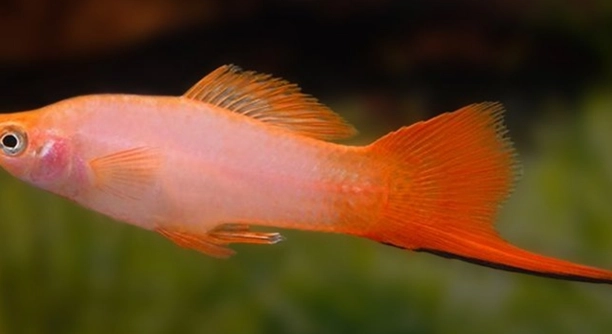
Swordtails are a popular fish in home aquariums, known for their vibrant colors and active nature. If you’re looking to enhance their living space, the right decorations can make a big difference in their well-being and happiness.
Swordtails enjoy decorations that mimic their natural environment, offering hiding spots, plants, and swimming spaces. Simple elements like soft plants, rocks, and gentle structures provide comfort, reduce stress, and encourage natural behaviors.
Choosing the right decorations for your swordtails’ tank not only makes the environment beautiful but also helps keep them healthy. From plants to caves, there are several simple and effective ways to improve their habitat.
Soft Plants for Comfort and Security
Adding soft plants to your swordtail aquarium creates a more natural, soothing environment. These plants help replicate their natural habitat, offering shelter and hiding spots. Swordtails can often be seen swimming around or resting among the leaves. Live plants like Java Moss, Anubias, or Hornwort are great choices. They provide shade, oxygen, and a place for swordtails to feel safe and secure.
Placing plants strategically helps avoid overcrowding, allowing the swordtails to move freely. Their roots also provide additional cover and structure, which supports both the fish’s physical and mental health.
Another benefit of live plants is that they help maintain water quality by absorbing excess nutrients. This balance is key in preventing issues like algae growth. When selecting plants, ensure they are safe for fish and easy to maintain, as swordtails thrive in stable environments. Adding soft plants enhances the tank and supports your swordtails’ overall health and comfort.
Rocks and Caves for Hiding
Rocks and caves are another simple way to improve the swordtails’ tank. These provide shelter and areas for your fish to explore, keeping them active.
Swordtails, being active and curious fish, enjoy exploring their surroundings. Incorporating rocks or small caves allows them to find spots where they can hide when feeling stressed or need some rest. These structures create a more interesting environment and can also help in reducing territorial behavior. Keep the rocks smooth, ensuring no sharp edges that could injure the fish.
Driftwood for Natural Appeal
Driftwood adds both beauty and function to your swordtail tank. It mimics the natural environment and provides a space for your fish to hide and rest. Swordtails enjoy the shade it offers, and it can make the aquarium feel more organic.
Driftwood also benefits the water chemistry by slightly lowering the pH, making the water more acidic. This is helpful for swordtails, which thrive in slightly acidic conditions. Over time, the wood may release tannins, creating a soft tea-like color in the water, which many aquarists appreciate for its aesthetic value.
Ensure the driftwood is properly prepared before adding it to your tank. Boiling or soaking it for a few days will help remove excess tannins and prevent unwanted floating. Once settled, driftwood becomes an essential part of your swordtail’s habitat.
Substrate for Swordtail Health
The right substrate can improve both the look and health of your swordtail’s tank. A fine, smooth substrate allows them to move comfortably, as they enjoy foraging at the bottom of the tank. Gravel or sand are commonly used options.
Gravel provides a good foundation for plants, while sand allows fish to sift through it more easily, mimicking their natural behavior. When choosing a substrate, it’s important to ensure it’s easy to clean to maintain water quality. Dirty substrate can lead to poor water conditions that may stress the swordtails.
Adding live plants in the substrate helps create a more balanced environment, as the roots take up nutrients from the water. A mix of both sand and gravel can offer a visually pleasing look while providing functional benefits to your swordtails’ tank.
Floating Plants for Shade and Shelter
Floating plants provide swordtails with the perfect cover and shade. They drift on the surface, creating shaded areas that swordtails enjoy. These plants give them a break from the light and offer a peaceful place to rest.
These plants also help in water filtration. By absorbing excess nutrients, they can reduce algae growth, keeping the water clearer and healthier for your fish. You can choose from various floating plants like Duckweed or Water Lettuce, which grow quickly and don’t require much care.
Aquascaping with Decorative Elements
Aquascaping is the art of arranging decorations in an aquarium, and it can significantly enhance the beauty of your swordtail’s tank. This includes using a variety of plants, rocks, driftwood, and other items to create a natural-looking environment. Carefully placing these elements creates an inviting space where swordtails can thrive.
By adding plants, caves, and other decorative items, you make the tank visually appealing while ensuring that your fish have a safe, comfortable space to swim and explore. Swordtails will appreciate having different spaces to hide, rest, and forage. Keep the layout simple yet functional for their health.
Lighting for a Balanced Environment
Swordtails need balanced lighting for both their well-being and the overall health of the tank. Too much light can stress them out, while too little can harm live plants. Aim for a lighting schedule that mimics the natural day-night cycle, with about 8 to 10 hours of light per day.
FAQ
What type of plants do swordtails prefer?
Swordtails enjoy a variety of plants, particularly those that mimic their natural environment. Live plants like Java Moss, Anubias, and Hornwort are good options. These plants offer both hiding spots and areas for swordtails to swim through. Swordtails are often seen resting among plants, which provides them with a sense of security. The right plants can also help maintain water quality by absorbing excess nutrients, which benefits both the fish and the tank’s ecosystem.
Can swordtails live with other fish?
Yes, swordtails are peaceful and generally get along well with other community fish. They are not aggressive but may show some territorial behavior, especially when they feel crowded. It’s best to pair swordtails with other peaceful fish that enjoy similar water conditions, such as tetras or guppies. Avoid placing them with overly aggressive or fin-nipping species, as this could cause stress. Always consider the size of your tank and the number of fish to prevent overcrowding, which can lead to stress and poor water quality.
How often should I clean my swordtail’s tank?
Regular tank maintenance is essential for keeping your swordtails healthy. Perform partial water changes of about 25% every two weeks to ensure the water remains clean. You should also vacuum the substrate to remove any uneaten food or waste. The plants and decorations in the tank should be gently cleaned to prevent algae buildup. A more thorough cleaning, including rinsing filters and decorations, can be done once a month. Always check water parameters like temperature, pH, and hardness, as swordtails thrive in stable environments.
What is the ideal tank size for swordtails?
A 20-gallon tank is a good size for a small group of swordtails. This gives them enough space to swim and explore without feeling cramped. If you plan to keep more swordtails or add other fish, consider upgrading to a larger tank. Swordtails can become stressed in tanks that are too small, and overcrowding can lead to poor water quality. In a 20-gallon tank, you can comfortably house 4-6 swordtails, as long as you also have plants and decorations to create hiding spots and territories.
Do swordtails need a filter in their tank?
Yes, a filter is essential for maintaining water quality in your swordtail tank. A filter helps to remove waste, debris, and excess nutrients, preventing harmful ammonia buildup. Swordtails thrive in clean, well-oxygenated water, and a filter ensures that the water remains stable. It’s important to choose a filter with the appropriate flow rate for your tank size. Too strong of a current may stress your swordtails, so opt for a gentle filter that maintains water cleanliness without disrupting their comfort.
What should I feed my swordtails?
Swordtails are omnivores and will happily eat a variety of foods. A well-balanced diet for swordtails includes high-quality flake or pellet food, supplemented with live or frozen foods like brine shrimp, daphnia, and bloodworms. You can also offer occasional vegetable matter, such as blanched spinach or zucchini. Be careful not to overfeed, as excess food can pollute the water. Feed them small amounts twice a day, and remove any uneaten food after a few minutes to keep the tank clean.
How do I tell if my swordtail is healthy?
Healthy swordtails are active swimmers with bright colors and clear eyes. They should be eating well, displaying normal behaviors, and not showing signs of distress or disease. Look for signs of illness such as lethargy, faded colors, clamped fins, or a lack of appetite. If you notice any of these symptoms, it may be a sign of stress, poor water conditions, or illness. Regular water testing and tank maintenance help keep swordtails in optimal health. If symptoms persist, consult with a vet or aquarium specialist.
Can swordtails breed in a home aquarium?
Yes, swordtails can breed in a home aquarium under the right conditions. They are livebearers, meaning they give birth to live young instead of laying eggs. To encourage breeding, provide plenty of plants and hiding spots where the female can feel safe. Swordtail males are usually more colorful and will display their fins to attract females. If you don’t want baby swordtails, you can separate the males and females or add a breeding trap to protect the fry from being eaten by adult fish.
How do I care for baby swordtails?
Baby swordtails, also known as fry, are relatively easy to care for. Once born, they can swim and eat immediately. Offer them finely crushed flake food or specialized fry food. Baby swordtails are very small and vulnerable, so it’s important to provide plenty of hiding spots to keep them safe from adult fish. If you’re not separating the fry, ensure that the parents are well-fed and that the tank is maintained properly. Over time, the fry will grow and become more independent.
Why is my swordtail’s tail curled or damaged?
A curled or damaged tail in a swordtail may be a sign of stress, injury, or illness. Stress can result from poor water quality, overcrowding, or aggression from other fish. Injuries can occur if the tank has sharp decorations or if the fish are fighting. Tail rot, a bacterial infection, can also cause tail deterioration. If you notice this issue, check the water parameters and ensure the tank is free from sharp objects. If the condition worsens, it’s best to quarantine the affected fish and consult an aquarium specialist.
Final Thoughts
Creating a healthy and enjoyable environment for swordtails doesn’t have to be complicated. With the right decorations and a balanced tank setup, your swordtails will thrive. They are active and curious fish, so providing them with plants, rocks, and hiding spots encourages natural behaviors and keeps them happy. Swordtails enjoy a bit of shade and shelter, so elements like soft plants or driftwood can make them feel more at home. Keeping their habitat simple but functional is key to their well-being.
In addition to decoration, maintaining good water quality is essential. Swordtails are sensitive to changes in water conditions, so regular cleaning and water changes are a must. Make sure to monitor the water’s temperature, pH, and hardness, as these factors can impact the health of your fish. A reliable filtration system will also help keep the water clean and reduce the buildup of harmful toxins. The more stable the environment, the happier your swordtails will be. It’s important to remember that swordtails thrive best in tanks that are properly maintained and free of stressors.
Swordtails are relatively easy to care for, but they do require attention to their environment and diet. By offering them the right mix of plants, decorations, and water conditions, you’ll create a comfortable home for them. Regular feeding with high-quality foods and keeping an eye on their health will go a long way. With a bit of effort, your swordtails will be active, colorful, and healthy, providing you with endless enjoyment as they swim around in their well-equipped tank. The key is to maintain consistency and make adjustments as needed to ensure they stay comfortable and happy in their home.

Hello,
If you enjoy the content that we create, please consider saying a "Thank You!" by leaving a tip.
Every little bit helps us continue crafting quality advice that supports the health, happiness, and well-being of pets around the world, for pets of all shapes, sizes, and species.
We really appreciate the kindness and support that you show us!