
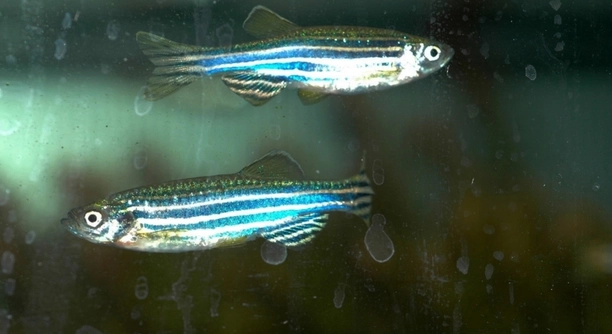
Are your zebra danios acting strange or not swimming like they usually do? Subtle changes in behavior can signal early tank issues. Paying attention to these signs can help keep your fish healthy and stress-free.
Zebra danios may show signs of trouble through clamped fins, erratic swimming, color changes, or loss of appetite. These symptoms often point to water quality problems, overcrowding, or illness, requiring timely intervention to prevent worsening conditions.
Recognizing the early warning signs helps protect your fish and maintain a safe, stable tank environment for your zebra danios.
Clamped Fins and Sluggish Movement
Zebra danios are typically fast swimmers that stay active throughout the day. When you notice them keeping their fins tight to their bodies or swimming more slowly than usual, it’s a clear sign that something might be wrong. Clamped fins often signal stress, which can stem from poor water conditions, sudden temperature changes, or bullying by tank mates. If your danios are not darting around like they usually do, check your tank’s temperature, pH, and ammonia levels. Keep an eye on interactions with other fish to rule out aggression. Providing enough space and hiding areas can also reduce stress levels. Maintaining consistent water quality is key to helping your danios stay active and vibrant.
If a zebra danio is acting lethargic and its fins look pinched or tight, it’s a sign it isn’t feeling well. This behavior should not be ignored, especially if multiple fish are showing the same symptoms.
Regular monitoring and gentle tank maintenance help keep your zebra danios from becoming sluggish. Make sure your filtration system works properly, and avoid making sudden changes to the tank’s environment. Addressing clamped fins early often prevents more serious health issues later. If the fish do not improve, consider isolating the affected danio in a clean, quiet space and observing it closely.
Erratic Swimming and Surface Gasping
Erratic swimming or gasping at the surface usually means your zebra danios are uncomfortable and trying to cope with low oxygen levels.
Poor aeration or high ammonia levels are often to blame when danios swim in sudden jerky movements or stay near the water’s surface for too long. When oxygen is lacking, fish become disoriented, swim aimlessly, or dart around. This behavior is especially noticeable after a water change or if the tank is overcrowded. Make sure your tank has proper water circulation. An air stone or sponge filter can improve oxygen exchange. Avoid overfeeding, as uneaten food breaks down and harms water quality. Test for ammonia, nitrites, and nitrates regularly. Even small changes can stress fish. If your danios gasp at the surface, act quickly. Increase water movement and perform a partial water change. Keep your tank lightly stocked and check that your filter is clean and efficient. Prevention is easier than recovery.
Loss of Appetite and Isolation
When zebra danios stop eating or separate themselves from the group, it’s often a sign of discomfort or illness. Healthy danios are social and eager during feeding time, so a sudden change in behavior should be taken seriously.
Loss of appetite can be caused by poor water quality, an internal infection, or stress from aggressive tank mates. If food is left uneaten, remove it to avoid ammonia buildup. Monitor your fish for other symptoms like bloating, discoloration, or abnormal swimming. Isolation from the group is also a warning sign, as zebra danios are naturally active and social. When a fish hides or stays near the bottom, it may be unwell. Consider placing the affected fish in a separate tank for observation. Feed high-quality food in small amounts to reduce waste and monitor for improvements. Prompt care can help the fish recover before the issue worsens.
Sometimes, danios may show disinterest in food because of environmental changes or overfeeding. Even small shifts in temperature or lighting can throw off their normal behavior. Make adjustments gradually to avoid additional stress. Feeding the same food daily can also lead to boredom. Rotate their diet with flakes, frozen, or live food to encourage interest. Stay consistent with feeding times to maintain routine.
Discoloration and Pale Stripes
A zebra danio losing its vibrant stripes or looking dull may be stressed or sick. This can result from fluctuating water parameters, poor diet, or overcrowding. Color changes often appear gradually, so early detection helps prevent more serious issues.
Stress-related discoloration can also happen during aggressive interactions or sudden environmental changes. A pale appearance in the morning might be normal, but if it continues throughout the day, it’s worth checking the tank conditions. Feeding nutritious food and maintaining stable parameters support healthy coloration.
Scraping Against Objects
Scratching or rubbing the body against rocks, decor, or substrate usually indicates skin irritation or external parasites. Ich and gill flukes are common causes and can spread quickly if untreated. Early signs include white spots, rapid gill movement, or twitchy swimming. Quarantine and treat affected fish with care.
Floating or Sinking Issues
If a danio floats near the surface or struggles to stay upright, swim bladder problems might be the cause. Overfeeding and constipation are often behind this, but bacterial infections can also affect buoyancy. Feeding a cooked, skinned pea can sometimes help if the issue is digestive.
FAQ
Why are my zebra danios chasing each other constantly?
Zebra danios are naturally active and may chase each other as part of their social behavior, especially when establishing a pecking order. However, constant or aggressive chasing can indicate overcrowding or imbalanced male-to-female ratios. Aim for a spacious tank and a mix of both sexes to reduce stress. If one fish appears to be targeted more than others, monitor closely for signs of injury or illness. Adding more plants or hiding spots can also help break line-of-sight and reduce tension. Chasing that doesn’t cause damage is usually normal, but watch for any worsening behavior.
What temperature is best for zebra danios?
Zebra danios do well in water temperatures between 70°F and 78°F. Staying within this range helps keep their immune system strong and supports their high activity level. Water that is too cold can slow their metabolism and lead to illness. On the other hand, temperatures that are too high can reduce oxygen levels and increase stress. Use a reliable aquarium heater and thermometer to maintain consistency. Avoid placing the tank near windows, heaters, or vents that could cause rapid temperature changes throughout the day.
How many zebra danios should be kept together?
Zebra danios are schooling fish and should always be kept in groups of at least six. Keeping them in smaller numbers can lead to stress, territorial behavior, and erratic swimming. A group allows them to display natural behaviors and feel secure. A larger group can also help spread out any aggression and reduce bullying. Make sure your tank is large enough to give them room to swim freely, with a minimum of 10 gallons for a small group and more for larger numbers. Grouping helps maintain their health and social balance.
What should I feed my zebra danios for good health?
A balanced diet for zebra danios includes high-quality flakes, small pellets, and occasional frozen or live foods like brine shrimp or daphnia. Rotate their meals to keep them interested and ensure they get all necessary nutrients. Feed small amounts twice a day, giving only what they can finish in a few minutes. Overfeeding leads to water quality issues and can cause digestive problems. Avoid feeding only one type of food daily. A varied diet supports their immune system, helps maintain vibrant color, and encourages natural activity levels.
Why is one of my zebra danios hiding all the time?
Hiding is unusual behavior for zebra danios, which are typically outgoing and active. If a danio is spending most of its time hiding, it may be sick, injured, or being bullied by other fish. Check for signs of illness like clamped fins, discoloration, or labored breathing. Make sure the water parameters are stable and there is enough space in the tank. Adding more plants or decorations can help a stressed fish feel more secure. If bullying continues, you might need to rearrange the tank or isolate the injured fish temporarily.
Can zebra danios live with other fish?
Yes, zebra danios are generally peaceful and do well in community tanks with other non-aggressive species. Good tank mates include tetras, guppies, corydoras, and small rasboras. Avoid pairing them with long-finned or slow-moving fish like bettas, as danios may nip at fins. Also, ensure tank mates are comfortable in the same temperature range and water conditions. Keep an eye on group behavior when adding new fish. Proper planning helps prevent stress or territorial issues in a mixed-species setup. Always research compatibility before introducing new tank mates.
Final Thoughts
Caring for zebra danios involves more than just feeding them and keeping their tank clean. These active fish are sensitive to changes in their environment, and even small issues can affect their health. Watching for early signs like faded colors, unusual swimming, or sudden hiding can help you catch problems before they get worse. Making small adjustments—like checking your water temperature, keeping the tank well-aerated, or spacing out feedings—can go a long way in keeping your fish healthy and active.
It’s also important to give zebra danios the social environment they need. Since they are schooling fish, they rely on being in a group to feel safe and act normally. Keeping too few of them can lead to stress, which often shows up in the form of aggression, illness, or abnormal behavior. A proper group size, along with enough swimming space and a balanced diet, supports their overall well-being. Watching them interact and swim together is also one of the most enjoyable parts of keeping them.
By staying consistent with care and observing your fish daily, you can prevent many common problems before they start. Simple habits like testing the water weekly, doing partial water changes, and providing a variety of foods will make a big difference. If something seems off, addressing it early is always better than waiting. Zebra danios are hardy fish, but they still need thoughtful care to thrive. With a little attention and routine, you’ll keep their tank running smoothly and their behavior healthy.

Hello,
If you enjoy the content that we create, please consider saying a "Thank You!" by leaving a tip.
Every little bit helps us continue crafting quality advice that supports the health, happiness, and well-being of pets around the world, for pets of all shapes, sizes, and species.
We really appreciate the kindness and support that you show us!