
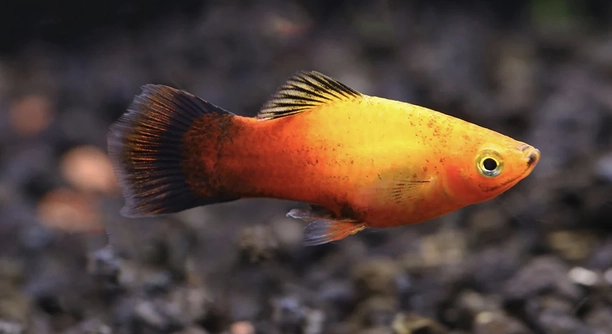
Many people enjoy keeping platies as colorful and peaceful aquarium fish. However, poor water quality can quickly affect their health and happiness. Recognizing early signs helps prevent serious problems before they arise.
Poor water conditions for platies often cause stress, illness, and even death. Early signs include changes in behavior, dull colors, and abnormal swimming patterns. Detecting these symptoms promptly allows for timely water testing and treatment to improve tank health.
Knowing these signs can protect your platies from long-term harm and keep your aquarium thriving with vibrant life.
Changes in Behavior
When water quality is poor, platies often act differently. They may become less active, hiding more than usual or swimming erratically. You might notice them gasping at the water’s surface, which is a sign of low oxygen. Sometimes, platies lose their appetite and stop eating altogether. These changes usually happen slowly, so it’s important to watch your fish daily. Sudden shifts in behavior often mean the water has harmful levels of toxins like ammonia or nitrites. If you catch these signs early, you can take steps to improve water conditions and avoid serious illness. Regular water testing is a good habit to keep your platies healthy.
Behavioral changes are often the first sign that water quality is declining. They signal the need for immediate water testing and treatment.
Watching for unusual activity or hiding can save your platies from stress and disease. Acting fast is key to preventing permanent damage.
Dull or Faded Colors
Platies are known for their bright, lively colors, so a dull or faded appearance can be a clear sign of trouble. Poor water quality reduces their ability to maintain vibrant scales. When toxins build up, their immune system weakens, and colors fade. This is a slow process, but it becomes noticeable if you compare your fish regularly. Besides chemicals, poor nutrition caused by water issues can also dull their colors. Keeping water clean and balanced helps platies show their best hues. Regular partial water changes and proper filtration are important to prevent this problem. If colors start to fade, check water parameters immediately and improve tank conditions.
A loss of color in platies points to stress caused by harmful water conditions.
This symptom, combined with others like behavior changes, suggests urgent action is needed.
Maintaining clean, stable water helps platies keep their bright, attractive appearance over time.
Abnormal Swimming Patterns
Platies affected by poor water quality often swim strangely. They may dart suddenly, float sideways, or struggle to stay upright. These behaviors indicate stress or health issues caused by toxic water conditions.
Erratic swimming is usually caused by high levels of ammonia, nitrites, or low oxygen in the tank. These chemicals irritate the fish’s gills and nervous system, making it hard to swim normally. Sometimes platies might cling to tank decorations or the surface, trying to escape discomfort. This behavior can lead to exhaustion and make them more vulnerable to disease. Regular water testing and changes can help stop these problems before they worsen.
It’s important to observe your platies closely for any unusual swimming. Early intervention can restore their comfort and reduce the risk of long-term damage.
Increased Disease and Illness
Poor water quality weakens platies’ immune systems, making them more prone to infections. Bacterial, fungal, and parasitic diseases spread quickly in unhealthy tanks. Signs include white spots, fuzzy patches, or red sores on their bodies.
When water conditions decline, the stress on fish lowers their natural defenses. Harmful bacteria and parasites multiply faster, causing outbreaks. Infected platies may stop eating, become lethargic, or isolate themselves. These symptoms require immediate treatment along with water improvements to prevent further loss. Keeping water clean and stable is the best way to reduce disease risks. Maintaining proper filtration, performing regular water changes, and avoiding overcrowding can protect your platies from common illnesses.
Preventing poor water conditions is easier than curing disease, so focus on tank maintenance to keep your fish healthy and strong.
Gasping at the Surface
Platies gasping at the water surface often signal low oxygen levels. This is a common issue in tanks with poor water circulation or overcrowding.
Low oxygen makes it hard for fish to breathe normally. Improving aeration and reducing tank population can help your platies breathe easier and stay healthy.
Cloudy or Murky Water
Cloudy water usually indicates an imbalance in the aquarium’s ecosystem. It can be caused by excess waste, overfeeding, or bacterial blooms. This reduces water quality and stresses your fish. Frequent water changes and proper filtration are needed to clear the water and maintain a healthy environment for platies.
Excessive Algae Growth
Too much algae in your tank often points to poor water conditions, such as excess nutrients or light. This can harm platies by reducing oxygen at night and making the tank look unhealthy. Regular cleaning and controlling feeding help keep algae in check.
FAQ
How often should I test the water for my platies?
Testing your water once a week is a good routine to keep your platies healthy. Frequent checks help catch problems early, especially for ammonia, nitrites, nitrates, and pH levels. If you notice any signs of poor water quality, test more often until the issue is fixed.
What are the ideal water parameters for platies?
Platies thrive in water with a temperature between 72°F and 78°F (22°C to 26°C). The pH should be slightly alkaline, around 7.0 to 8.0. Ammonia and nitrites must always be zero, while nitrates should stay below 20 ppm to avoid stress and health issues.
How can I improve poor water quality quickly?
The fastest way to improve water quality is by performing a partial water change—about 25-30%. This helps remove toxins and refreshes the tank. Also, clean the filter media gently without harsh chemicals and reduce feeding to prevent excess waste.
Why do platies lose their color in bad water?
Poor water quality stresses platies, lowering their immune response and pigment production. Toxins in the water weaken them and dull their vibrant colors. Improving water conditions and feeding quality food helps them regain their natural brightness.
Can overcrowding cause poor water quality?
Yes, overcrowding produces more waste than the tank can handle, leading to toxic buildup. This affects oxygen levels and water clarity, harming platies. Keeping a proper fish-to-water ratio is essential for stable water quality.
Is it normal for platies to hide more when water is poor?
Platies tend to hide when stressed by bad water conditions. Hiding is a defense mechanism to reduce exposure to harmful factors and avoid predators. If your platies are hiding more than usual, check your water quality and tank setup.
What signs mean it’s time for a water change?
Cloudy water, foul odor, increased algae, and unusual fish behavior are clear signs a water change is needed. Regular partial changes prevent these problems and keep your aquarium healthy.
How can I prevent algae from taking over my tank?
Control feeding amounts to reduce nutrient buildup, clean decorations and glass regularly, and avoid direct sunlight on the tank. Using live plants can also compete with algae for nutrients and keep growth in check.
Are water conditioners necessary for platies?
Yes, water conditioners remove chlorine, chloramines, and heavy metals found in tap water. These chemicals are harmful to platies and can cause stress or death. Always treat new water before adding it to the tank.
How does poor water quality affect platies’ lifespan?
Chronic exposure to poor water shortens platies’ lifespan by causing stress, disease, and organ damage. Maintaining good water quality is vital to help them live their full natural life, which is usually around 2 to 3 years in captivity.
What should I do if I see white spots on my platies?
White spots often indicate ich, a common parasitic infection worsened by poor water quality. Isolate infected fish if possible, treat the tank with medication, and improve water conditions. Early action increases chances of recovery.
Can changing water too often harm platies?
Frequent large water changes can stress platies by altering water chemistry suddenly. Small, regular partial water changes are better for maintaining stability while keeping water clean.
How much should I feed my platies to avoid water problems?
Feed small amounts that your platies can eat within 2-3 minutes, once or twice daily. Overfeeding leads to excess waste, polluting the water and promoting algae growth.
Are live plants helpful for maintaining water quality?
Yes, live plants absorb nitrates and provide oxygen, improving water quality. They also create natural hiding spots, reducing stress. However, plants need proper light and care to thrive.
What kind of filter is best for platies?
A filter that provides mechanical, chemical, and biological filtration is best. It should circulate water gently to avoid stressing the fish. Regular maintenance keeps filters efficient and water healthy.
How do temperature changes affect water quality?
Temperature fluctuations can reduce oxygen levels and upset the tank’s balance, stressing platies. Keeping the water temperature stable within the ideal range helps maintain good water quality and fish health.
Maintaining good water quality is essential for the health and happiness of platies. These fish rely on clean, balanced water to thrive and show their bright colors. When water conditions decline, platies can quickly start to show signs of stress and illness. Early detection of poor water quality is key to preventing serious problems. Paying attention to their behavior, color, and swimming patterns helps catch issues before they become severe. Regular testing of water parameters such as ammonia, nitrites, nitrates, and pH provides valuable information to keep the tank safe for your fish.
It’s important to establish a routine that includes regular partial water changes, proper filtration, and careful feeding. Overfeeding and overcrowding can quickly lead to poor water quality, so keeping the tank clean and balanced requires attention to these details. Using water conditioners to treat tap water and monitoring temperature also play a big role in maintaining a stable environment. When problems do arise, acting quickly to improve water quality can save your platies from stress, disease, and even death. Prevention is much easier than curing illness caused by toxic water conditions.
Keeping platies healthy is a rewarding experience. Watching their colors brighten and their behavior return to normal after improving water quality is satisfying. Taking care of the tank environment not only benefits your fish but also makes your aquarium more enjoyable to look at and maintain. By following simple steps to ensure clean water and stable conditions, you give your platies the best chance to live a long and happy life. Consistent care and observation are the foundation of a healthy aquarium that supports your fish’s well-being.

Hello,
If you enjoy the content that we create, please consider saying a "Thank You!" by leaving a tip.
Every little bit helps us continue crafting quality advice that supports the health, happiness, and well-being of pets around the world, for pets of all shapes, sizes, and species.
We really appreciate the kindness and support that you show us!