
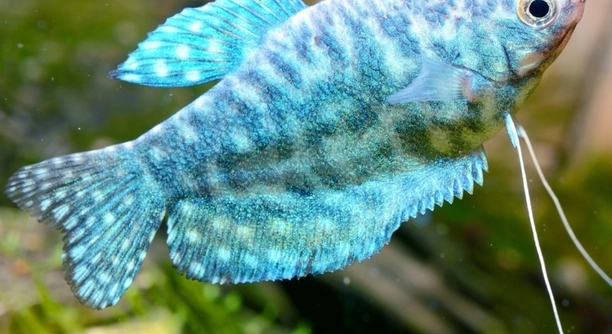
Gouramis are popular freshwater fish, admired for their colors and calm behavior. Many hobbyists keep them, but recognizing when they begin breeding can be challenging. Early signs can help owners prepare for this important phase in their care.
Early signs of gourami breeding include changes in behavior such as increased aggression, bubble nest building, and specific mating displays. Physical changes like color intensification and swelling may also indicate readiness to breed. Recognizing these signs is crucial for successful breeding management.
Identifying these early signs can help ensure proper care and a better breeding outcome for your gouramis. This article outlines key indicators to watch for during this process.
Behavioral Changes in Gouramis
Gouramis show distinct behavioral changes when they begin breeding. Males often become more territorial and aggressive, defending their space more vigorously than usual. You may notice chasing or even nipping at other fish to establish dominance. Bubble nest building is a key indicator, where males create clusters of bubbles on the water surface. This nest serves as a place to protect the eggs after spawning. Males also display unique mating behaviors, such as swimming close to females or flaring their fins to attract attention. These actions can be subtle at first but become more pronounced as breeding approaches. Observing these changes helps identify when gouramis are preparing to breed, allowing timely adjustments to tank conditions and care.
Heightened aggression and nest-building are the most common signs that gouramis are entering their breeding phase.
These behavioral changes serve important roles in reproduction. Aggression helps secure a safe territory for mating, while bubble nests protect the eggs from predators and environmental factors. Male gouramis maintain the nest diligently until the fry hatch. Recognizing these behaviors early enables better tank management, such as isolating the breeding pair or providing adequate hiding spaces for other fish. Adjusting water parameters and ensuring optimal nutrition during this period improves the chances of successful spawning and healthy offspring development. Understanding and responding to these behavioral cues supports a smooth breeding process.
Physical Signs of Breeding Readiness
Physical changes are often visible in gouramis when breeding approaches.
Males typically develop brighter colors, especially on their fins and body. The intensity of these colors signals their readiness to mate. Additionally, males may appear more swollen in the belly area, which indicates the production of sperm. Females might show a rounder belly, signaling eggs developing inside. These signs are usually easier to notice in well-maintained tanks with good lighting. Watching for such changes helps confirm behavioral observations and better predict breeding timing. This knowledge allows timely preparation, such as adjusting tank setups or separating pairs to reduce stress.
Color intensification and body shape changes are reliable physical indicators of breeding readiness in gouramis.
Color changes in males often serve to attract females and ward off competitors. The more vibrant the male, the stronger the indication that he is ready to breed. Females with fuller bellies suggest eggs are maturing, indicating spawning is near. These physical signs often coincide with behavioral changes, offering a comprehensive understanding of the breeding status. Maintaining stable water conditions and a nutritious diet during this phase supports these physical developments. Attention to physical cues allows owners to intervene appropriately, increasing the chances of successful spawning and fry survival. Recognizing these changes enhances care quality throughout the breeding cycle.
Nest-Building Activity
Nest-building is a clear sign that breeding is imminent. Male gouramis gather air bubbles and cover them with saliva, creating a floating nest.
This bubble nest provides a protected area for eggs and newly hatched fry. The male continually adds bubbles and repairs the nest if it breaks apart. Nest-building typically starts when water temperature and conditions are ideal for spawning. Watching for this activity signals the time to prepare the tank environment, such as reducing water flow and ensuring no disturbances. It is important to keep the tank calm so the nest remains intact and the male can focus on guarding it.
Males show intense dedication to the nest, guarding it against intruders and staying close. They may also use nearby plants or floating debris to support the nest structure. Providing gentle water filtration and adding some floating plants can improve nesting success. Proper preparation at this stage helps create a stable environment for the breeding process to proceed smoothly.
Changes in Feeding Patterns
Feeding behavior often changes as gouramis prepare to breed. Males may become more focused on eating, while females can show increased or decreased appetite.
These changes relate to energy demands during breeding preparation. Males need more energy to build nests and defend territory, requiring higher food intake. Females may eat less as their bodies focus on egg development. It is important to provide high-quality food to support these nutritional needs. Offering protein-rich meals and varied diet options helps maintain fish health and supports breeding readiness.
Monitoring feeding patterns offers clues about breeding status. Sudden changes should prompt tank adjustments and care modifications. Maintaining consistent feeding schedules and ensuring clean water during this period helps reduce stress. Proper nutrition at this stage improves reproductive success and overall fish well-being.
Increased Aggression
Male gouramis often become more aggressive as breeding nears. They may chase other fish more frequently.
This behavior helps secure territory and protect the nest from potential threats. It is important to monitor tank dynamics during this time to prevent injuries and stress among fish.
Mating Displays
Males perform specific mating displays to attract females. These include flaring fins and swimming patterns that highlight their colors.
These displays signal readiness to breed and encourage female participation. Observing these behaviors helps identify the optimal time for spawning and necessary tank preparations.
Environmental Changes
Breeding often coincides with subtle environmental shifts, such as changes in water temperature or quality. Gouramis respond to these conditions by initiating breeding behaviors.
Maintaining stable, ideal conditions supports successful spawning. Regular water testing and careful adjustments create an environment conducive to breeding.
Territorial Behavior
Territorial behavior intensifies in breeding males. They defend their chosen area more actively against intruders. This behavior is crucial to protect the nest and offspring from harm or disruption.
What are the ideal water conditions for gourami breeding?
Gouramis breed best in warm water, typically between 78°F and 82°F (25.5°C to 28°C). The water should be soft to moderately hard with a pH near neutral, around 6.5 to 7.5. Stable water quality is essential, so regular testing and partial water changes help maintain proper conditions. Slightly acidic water may encourage breeding but avoid extreme changes. A gentle water flow and clean environment reduce stress and support nest-building activity. Keeping the tank well-planted with floating plants offers shelter and surfaces for bubble nests.
How long does gourami breeding take?
From the first signs of nest-building to fry hatching, the breeding process usually takes about one to two weeks. After spawning, the male guards the eggs within the bubble nest. Eggs typically hatch within 24 to 36 hours. Fry remain in or near the nest for several days before becoming free-swimming. During this time, the male continues to protect them. It is important to minimize disturbances and maintain optimal water conditions to ensure healthy development.
Can gouramis breed in community tanks?
Breeding gouramis in community tanks can be challenging. Males become territorial and aggressive, which may stress other fish. Eggs and fry are vulnerable and may be eaten by tank mates. For best results, separate breeding pairs into a dedicated tank or use breeding boxes to protect eggs and fry. If kept in a community setup, provide plenty of hiding spaces and monitor fish behavior closely. Reducing stress on all fish improves chances of successful breeding.
What should I feed gouramis during breeding?
High-quality, protein-rich foods help prepare gouramis for breeding. Live or frozen foods like brine shrimp, bloodworms, and daphnia are excellent options. These foods provide the nutrients needed for energy, nest-building, and egg production. Feeding small amounts multiple times a day supports health without polluting the water. Once spawning occurs, maintain a balanced diet but reduce feeding if the male becomes overly aggressive or focused on guarding the nest.
How do I care for gourami fry?
Once fry become free-swimming, begin feeding them infusoria or commercially available fry food. These tiny foods meet their initial nutritional needs. After a week or two, introduce finely crushed flakes or baby brine shrimp. Maintain clean water by performing gentle water changes to avoid harming the fry. Provide shelter with plants or breeding mops to protect them from other fish. Fry grow quickly, so careful feeding and tank maintenance are essential for survival.
What are common problems during gourami breeding?
Common issues include males destroying nests due to stress, eggs being eaten by other fish, or poor water quality causing low hatch rates. Aggression can injure fish, especially in small tanks. Maintaining stable water parameters and separating breeding pairs helps prevent these problems. Monitoring fish behavior closely allows early intervention. Providing suitable hiding places and avoiding sudden changes in the tank environment support a successful breeding cycle.
Is it necessary to remove the male after spawning?
In many cases, males protect the nest and fry well and do not harm the female. However, some males become aggressive after spawning, which can stress or injure the female. Observe their behavior carefully. If aggression increases, removing the male to a separate tank may be necessary. This step helps reduce stress and improves the survival chances of both adults and offspring. If the male remains calm, he can continue guarding the nest until fry become free-swimming.
How often should I check the breeding tank?
Regular, but gentle, daily checks are ideal to monitor water quality, fish behavior, and nest condition. Avoid sudden movements or disturbances near the tank to prevent stressing the breeding gouramis. Check temperature and pH levels to ensure they remain stable. Look for signs of aggression or damage to the bubble nest. Frequent observation helps catch potential problems early and allows timely adjustments, improving breeding success.
Can breeding gouramis affect their health?
Breeding can temporarily stress gouramis due to increased activity, aggression, and energy demands. This stress may weaken their immune system if care is not optimal. Proper nutrition, stable water conditions, and minimizing disturbances help reduce negative effects. After breeding, allow fish time to recover with balanced feeding and clean water. Avoid immediate rebreeding to prevent exhaustion and health decline.
What tank size is recommended for breeding gouramis?
A tank size of at least 10 to 20 gallons is recommended for breeding gouramis. This provides enough space for the male to build and guard the bubble nest without excessive stress. It also reduces aggression by giving females room to avoid males if needed. Smaller tanks can lead to increased tension and lower breeding success. Providing plants and floating vegetation improves the environment and supports the breeding process.
Final Thoughts
Breeding gouramis can be a rewarding experience when the right conditions are met. Understanding the early signs of breeding helps prepare the tank and the fish for a successful spawning process. Observing behaviors such as nest-building, changes in feeding patterns, and increased aggression allows timely adjustments to the environment. Maintaining stable water conditions and providing proper nutrition support both the adults and their offspring throughout the breeding cycle. Patience and careful monitoring are essential to reduce stress and promote healthy fish.
It is important to create a suitable space for gouramis during breeding. A well-planted tank with calm water and floating vegetation encourages natural behaviors like bubble nest building. Separating breeding pairs or providing protective areas helps prevent aggression and protects eggs and fry from other fish. Consistent care and attention to details such as water temperature, pH, and filtration make a significant difference in breeding success. Taking small steps to optimize the environment benefits the entire aquarium ecosystem and supports long-term fish health.
Successful gourami breeding requires commitment and observation. While some challenges may arise, understanding the fish’s behavior and needs allows for better care decisions. Monitoring early signs and responding appropriately improves the chances of healthy fry and a balanced tank. Breeding gouramis can enhance appreciation for their natural instincts and life cycle. With steady effort and a calm environment, the process becomes manageable and fulfilling for any hobbyist focused on maintaining thriving aquatic life.

Hello,
If you enjoy the content that we create, please consider saying a "Thank You!" by leaving a tip.
Every little bit helps us continue crafting quality advice that supports the health, happiness, and well-being of pets around the world, for pets of all shapes, sizes, and species.
We really appreciate the kindness and support that you show us!